
Last updated October 31, 2026
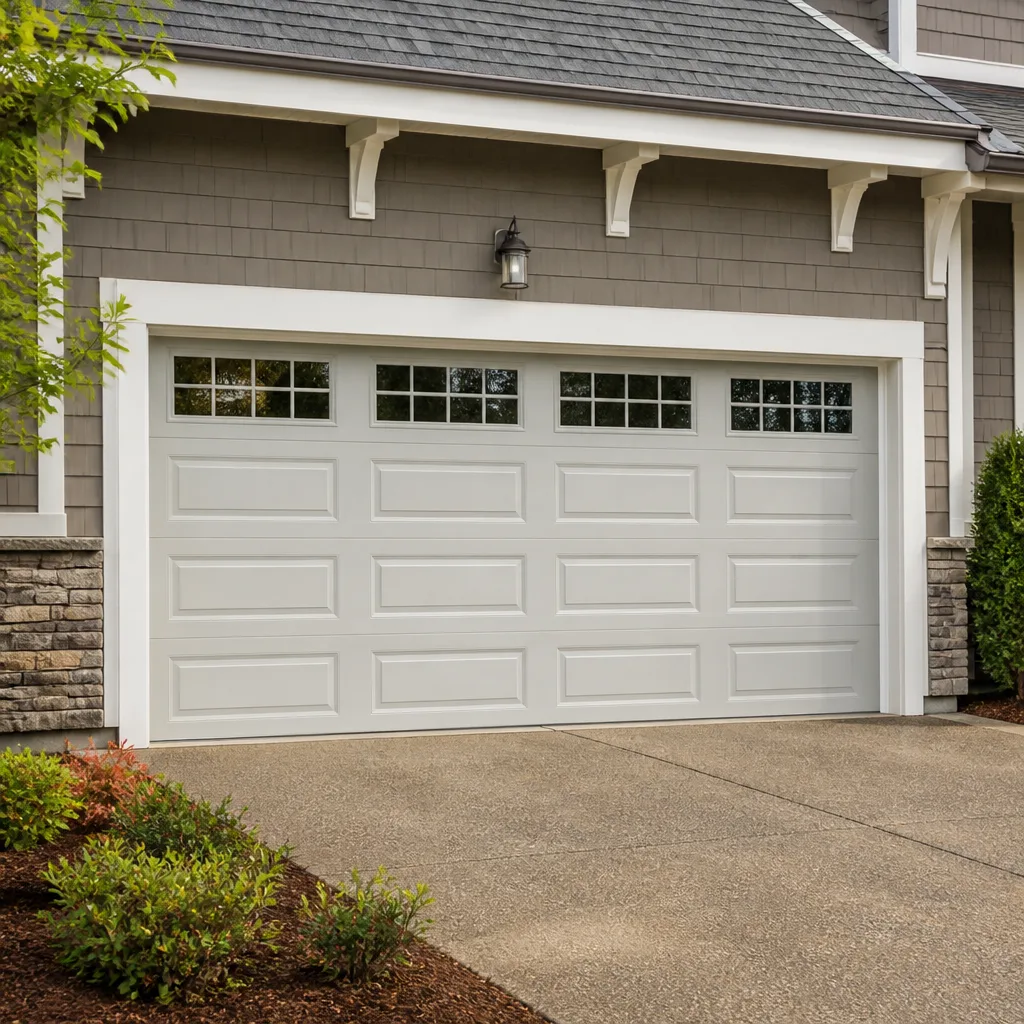 Raised-panel steel
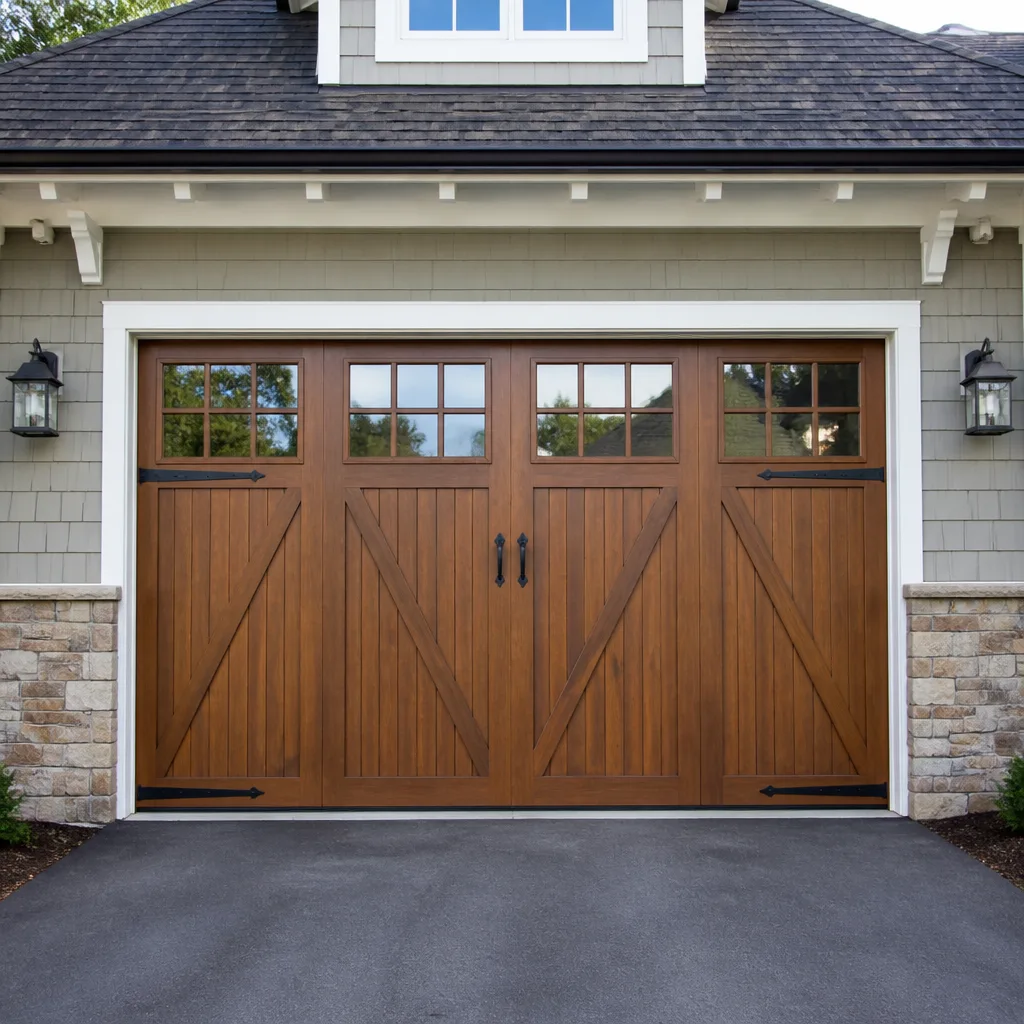 Carriage house
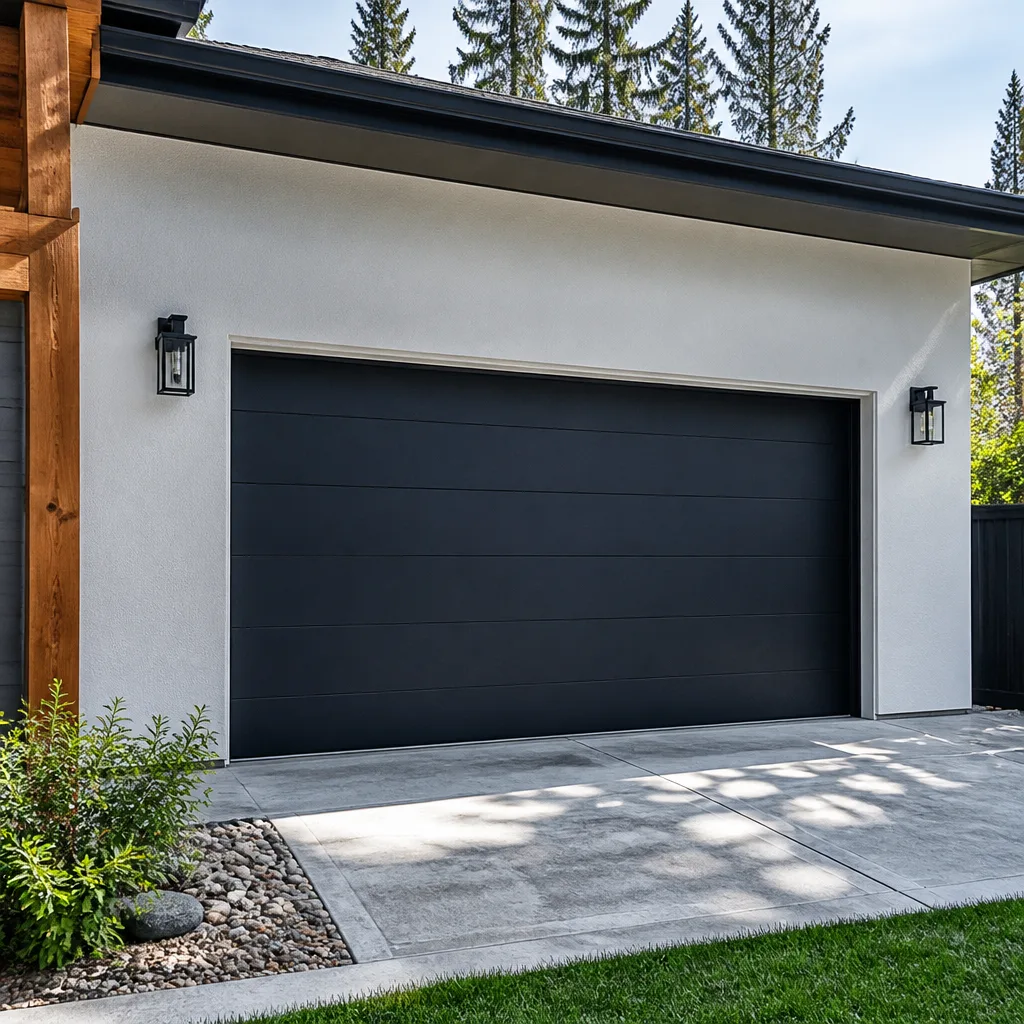 Modern flush
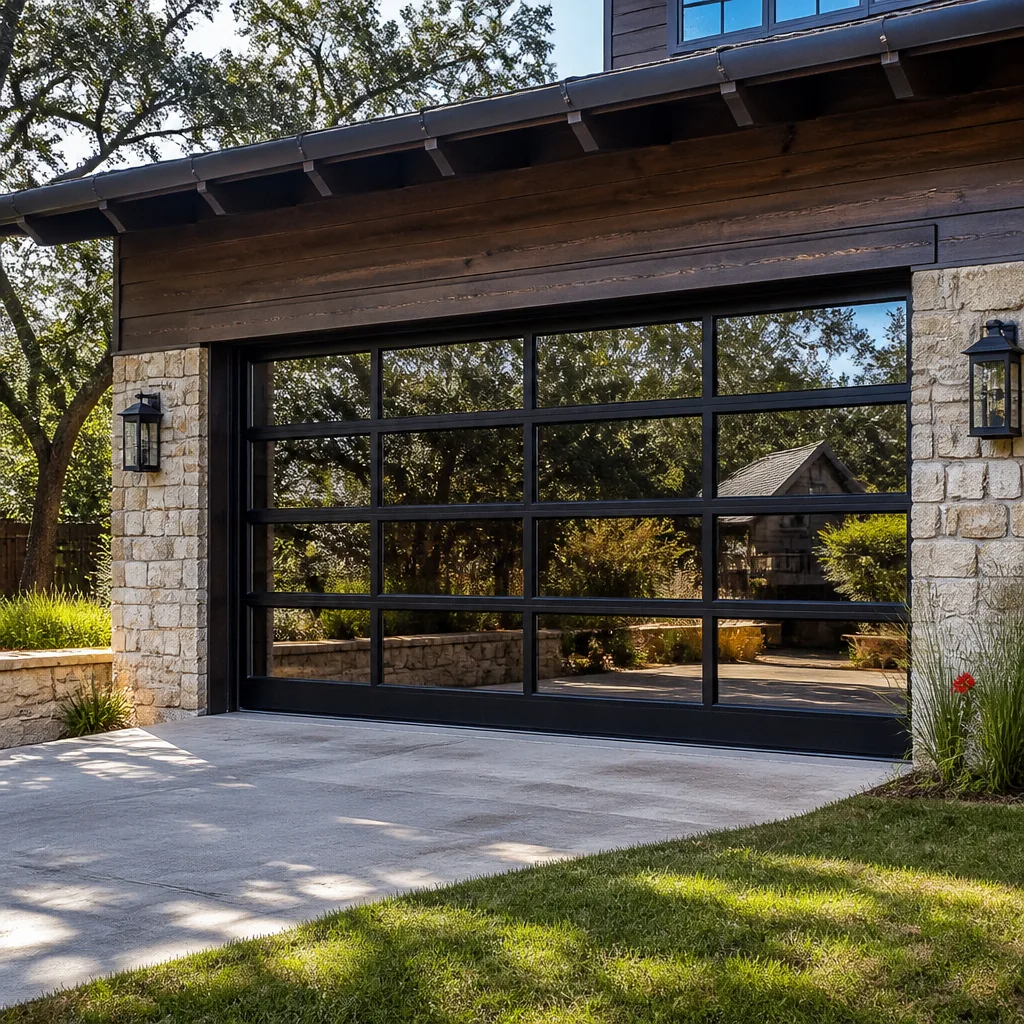 Full-view glass
 LiftMaster openers
 Chamberlain openers
Full 25-point door and opener safety check with every visit - springs, cables, rollers, tracks, and your LiftMaster or Chamberlain opener included
You get a price before we start. It does not change when the truck arrives.
Get your free estimateHow to Hire a Garage Door Contractor in Kissimmee: A Step-by-Step Guide
Florida’s building code doesn’t treat a garage door as a simple home improvement item. It’s a structural component that must withstand hurricane-force wind loads, and installing one without pulling a permit is a code violation. Some contractors in Kissimmee count on homeowners not knowing that. Skipping the permit saves them time and keeps their bid artificially low, and you inherit the liability. This guide walks through exactly how to verify a contractor in Kissimmee, what to ask before signing anything, and how to read a written estimate so you don’t pay for someone else’s shortcuts. For more guides & resources, see our blog.
Styles & brands we work with
Quick Answer
To hire a garage door contractor in Kissimmee, verify their Florida contractor license through the DBPR’s online lookup, confirm they carry liability insurance, ask whether they’ll pull a permit, and get a written estimate that lists specific materials, model numbers, warranty terms, and permit responsibility. The right hire is a licensed specialist who works on the brand of door you actually have, not the lowest bidder or a generalist who added garage doors to their menu. Call (833) 589-8916 for a free estimate from a garage door specialist serving Kissimmee.
Table of Contents
- How to Verify a Florida Contractor License in Under Two Minutes
- The Three Questions That Separate a Specialist from a Generalist
- Why the Lowest Quote Almost Always Has a Hidden Trade-Off
- What a Legitimate Written Estimate Must Include in Florida
- Red Flags Specific to the Kissimmee Market
- The Step-by-Step Hiring Process
- Common Mistakes to Avoid
- When to Call a Professional
- Frequently Asked Questions
- The Bottom Line
How to Verify a Florida Contractor License in Under Two Minutes
Florida requires a contractor license for garage door installation and structural repair work. The Florida Department of Business and Professional Regulation (DBPR) maintains a free online lookup at myfloridalicense.com. You type in the person’s name or business name, and the database shows whether they hold an active license, what category it falls under, and whether any complaints or disciplinary actions are on file.
Here’s the exact process:
- Go to myfloridalicense.com and click “Verify a License.”
- Enter the contractor’s name or the company name exactly as it appears on their business card or estimate.
- Look for the license type. Garage door contractors typically operate under a Certified or Registered Specialty Contractor license, a Building Contractor license, or in some cases a Residential Contractor classification.
- Confirm the license status says “Active.” A “Delinquent,” “Inactive,” or “Revoked” status is an immediate disqualifier.
- Check the license issue date. A license held for multiple years tells you the contractor has maintained continuing education and avoided disqualifying infractions.
If the person you’re considering can’t produce a license number, or the name they gave you doesn’t match anything in the DBPR, end the conversation. Kissimmee sits in Osceola County, where code enforcement does check for permits on garage door replacements. An unlicensed contractor exposes you to fines and to a repair that may not meet wind-load requirements. Our technicians work under proper Florida licensing, and we’re happy to provide our license information before you commit to anything.
Insurance matters just as much. Ask for a certificate of insurance listing general liability coverage. A garage door can weigh 150 to 400 pounds depending on size and material, and a torsion spring under tension carries enough force to cause serious injury if mishandled. You want proof that the contractor’s policy covers property damage and worker injury on your property.
The Three Questions That Separate a Specialist from a Generalist
Plenty of handymen in Kissimmee will tell you they can fix a garage door. Some can. Many cannot, and the difference shows up in the questions they can answer. A handyman who splits his week between kitchen faucets, ceiling fans, and the occasional garage door will rarely know the torque requirements for a Raynor torsion spring or how a Chamberlain opener’s travel limits interact with the door’s balance point. A specialist answers these without hesitating because it’s all they work on.
Before you book anyone, ask these three questions and listen closely to the answers:
1. What brands are you certified or trained to work on?
A genuine specialist can name the brands they service without pausing. They know that a Clopay door uses different hinge gauges than an Amarr model, and that a Genie opener’s circuit logic differs from a LiftMaster. A generalist will say something vague like “all of them” or “doors are doors.” The difference matters during diagnosis. We train on eight major brands: LiftMaster, Chamberlain, Genie, Clopay, Amarr, Wayne Dalton, Craftsman, and Raynor. The goal is simple: we service the brand you have, not the brand a franchise happens to stock.
2. What spring systems have you worked on recently?
Garage doors use either torsion springs (mounted above the door on a shaft) or extension springs (stretched along the horizontal tracks). They require different tools, different safety procedures, and different repair techniques. A contractor who hesitates on this question or can’t describe the difference in plain language has not done many spring replacements. Torsion springs hold enormous tension. If a spring fails on a door in Kissimmee, it’s usually because the steel has fatigued from thousands of open cycles in Florida humidity and heat. A specialist who asks what type of spring you have, or wants to inspect it before quoting, is the one who understands the work, as explained in The Complete Garage Door Repair Guide for Kissimmee Homeowners.
3. Do you pull permits for garage door work, and can you walk me through the last one you pulled?
This question is the fastest filter in Florida. A licensed contractor who pulls permits will answer yes without a pause and can describe the process. Someone who does work without permits will deflect, say “you don’t really need one for this,” or change the subject. In Kissimmee and the wider Osceola County area, a garage door replacement that alters the opening’s structural frame or changes wind-load ratings triggers permit requirements. A contractor who tells you otherwise is either uninformed or hoping you won’t check. In our experience, permit pull history is one of the best predictors of whether a contractor stands behind their work long-term.
Why the Lowest Quote Almost Always Has a Hidden Trade-Off
We see this pattern regularly in Kissimmee: a homeowner gets three quotes, one comes in 40% below the others, and that’s the one they pick. Six months later the door binds, the opener strains, or a spring snaps, and the original contractor’s phone goes to voicemail. The lowest quote is rarely an act of generosity. It’s a reflection of what the contractor plans to omit.
Here’s what almost always gets cut to hit that low number:
- Spring grade. Garage door springs come in different cycle ratings. A 10,000-cycle spring costs less than a 25,000-cycle spring. The cheaper spring lasts about three to five years under normal Kissimmee usage. The higher-cycle spring can last eight to twelve. If the estimate doesn’t specify spring cycle rating, assume you’re being quoted the cheap one.
- Reused hardware. A low quote often means the contractor plans to reuse your existing hinges, rollers, and brackets rather than replacing worn components. Reusing a worn roller against a new panel shortens the panel’s life. This is one of the most common shortcuts we correct on follow-up calls.
- Skipped permit. Permits cost money and take time. A contractor who skips them saves both and passes none of that savings to you. The job gets done faster, but if a future insurance claim or home inspection reveals unpermitted work, you’re the one holding the problem.
- No disposal or haul-away included. The old door, tracks, and springs have to go somewhere. Some low quotes leave disposal as an “add-on” that appears after the job starts. Get it written into the scope or expect an invoice increase later.
- Subcontracted labor. The quote may be low because the person who gave it won’t actually do the work. They’ll broker it to a subcontractor they found on short notice, and you won’t know who’s at your house until they show up.
The way to spot these trade-offs is to insist on line-item detail. If a quote says “garage door replacement – $1,200” and nothing else, ask what that includes. A legitimate contractor will itemize the door model, spring type and cycle rating, hardware, labor, permit costs, and disposal. A contractor who can’t or won’t itemize is hiding something in that number. We quote everything upfront, in writing, with the price agreed before any work starts. No add-ons after the fact.
What a Legitimate Written Estimate Must Include in Florida
A handshake and a verbal number are not an estimate. In Florida, a professional contractor provides a written document that spells out the entire scope of work before any money changes hands. If the person you’re talking to won’t put it in writing, walk away. Here’s what the document should contain, line by line:
- Contractor’s legal business name and license number. Match the license number to the DBPR database. If it’s missing or doesn’t match, stop there.
- Scope of work in plain language. “Replace one 16×7 steel garage door, tracks, springs, hinges, and rollers. Remove and haul away existing door.” Vague language like “fix garage door as needed” gives the contractor latitude to do less than you expect.
- Materials with model numbers. The door model, the spring model or cycle rating, the opener model if applicable, and the gauge of steel or spec of material. Model numbers protect you from a contractor who quotes a premium door and installs a builder-grade equivalent.
- Warranty terms. What’s covered, for how long, and by whom. Distinguish between the manufacturer’s warranty on parts and the contractor’s workmanship warranty on installation. Both should appear in writing.
- Permit responsibility. The estimate should state explicitly whether the contractor will pull the permit and whether the permit fee is included in the quoted price. If the estimate is silent on permits, ask before signing.
- Payment schedule and total. The exact total price, any deposit terms, and when payment is due. Be cautious of any contractor demanding full payment upfront. Standard practice is a deposit with payment due upon completion.
- Start date and estimated completion. A range is fine for larger installations, but it should be stated.
Every one of these items matters. A written estimate is your only leverage if the work goes sideways. Kissimmee homeowners who skip this step have almost no recourse when a contractor does poor work or abandons the job midway. Get it in writing, check it against this list, and only sign when all seven items are present and clear.
Red Flags Specific to the Kissimmee Market
Every market has its own patterns, and Kissimmee has a few worth watching for. Tourism is the city’s economic engine, and it creates a steady stream of absentee owners with rental properties and vacation homes. Those properties need garage door work, and certain contractors have learned to work that niche in ways that don’t serve homeowners well.
Out-of-area numbers with local overlays. Florida’s 407 and 321 area codes cover Kissimmee, but the rise of mobile phones and number portability means an area code tells you nothing about location. A contractor who answers a Kissimmee call from a Miami or Jacksonville address is still a real contractor, but a contractor who uses a local number to hide an out-of-area operation is a pattern worth checking. Ask for the physical business address. If they can’t provide one, or if it resolves to a mailbox store, that’s a flag.
No physical business address anywhere on the estimate or business card. Legitimate contractors have a location where you can find them after the job is done. If the only contact information is a phone number and an email address, you’re dealing with someone who doesn’t want to be found. That matters when you’re dealing with a 200-pound door that could fail months after installation.
Quotes given over the phone without an in-person inspection. No competent contractor quotes a garage door replacement without seeing the opening, checking the existing frame, measuring the headroom and side room, and reviewing the existing track configuration. A phone quote for a garage door job is either a guess or a teaser rate that will be revised upward once they see the site. Both are red flags.
Pressure to pay in cash or via a personal payment app. Cash-only contractors are often unlicensed and uninsured, and cash leaves no paper trail. A legitimate business accepts normal payment methods and provides a receipt.
Rental property opportunism. If you own a rental or vacation home in Kissimmee, be especially careful. Contractors who know the owner is out of town sometimes quote high and do minimal work because no one is watching. We recommend a written report with photos of completed work for any remote-managed property, whether you use us or someone else.
The Step-by-Step Hiring Process
You don’t need to be a garage door expert to hire one well. You need a process, which is what this section gives you. Follow these steps in order and you’ll filter out most of the bad actors before they ever step foot in your garage.
- Collect three names. Ask neighbors in your Kissimmee community, check local business listings, and avoid lead-generation platforms that sell your information to multiple contractors. You want three solid candidates, not ten random ones.
- Verify licenses for all three. Run each name through the DBPR lookup before you call them. This takes about six minutes total and eliminates anyone who can’t legally do the work.
- Call and ask the three specialist questions. Brand training, spring experience, permit history. Listen to how they answer. You’re listening for hesitation, vagueness, or deflection.
- Schedule in-person assessments with the two best candidates. Skip anyone who offers a firm quote over the phone. You need an inspection of the door, tracks, springs, opener, and frame before a real number exists.
- Get written estimates and compare line items. Put the two estimates side by side. The door model may be the same, but check the spring cycle rating, hardware, warranty terms, and permit inclusion. A $200 difference is often explained by spring grade alone.
- Ask for references from recent Kissimmee jobs. A contractor should be able to provide a couple of local references without hesitation. Call them. Ask whether the work held up, whether the crew arrived when promised, and whether the final invoice matched the estimate.
- Sign the written agreement and confirm the permit. Once you’ve chosen, get the full agreement in writing and confirm that the permit has been pulled before installation begins. Ask for the permit number.
This process takes a little more time than hiring the first person who answers the phone, but it’s the difference between a door that works for fifteen years and a door that gives you problems in fifteen months. For more on what repair actually involves, see our guide on Garage Door Repair in Lakeland Highlands, which covers diagnosis and repair in detail.
Common Mistakes to Avoid
- Choosing the lowest bid without reading the line items. A low price is usually a math problem, not a discount. Check what’s been cut: spring grade, hardware, permit, or disposal. The savings disappear the first time something fails.
- Assuming “licensed and insured” means what the contractor says it means. Anyone can write those words on a business card. Verify the license yourself in the DBPR database and ask to see a certificate of insurance. Two minutes of checking beats a long conversation with an insurance adjuster later.
- Skipping the permit in Kissimmee and Osceola County. You might get away with it until you sell the house or file an insurance claim. Then the unpermitted garage door becomes your problem, and fixing it retroactively costs more than pulling the permit upfront would have.
- Hiring a handyman for spring or opener work without verifying specific experience. Torsion springs and opener electronics require focused training. A handyman who handles them casually is a risk to your safety and your door’s longevity. The springs alone store enough force to seriously injure someone.
- Accepting a verbal estimate and skipping the written contract. Without a written scope, materials list, and price, you have no proof of what was promised. Every dispute we’ve seen could have been avoided with a one-page written estimate.
- Paying the full amount upfront. A deposit is normal. Full payment before the job starts is a massive leverage transfer. You’ve given away your only tool for ensuring completion.
- Ignoring the opener when replacing the door. A new door on an old opener, or an old door on a new opener, causes premature wear on both. The two systems work together, and a good contractor evaluates both. Learn more in our guide on Garage Door Opener Repair in Lakeland Highlands.
When to Call a Professional
Some garage door problems are obvious: the door won’t open, a spring has visibly snapped, the door sits crooked in the opening. Those calls are easy. Others creep in gradually: the door gets louder over time, the opener struggles on humid Kissimmee mornings, the door reverses without reason. You should call a professional the first time you notice any of these patterns, not after the door fails completely. A broken torsion spring is a safety hazard, and a door that falls off its tracks can damage your vehicle or injure someone. If your door is over ten years old, an inspection is cheap insurance against a surprise failure. Journeyman Garage Door Repair offers free estimates in Kissimmee. Call (833) 589-8916 to schedule a visit. If you’re considering a full replacement, see our Garage Door Installation in Lakeland Highlands guide for the full picture on materials, timing, and what to expect.
Frequently Asked Questions
Yes, in most cases. A garage door replacement that changes the opening’s wind-load rating or structural connection points typically requires a permit through Osceola County. Your contractor should confirm permit requirements for your specific property and include permit responsibility in the written estimate. A contractor who says permits are never needed is either uninformed or avoiding the cost. For a free assessment of your specific situation, call (833) 589-8916.
Garage door repair in Kissimmee typically runs $150 to $400 for common fixes like spring replacement, roller replacement, or track alignment, while a full door replacement ranges from $1,200 to $3,500 depending on the door material and size. The final number depends on what’s actually wrong, which is why an in-person inspection matters. Call (833) 589-8916 for an exact quote: estimates are free.
A standard torsion spring lasts about 7 to 10 years in Florida’s climate, though cheaper springs rated for 10,000 cycles may fail within 3 to 5 years under daily use. Kissimmee’s humidity and heat accelerate metal fatigue, and springs under constant tension wear out faster than homeowners expect. See our Seasonal Garage Door Care for Kissimmee: Year-Round Homeowner’s Guide for maintenance tips that extend spring life. Ask your contractor what cycle rating the spring carries before agreeing to replacement.
No, and this is one repair where the risk isn’t worth the savings. Torsion springs hold hundreds of pounds of tension, and a spring that releases unexpectedly can cause severe injury or death. Even experienced contractors use specialized winding bars and follow strict safety procedures. Leave this one to a trained professional.
A garage door specialist works exclusively on garage doors, trains on specific door and opener brands, and handles springs, tracks, openers, and full installations daily. A handyman works on many different home systems and may see a handful of garage doors per year. The difference shows up in diagnosis speed, repair quality, and the ability to fix rather than replace the brand of opener you actually own. Our technicians work only on garage doors, across eight major brands including LiftMaster, Chamberlain, Genie, Clopay, Amarr, Wayne Dalton, Craftsman, and Raynor.
It shouldn’t, if you got a written estimate after an in-person inspection. A legitimate contractor quotes the job after seeing the door, tracks, springs, and opener in person, and the written estimate locks in that price. The price you’re quoted is the price you pay, agreed before any work starts. If a contractor revises the price upward after starting work without a documented reason, that’s a red flag. Call (833) 589-8916 for a written quote with no surprises.
The Bottom Line
Hiring a garage door contractor in Kissimmee comes down to verification, written detail, and choosing a specialist over a generalist or an unlicensed operator. Check the DBPR license, confirm insurance, insist on a permit, and get everything in writing. The lowest quote is only a bargain if it doesn’t trade away spring quality, hardware replacement, or legal compliance. Ask the three questions that reveal whether the person on the phone actually knows garage doors or is guessing. Do all of it, and the hire takes care of itself. Skip any of it, and you’re gambling with a 200-pound moving component on the front of your house. The right contractor makes this easy: one company, clear answers, written pricing, and the skill to fix what you have rather than selling you what you don’t need.
Ready to get started? Call Journeyman Garage Door Repair at (833) 589-8916 for a free estimate on repair, opener service, or full installation in Kissimmee. We’ll inspect the door you have, quote the work in writing, and do it right.
Written by the team at Journeyman Garage Door Repair, serving Kissimmee since 2011.
See the difference
 Before
 After
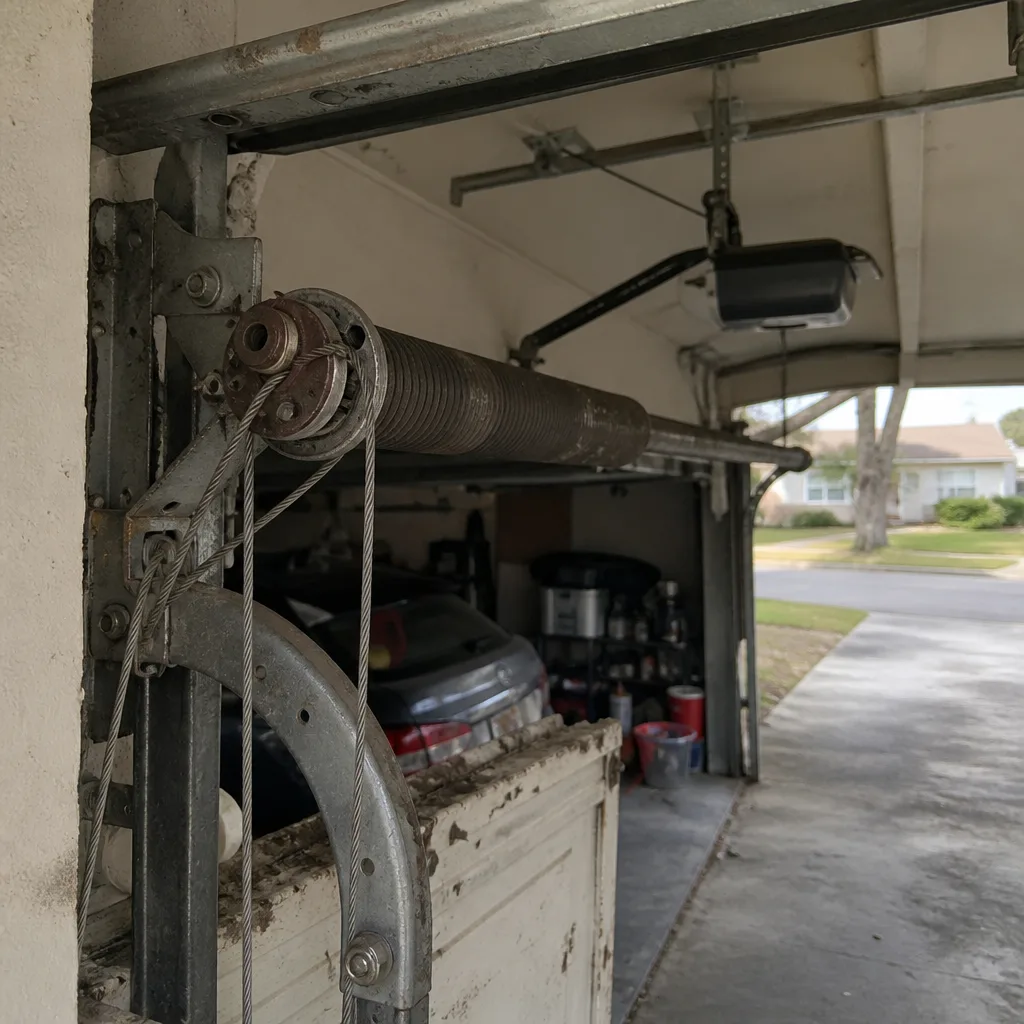 Before
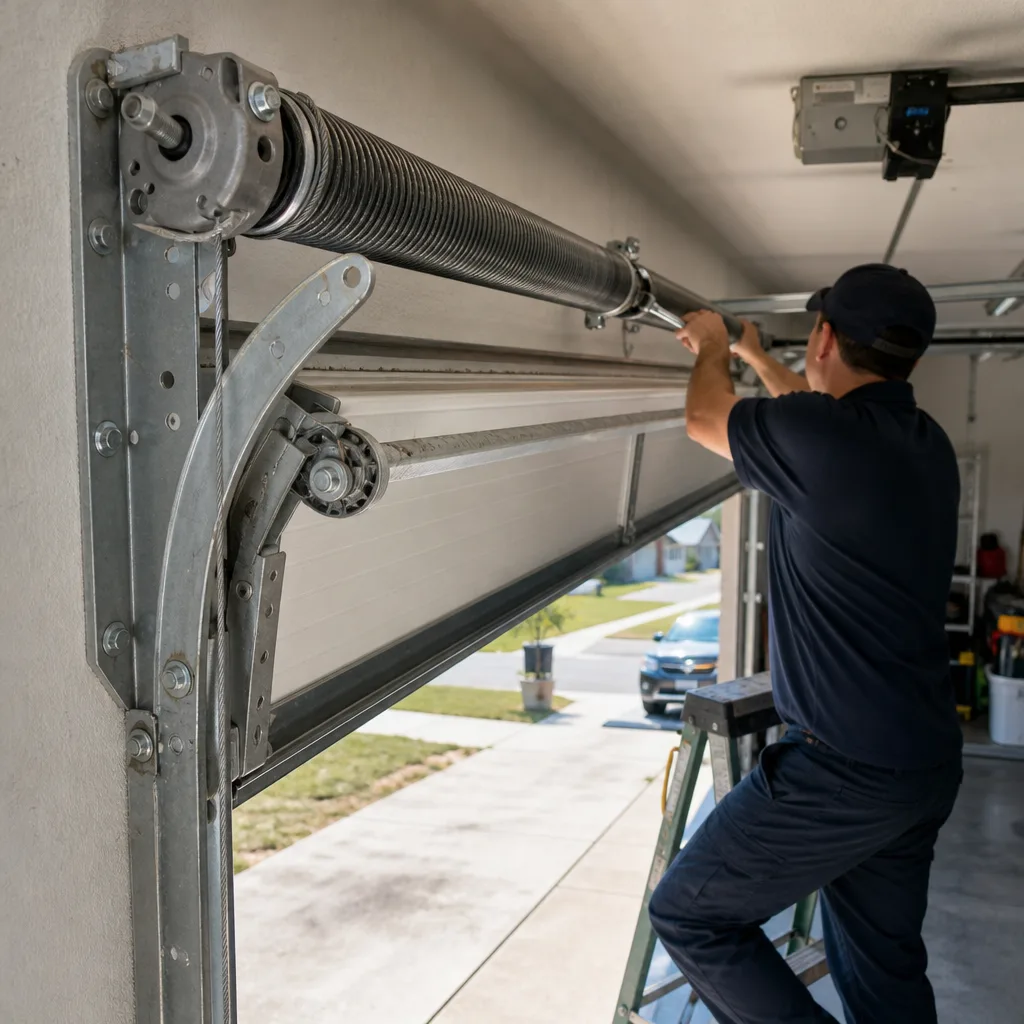 After
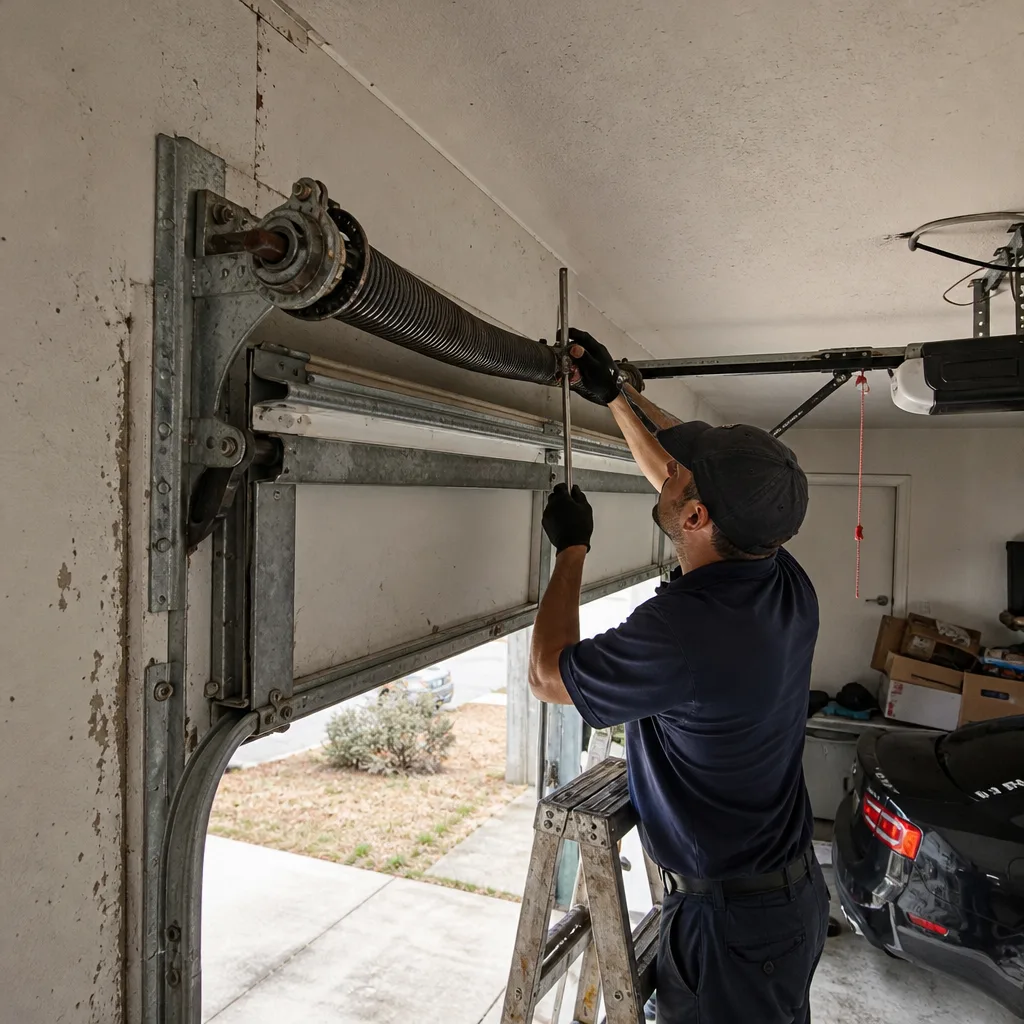 Before
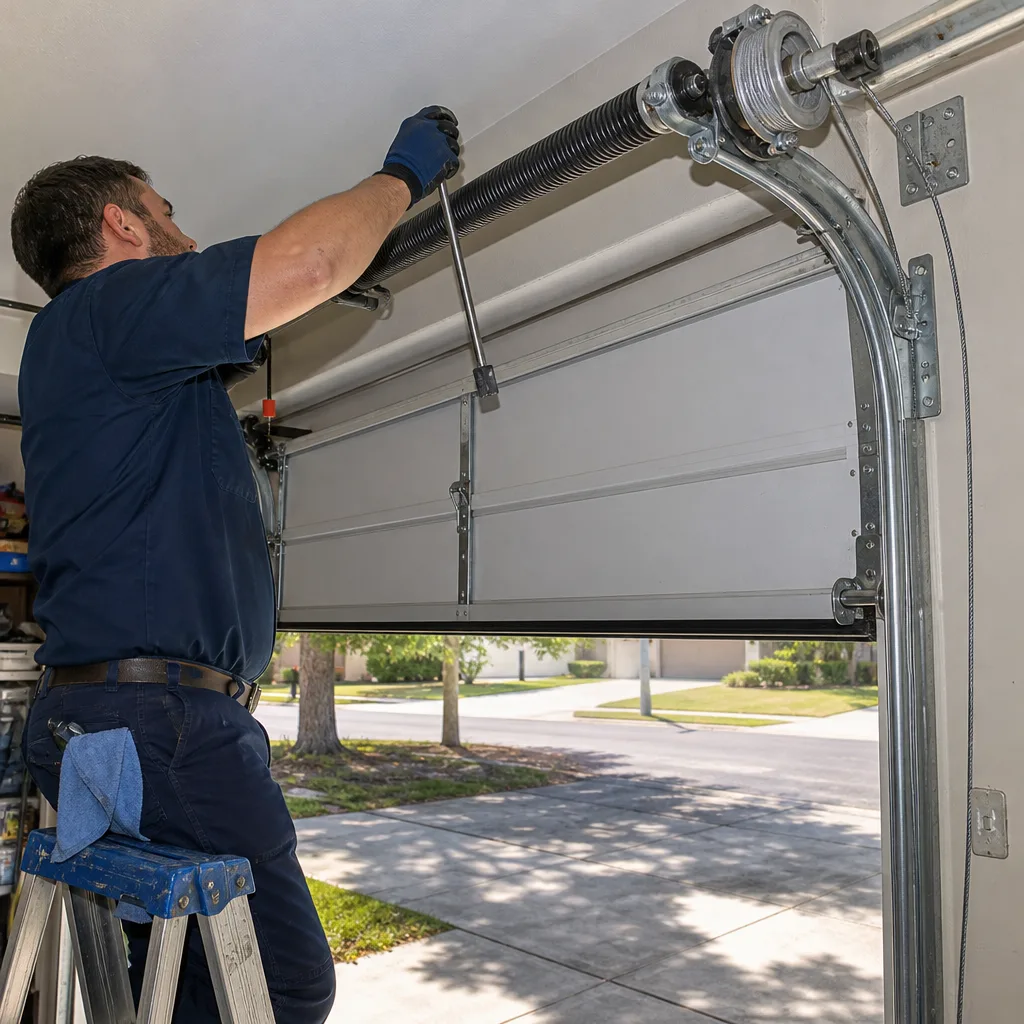 After