
Last updated October 31, 2026
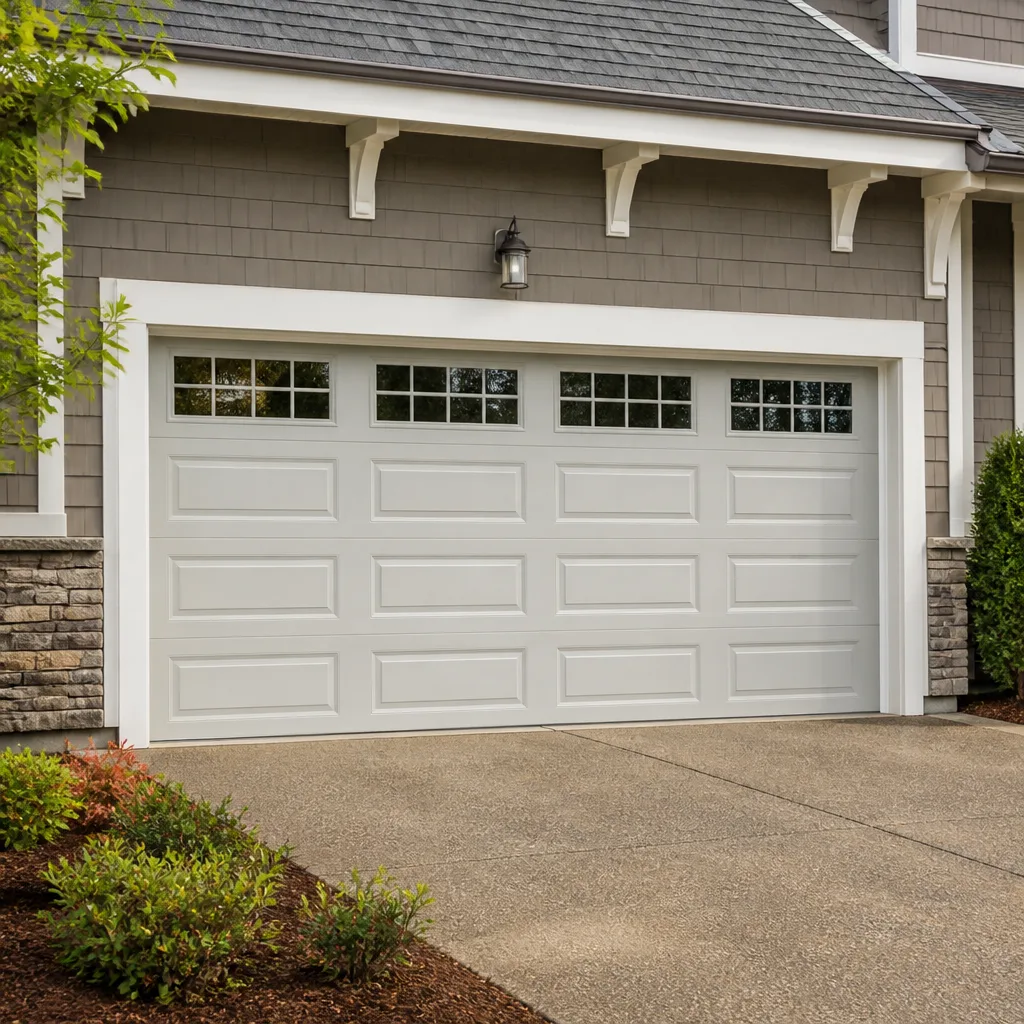 Raised-panel steel
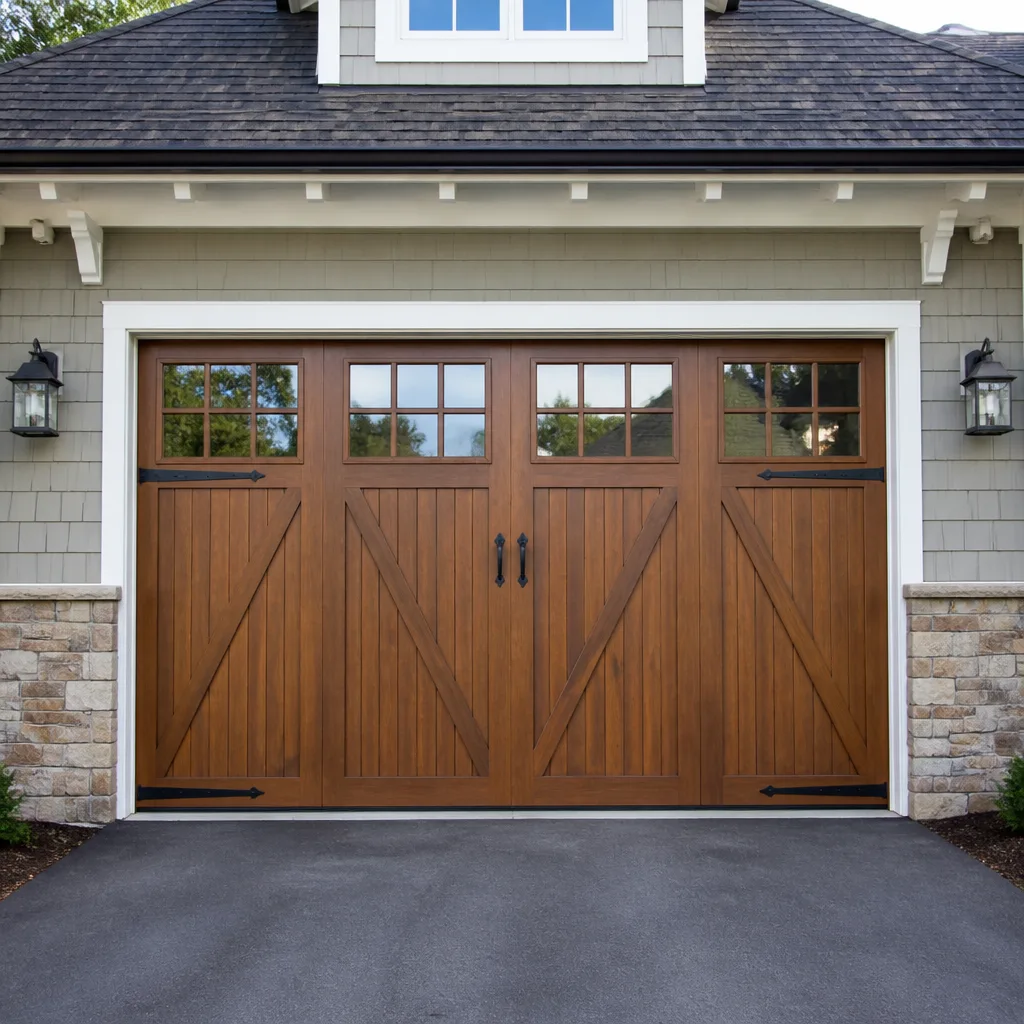 Carriage house
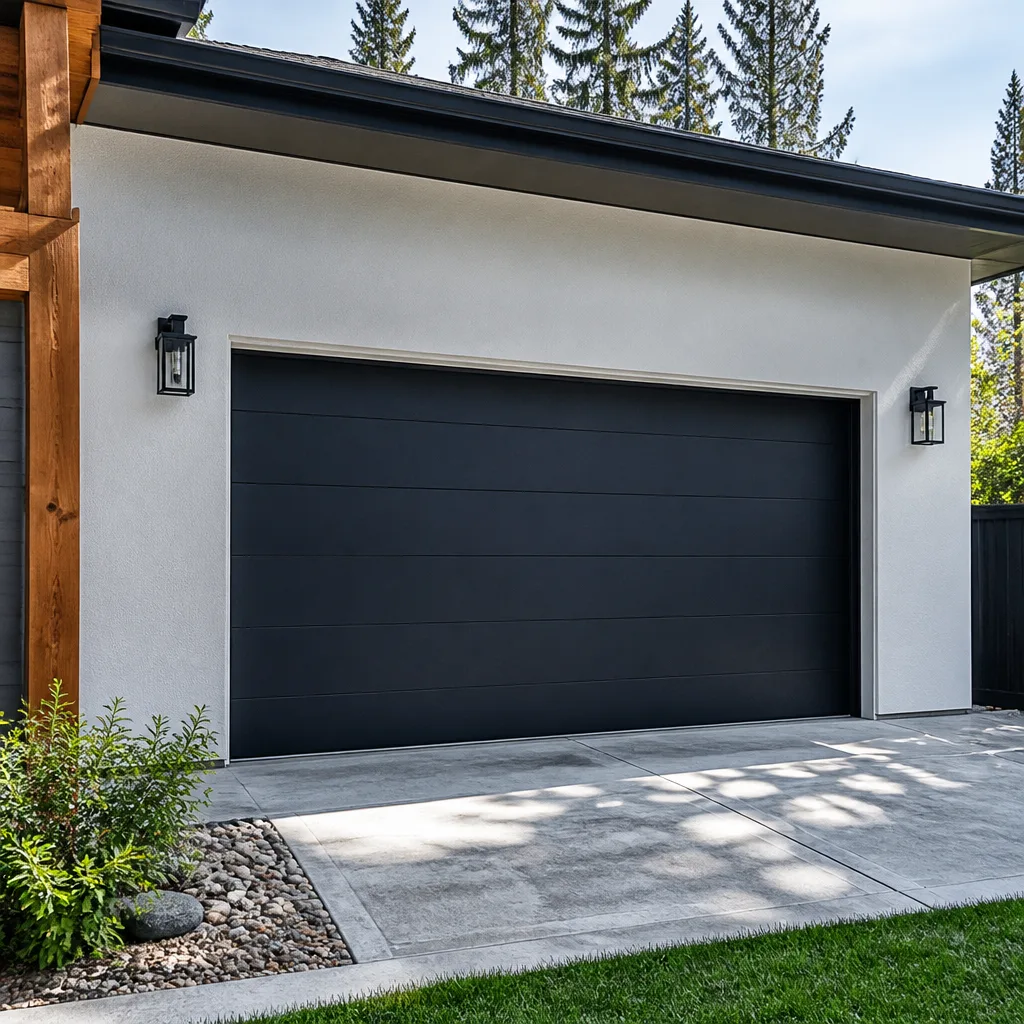 Modern flush
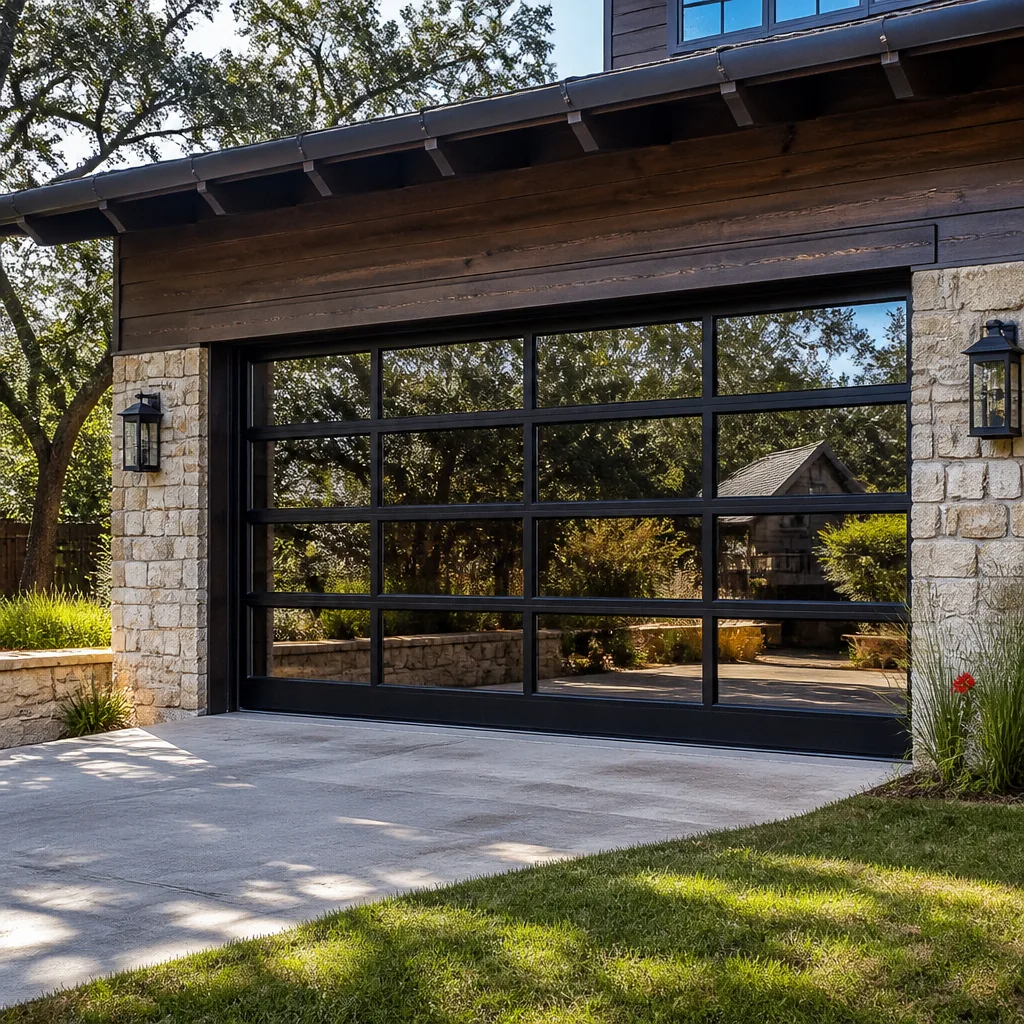 Full-view glass
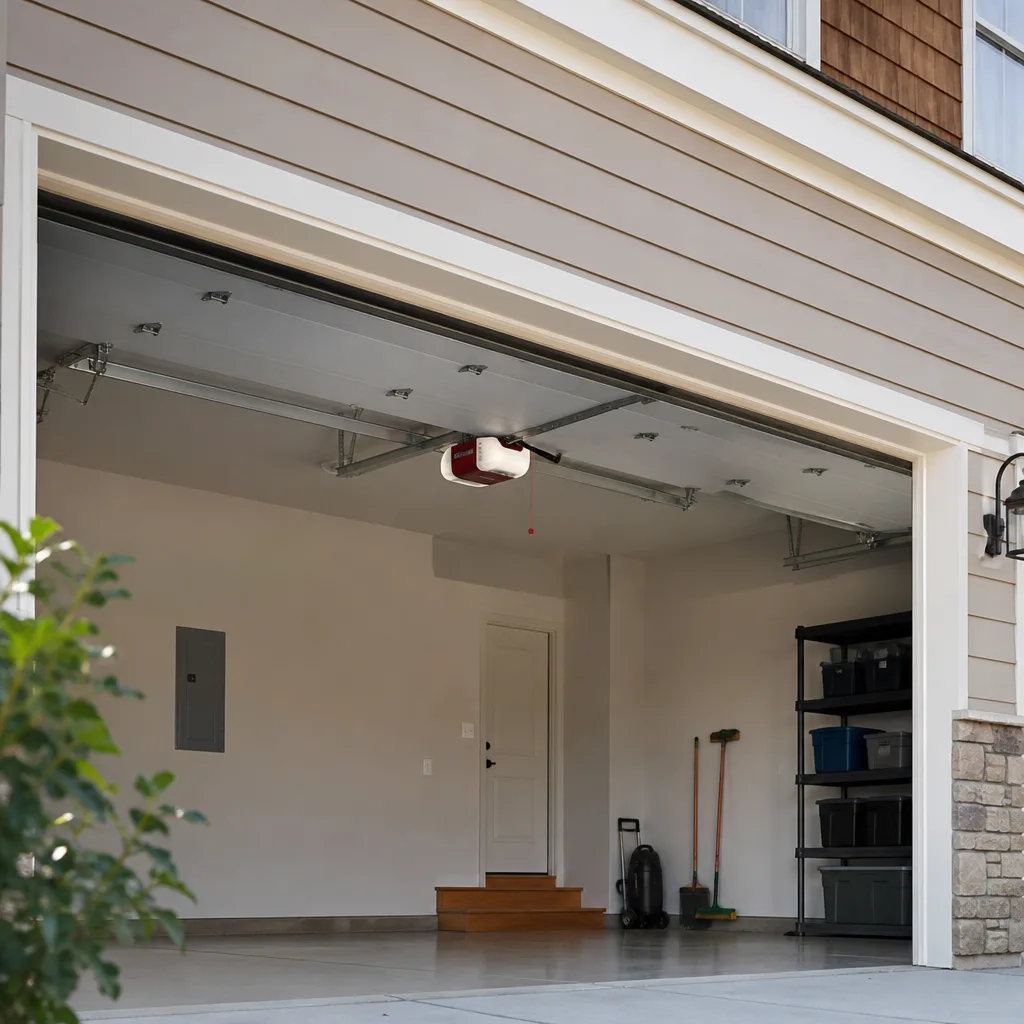 LiftMaster openers
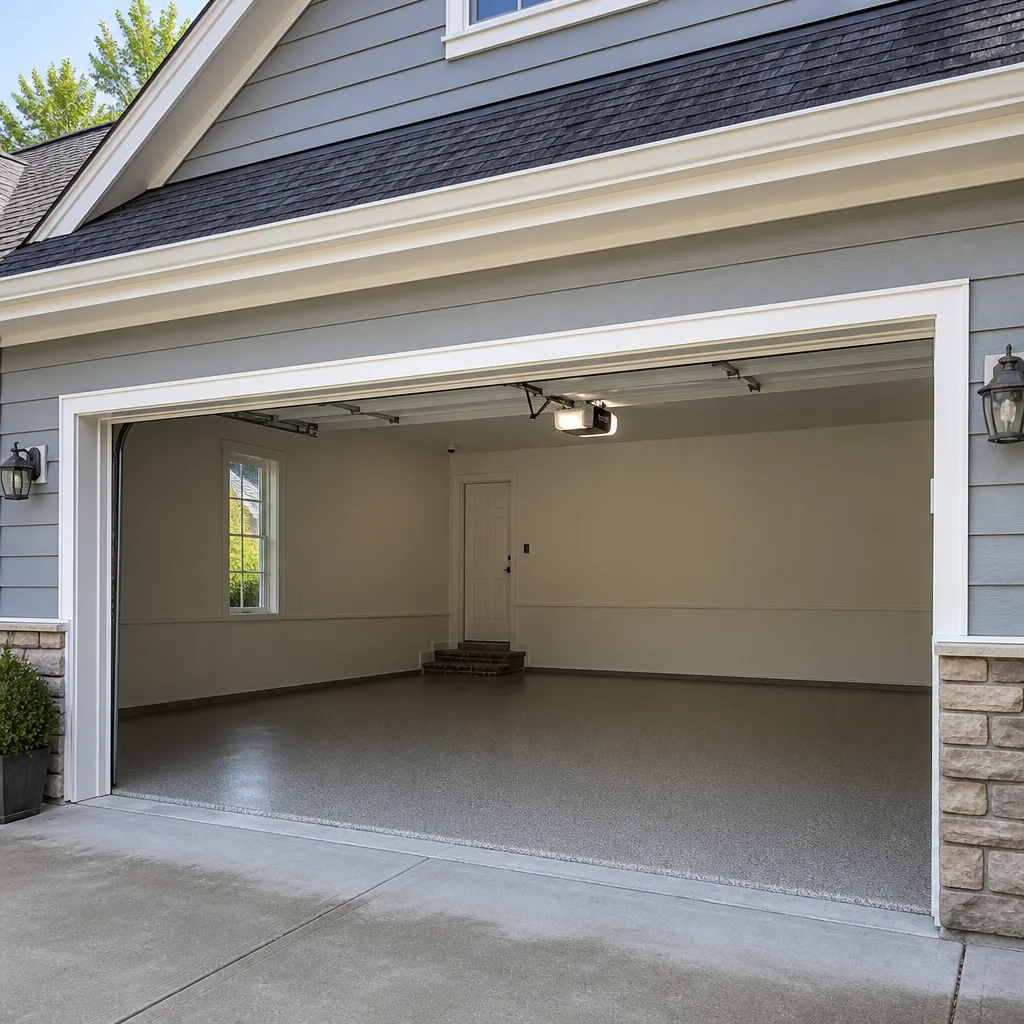 Chamberlain openers
Full 25-point door and opener safety check with every visit - springs, cables, rollers, tracks, and your LiftMaster or Chamberlain opener included
You get a price before we start. It does not change when the truck arrives.
Get your free estimateSeasonal Garage Door Care for Kissimmee: Year-Round Homeowner’s Guide
Most garage door maintenance advice is written for places with snow, freeze-thaw cycles, and a garage that sits dormant half the year. Kissimmee is a different animal entirely. The window from June through November isn’t just hurricane season on the calendar – it’s when your garage door absorbs more moisture, more thermal cycling, and more direct UV exposure than at any other point in the year. A door that looked fine in May can develop three compounding problems by October if nobody pays attention. This Complete Guide to Garage Door in Kissimmee walks you through what to check, when to check it, and which tasks are worth doing yourself versus calling a specialist. We’ll organize everything around the four phases Kissimmee actually experiences: a wet season, a dry season, a hurricane window, and a brief mild stretch that most of the country would call spring.
Styles & brands we work with
Quick Answer
Seasonal garage door maintenance in Kissimmee means working around four distinct phases rather than traditional northern seasons. The wet season from June through September demands attention to seals, track rust, and opener electronics. The pre-hurricane window in April and May is when you should inspect, tighten, and document everything. The dry season from November through March is the best time for bigger jobs like spring replacement and panel refinishing. Year-round UV exposure breaks down painted steel and composite finishes faster than manufacturer warranties assume, so finish inspection deserves a regular spot on your checklist no matter the month.
Table of Contents
- Why Kissimmee’s Climate Beats Up Garage Doors Differently
- Pre-Hurricane Season Prep (April – May): The 60-Minute Critical Check
- Wet Season Stress Points (June – September): Moisture, Rust, and Circuit Boards
- Post-Storm Inspection Protocol: What to Check After a Named Storm
- Dry Season Opportunity Window (November – March): The Smart Time for Bigger Work
- Year-Round UV Consideration: The Florida Sun Is Harder on Finishes Than You Think
- Month-by-Month Maintenance Calendar for Kissimmee Homeowners
- Common Mistakes to Avoid
- When to Call a Professional
- Frequently Asked Questions
- The Bottom Line
Why Kissimmee’s Climate Beats Up Garage Doors Differently
Kissimmee sits in a humid subtropical zone, which sounds pleasant until you think about what it means for metal and moving parts. Summer brings afternoon thunderstorms almost daily, often dropping an inch of rain in under an hour. Humidity sits above 80 percent for months at a time. Then the sun comes back out, and a dark garage door facing west can hit surface temperatures above 140 degrees Fahrenheit. That cycle – soaked, baked, soaked, baked – is the core stressor that garage door systems in drier climates never face.
The practical takeaway is this: your garage door in Kissimmee is aging faster than the same door installed in, say, Colorado Springs or Phoenix. Springs corrode sooner. Seals lose flexibility sooner. Circuit boards in openers accumulate moisture-related issues sooner. That’s not alarmism – it’s simply what the environment does. The good news is that most of the damage is predictable, and predictability means prevention. Understanding the four phases below puts you ahead of the curve and keeps small issues from becoming big tickets.
Pre-Hurricane Season Prep (April – May): The 60-Minute Critical Check
The weeks before hurricane season starts in June are the most important maintenance window of the year for Kissimmee homeowners. The goal is not just function – it’s documentation, tightening, and catching weak points before storm winds find them. A garage door is the largest moving surface on most homes, and once wind pressure gets behind a weakened panel or a loose track bracket, the damage cascades quickly.
Here is a step-by-step prep routine we recommend running through every April or early May:
- Photograph everything. Take clear photos of the door from both sides, the tracks, the springs, the cables, the hinges, and the opener motor. Open the door halfway and photograph the interior. If a storm causes damage, these photos become your insurance documentation baseline. It’s tedious for ten minutes, but it’s the most valuable ten minutes you’ll spend all year if you ever need to file a claim.
- Tighten track brackets and hinges. Use a socket wrench to check every bolt where the track mounts to the wall and where the hinges attach to the panels. Florida’s daily expansion and contraction works bolts loose over time. If anything wiggles by hand, tighten it now.
- Test the balance. Disconnect the opener using the red emergency release cord, then manually lift the door to about waist height. It should stay put without drifting up or down. If it falls, the springs are weak or failing. If it rises, the springs are over-tensioned. Either way, this is a professional repair, not a DIY adjustment – garage door springs are under dangerous tension and the cables can cause serious injury when mishandled.
- Check the bottom seal. Run your hand along the rubber seal at the bottom of the door. Look for cracks, flat spots, or places where it has pulled away from the retainer. During heavy wind-driven rain, a compromised bottom seal lets water under the door and into your garage, which leads to mold, rust, and damaged stored belongings.
- Lubricate the moving parts. Use a silicone-based lubricant (not WD-40) on the hinges, rollers, bearing plates, and the opener rail. Spray the torsion spring lightly. Wipe away excess. Dry lubricant residues attract dust and grind down components over time.
- Clear the photoelectric sensors. Wipe the lenses of the safety sensors near the bottom of the track with a dry cloth. Misaligned or dirty sensors are the most common reason a door refuses to close, and it’s a 30-second fix that saves a service call.
If you find significant rust, cracked panels, or a door that doesn’t balance properly, address it before the first named storm watch, not during it. Emergency repairs during a storm window are slower, more limited, and often more expensive because they’re competing with every other homeowner’s damage, which is why our Complete Garage Door Repair Guide for Kissimmee Homeowners emphasizes catching issues early.
Wet Season Stress Points (June – September): Moisture, Rust, and Circuit Boards
Once the daily thunderstorms start, your garage door’s weak points shift from mechanical to environmental. The wet season in Kissimmee is when we see the most corrosion-related failures, and many of them are silent until the day the door stops working or a spring snaps.
Here are the three stress points to monitor during the wet months:
Bottom Seal Saturation
The bottom seal spends June through September repeatedly soaked and sun-baked. Rubber compounds lose plasticizer over time, especially when exposed to standing water and heat. Once the seal hardens, it no longer compresses against the floor, and gaps appear. Water intrusion during afternoon downpours is the first symptom. The second is a garage that stays humid for days, which in turn rusts your tools, fogs your stored boxes, and becomes a breeding ground for mildew. If your garage floor shows water lines or damp spots after rain, the bottom seal is the first thing to inspect.
Track Rust Initiation
Garage door tracks are typically galvanized, but the galvanized coating is thin, and Florida humidity finds every scratch. The lower sections of the track, within a few feet of the floor, are the first to show rust because they’re closest to ground moisture and splash-back. Surface rust on a track is mostly cosmetic, but deep rust creates drag, which makes the opener work harder and can eventually cause the door to bind. Treat early rust spots with a wire brush and a rust-inhibiting primer. If the rust has pitted the metal, the track section should be replaced before it fails under load.
Opener Circuit Board Humidity Exposure
Garage door opener circuit boards are surprisingly vulnerable to prolonged humidity. Condensation forms when warm, moisture-heavy air contacts cooler metal and electronic surfaces inside the opener housing – the same way a cold glass sweats on a humid day. Over time, this condensation causes corrosion on solder joints and connectors, which is why openers that survive years in dry climates fail sooner in Kissimmee. Symptoms of humidity-related circuit board damage include intermittent operation, a door that starts and stops randomly, lights that flicker without command, and an opener that runs but does not move the door.
For homeowners in flood-prone parts of Kissimmee, including areas near Lake Tohopekaliga, an additional step is to check that the opener unit itself is mounted high enough. Openers installed within reach of rising water will short quickly and may not be worth repairing afterward.
Post-Storm Inspection Protocol: What to Check After a Named Storm
After a hurricane or tropical storm passes through Kissimmee, most homeowners look at their garage door and assume that if it’s intact, it’s fine. That assumption is dangerous. Wind forces, pressure changes, and water intrusion can damage the system’s internal components even when the door panels show no visible impact.
Run through this checklist even if the door looks undamaged:
- Check cable tension shift. The lift cables on each side of the door should have identical tension. After a storm, shifting or stretching can create a mismatch. Look for slack, fraying, or a cable that has jumped off the drum. If one cable is looser than the other, do not operate the door – that’s a hazardous condition that needs professional attention before further use.
- Check track alignment. Stand back and sight along each track. Wind pressure can bend or twist track sections slightly, and even a quarter-inch deviation can cause rollers to bind or jump. Look for gaps between the track and the wall mounting brackets, and listen for grinding or scraping when the door runs through its cycle.
- Check anchor bolt integrity. The anchor bolts that secure the track and the spring system to the wall or header absorb tremendous force during high winds. Walk along the interior and check that all bolts are present and tight. If you see cracks radiating from any bolt head in the surrounding drywall or wood, that anchorage has moved and should be evaluated.
- Run a full open-close cycle. Operate the door from the opener and watch and listen. Any new vibration, hesitation, or uneven travel is a signal that something shifted. Catching a bent track early costs a fraction of replacing a door that derailed under operation.
- Document water intrusion. If water came under the door, photograph the affected areas, remove wet cardboard and fabrics quickly, and run a fan to dry the space. Persistent moisture in a closed Kissimmee garage leads to mold within days, not weeks.
This inspection takes 15 minutes. It is the highest-value 15 minutes you can spend after any named storm, and it applies even to homes in communities like Poinciana, Intercession City, and the neighborhoods east of downtown Kissimmee that might have caught only the outer bands.
Dry Season Opportunity Window (November – March): The Smart Time for Bigger Work
When the afternoon thunderstorms stop and the humidity drops into the 50s and 60s, Kissimmee enters the best window of the year for anything beyond routine maintenance. The dry season, running roughly November through March, means lower ambient moisture, which means better conditions for adhesives, paints, sealants, and metal work.
Here is why this window matters for specific jobs:
- Spring replacement. Garage door torsion springs have a finite lifespan measured in cycles, not years. A typical 10,000-cycle spring lasts about 7 to 9 years with normal use, less if the door is used heavily or if the spring was installed with lower-cycle materials. Replacing springs during the dry season means the new components won’t be immediately exposed to daily humidity cycles during break-in. It also gives you time to schedule the replacement at your convenience rather than discovering a snapped spring in July, when the door won’t open and every tech in Kissimmee is booked out.
- Panel resurfacing and repainting. Whether your door is painted steel, stained wood composite, or an Amarr or Wayne Dalton finish, any coating work needs low humidity and moderate temperatures to cure properly. Painted surfaces cure harder and more evenly when the air is dry. If your door’s finish is dull, chalky, or peeling, November through February is when you’ll get the best result from refinishing.
- Roller and hinge replacement. Worn rollers produce that familiar rattling noise and cause the door to run rough. Replacing nylon rollers and any worn hinges is a straightforward job, but in humid months the new parts get exposed to daily moisture before they’ve settled into their operating pattern. Doing this work in the dry season extends the life of the new hardware.
- Opener replacement or upgrade. If your opener has been acting up during the wet season – intermittently responding, showing random error codes, or failing to reverse reliably – the dry season is when to address it. New opener units, whether LiftMaster, Chamberlain, or Genie, benefit from installation during dry conditions, and you’ll avoid the summer rush when opener failures spike.
- Full door replacement. If you’ve been nursing along a 20-year-old door, scheduling replacement in the winter months means you’re not without a garage door during the months when your garage needs the most protection from storms and afternoon deluges. New installation takes a few hours to a day once your door arrives, but planning the replacement during the dry season protects the old door from failing while you wait for the new one.
For homeowners in Kissimmee’s older neighborhoods, including areas around Orange Blossom Trail and the historic downtown grid, the dry season is also the right time to evaluate whether an existing door and opener are worth continued investment, or whether the long-term math favors replacement. A specialist who works across brands – including Craftsman, Raynor, and Amarr systems – can give you an honest assessment based on the door you actually have, not the brand a competitor happens to stock, as covered in our guide to Choosing the Right Garage Door Brand: A Buyer’s Guide for Kissimmee.
Year-Round UV Consideration: The Florida Sun Is Harder on Finishes Than You Think
Kissimmee receives roughly 230 days of measurable sunshine per year, and the UV index frequently reaches extreme levels between March and October. That solar intensity breaks down painted steel, powder coatings, and wood composite finishes on a timeline that manufacturer warranties were not calibrated for in most cases.
Here is what UV damage looks like on different door types:
- Painted steel. UV exposure causes the paint’s binder to break down, which shows up first as chalking – a fine powder that rubs off on your hand. Chalking is the early warning sign. After that, the paint begins to crack and separate from the steel, and once moisture gets under the paint film, rust starts even on panels that never see rain directly.
- Wood composite. Composite doors are stable in dry climates but struggle in Kissimmee’s combination of UV and humidity. The UV breaks down the outer finish while humidity causes the composite core to expand and contract, and the combination creates hairline cracks that open the door to moisture intrusion and warping.
- Powder-coated aluminum. Powder coating is durable, but it is not immune to Florida sun. The coating fades and loses gloss faster when the door faces west or southwest, which gets the most intense afternoon exposure. Homes on the west side of Kissimmee, toward the Four Corners area and ChampionsGate, see the worst of this.
- Test the door balance by disconnecting the opener and manually lifting.
- Check the weatherstripping and bottom seal for wear, since January is one of the driest months and cracks are easiest to see.
- Schedule spring replacement if your springs are nearing the end of their expected cycle life.
- Inspect hinges, rollers, and bearings for wear. Listen for grinding or rattling when the door operates.
- Lubricate all moving metal contact points with silicone-based lubricant.
- Clean the photoelectric sensor lenses and verify they are aligned.
- Begin pre-hurricane documentation: photograph the door, tracks, springs, cables, and opener from multiple angles.
- Test the opener’s auto-reverse safety function by placing a 2×4 under the door’s path and verifying it reverses.
- Check the lock and opener for smooth operation as the dry season winds down.
- Tighten every track bracket, hinge bolt, and cable clamp. Do not overtighten – snug and seated correctly is the goal.
- Verify the emergency release cord disengages and re-engages cleanly.
- If your door has any structural panel damage, get a repair quote now, before storm season strains it further.
- Complete the full pre-hurricane checklist above, including the balance test, seal inspection, and documentation.
- Check that your insurance policy covers garage door storm damage, and save your documentation photos where you can access them from your phone.
- Trim any tree branches within 8 feet of the door that could scrape or strike it in high winds.
- After every heavy storm, check for water intrusion under the door and dry the floor promptly if wet.
- Feel for developing roughness on any part of the door’s surface – early rust or finish breakdown will feel gritty under a hand.
- Monitor for opener behavior changes: intermittent operation, new sounds, or error codes.
- Keep the garage ventilated when possible. A small fan or cracked side door during daytime hours reduces humidity damage to electronics and stored items.
- After the last active storm sequence passes, perform the full post-storm inspection protocol.
- Begin planning any major work – spring replacement, panel refinishing, opener replacement – for the upcoming dry season.
- Deep clean the door and track to remove accumulated storm debris.
- Start dry season projects: repaint, resurface, or replace hardware as conditions become drier and cooler.
- Assess the bottom seal for replacement – after a wet season, it may have lost flexibility and should be replaced before the next one.
- Book any installation or opener repair work before the holidays slow scheduling.
- Take advantage of low humidity to perform any adhesive, paint, or sealant work.
- Give the door and opener a full operational review: cycle it ten times while watching and listening for anything unusual.
- Confirm your maintenance calendar for the coming year and make notes of anything that was deferred.
- Borrowing a maintenance schedule from a northern climate. A garage door in Michigan needs winterization and ice-related maintenance. A Kissimmee door needs hurricane prep and humidity management. Following the wrong calendar means you’ll do irrelevant work and skip the work that matters.
- Ignoring the bottom seal until water is already inside. The seal is a wear item, not a permanent component. In Kissimmee’s wet season, a compromised seal can flood a garage during a single afternoon thunderstorm, and the damage to stored items often exceeds the cost of a replacement seal many times over.
- Lubricating with WD-40. WD-40 is a water displacer, not a proper lubricant for garage door components. It strips away the lubricant you already had and leaves parts running dry. Use a silicone-based or white lithium grease lubricant instead.
- Attempting to adjust or replace torsion springs yourself. Garage door torsion springs store enormous energy, and when they release it unexpectedly, the results can be fatal. This is the one area where even experienced DIYers should always call a specialist. The risk is not worth any savings.
- Skipping the post-storm inspection because the door looks fine. Cables, tracks, and anchors can be compromised with zero visible damage to the door panels. The 15-minute inspection catches small problems before they become expensive failures.
- Deferring dry season maintenance until it’s urgent. Homeowners who wait until a spring snaps in July or a door derails in August pay a premium for emergency work during peak demand. Proactive scheduling in the dry season is cheaper and less disruptive.
- Assuming a door facing north or east is safe from UV. UV radiation isn’t directional the way direct sunlight is. Reflected UV from pavement, water, and light-colored surfaces affects doors on all orientations, just at different intensities. Every door in Kissimmee needs finish attention.
Practical UV countermeasures include washing the door with a mild detergent every two to three months to remove UV-accelerating contaminants like pollen, dust, and bird droppings; applying a UV-resistant wax or polymer sealant designed for automotive use once or twice a year; and, for homeowners replacing a door, choosing a lighter finish color, which reflects more UV and keeps panel temperatures lower. A door whose finish is badly chalked or cracked but structurally sound may be worth resurfacing rather than replacing, while a door with rusted-through panels usually is not.
Month-by-Month Maintenance Calendar for Kissimmee Homeowners
Some homeowners prefer a calendar approach rather than thinking in terms of seasons. Here is a straightforward month-by-month schedule for Kissimmee garage door care. You do not need to do everything every month – the list below is organized by what matters most at each point in the year.
January
February
March
April
May
June through September
October
November
December
Common Mistakes to Avoid
When to Call a Professional
Some jobs are right for a motivated homeowner, and some are not. The line is usually drawn at anything that involves high-tension components or structural alignment. If your door is unbalanced, if a cable has slack or has jumped off the drum, if a spring is visibly rusted or stretched, or if the track is bent, do not attempt a repair yourself. Garage door springs and cables are under extreme tension, and the failure mode is sudden and dangerous. The same goes for opener circuit board issues that require opening the motor housing – the capacitors inside can hold a charge even when the unit is unplugged.
For everything else, if the job feels beyond your confidence level or you simply don’t have the time, a specialist call is the right move. Journeyman Garage Door Repair offers free estimates in Kissimmee – call (833) 589-8916 for an on-site assessment. We work on the brand you have, and our technicians service doors and openers from all the major manufacturers rather than steering you toward whatever a particular franchise happens to stock.
Frequently Asked Questions
Lubricate all moving metal contact points – hinges, rollers, bearing plates, and the opener rail – every three to four months in Kissimmee’s humidity. During the wet season from June through September, you may want to check for dry rollers monthly, because daily rain and heat cycles strip lubrication faster than in drier climates. Use a silicone-based lubricant and wipe away excess to prevent dust from adhering and creating a grinding paste.
Yes. A garage door is the largest opening in the home’s envelope, and when wind pushes against it, the force transfers through the door to the tracks, the springs, the cables, and the anchor points. Even a small weakness – a loose bracket, a worn cable, a slightly bent track – becomes a failure point under sustained wind pressure. That’s why pre-season inspection and post-storm checks matter as much as they do. The door may look fine, but the system has absorbed the storm’s energy.
The dry season from November through March is the best window for replacement because lower humidity means better conditions for sealants, adhesives, and hardware installation. It also means you won’t be without a door during the months when your old door’s failure would leave the garage exposed to daily storms. New doors from manufacturers including Clopay, Amarr, and Raynor can be ordered to match the existing opening whether you’re in downtown Kissimmee or out toward Poinciana.
Most standard torsion springs are rated for 10,000 cycles, which translates to roughly 7 to 9 years of normal use for a typical Kissimmee homeowner. Florida’s humidity reduces that lifespan somewhat, because corrosion weakens the spring wire over time even if the cycle count is not yet reached. If your springs are visibly rusted, if the door feels heavier when you lift it manually, or if the springs have visible gaps in the coils, they are nearing the end of their life. Spring replacement during the dry season is a proactive move, and the door’s balance should be tested at least twice a year.
That depends on the condition of the door itself. If the panels are intact, the tracks are straight, and the spring system is balanced, a new opener may be all you need. We take a repair-first approach and diagnose the opener before recommending replacement, because many opener issues are fixable at the circuit board, sensor, or drive level. If the door itself is also aged, rusted, or structurally compromised, replacing both at the same time often makes more sense than putting a new opener on a failing door.
A musty garage after rain in Kissimmee almost always points to moisture intrusion through the bottom seal or around the door’s edges. The daily afternoon storms in the wet season leave enough water on the ground that even a small gap in the seal allows repeated intrusion. The persistent humidity inside then feeds mildew and mold growth on stored items and wall materials. Replacing the bottom seal and checking the side weatherstripping usually resolves it, and ensuring the garage has some airflow during the day helps prevent it from recurring.
The Bottom Line
Seasonal garage door care in Kissimmee is about respecting the environment you actually live in, not the environment that national maintenance guides assume. The wet season demands attention to seals, rust, and opener electronics. The pre-hurricane window is the time to inspect, tighten, and document. The dry season is your opportunity for springs, refinishing, and replacement work at the best conditions of the year. And the UV exposure never stops, which means finish care is a year-round responsibility. A homeowner who follows the calendar in this guide will spend less on emergency repairs, get more years from their door and opener, and know before a storm whether their garage door is ready for what’s coming. For more guides & resources or anything that falls outside the DIY scope, call (833) 589-8916 for a free estimate – we service the brand you have, from LiftMaster and Chamberlain to Genie, Clopay, and Craftsman systems, across Kissimmee and the surrounding areas.
Written by the team at Journeyman Garage Door Repair, serving Kissimmee since 2011. For more on our core services, visit the Journeyman Garage Door Repair home page, or see our city-specific guides for Garage Door Repair in Lakeland Highlands, Garage Door Opener Repair in Lakeland Highlands, and Garage Door Installation in Lakeland Highlands.
See the difference
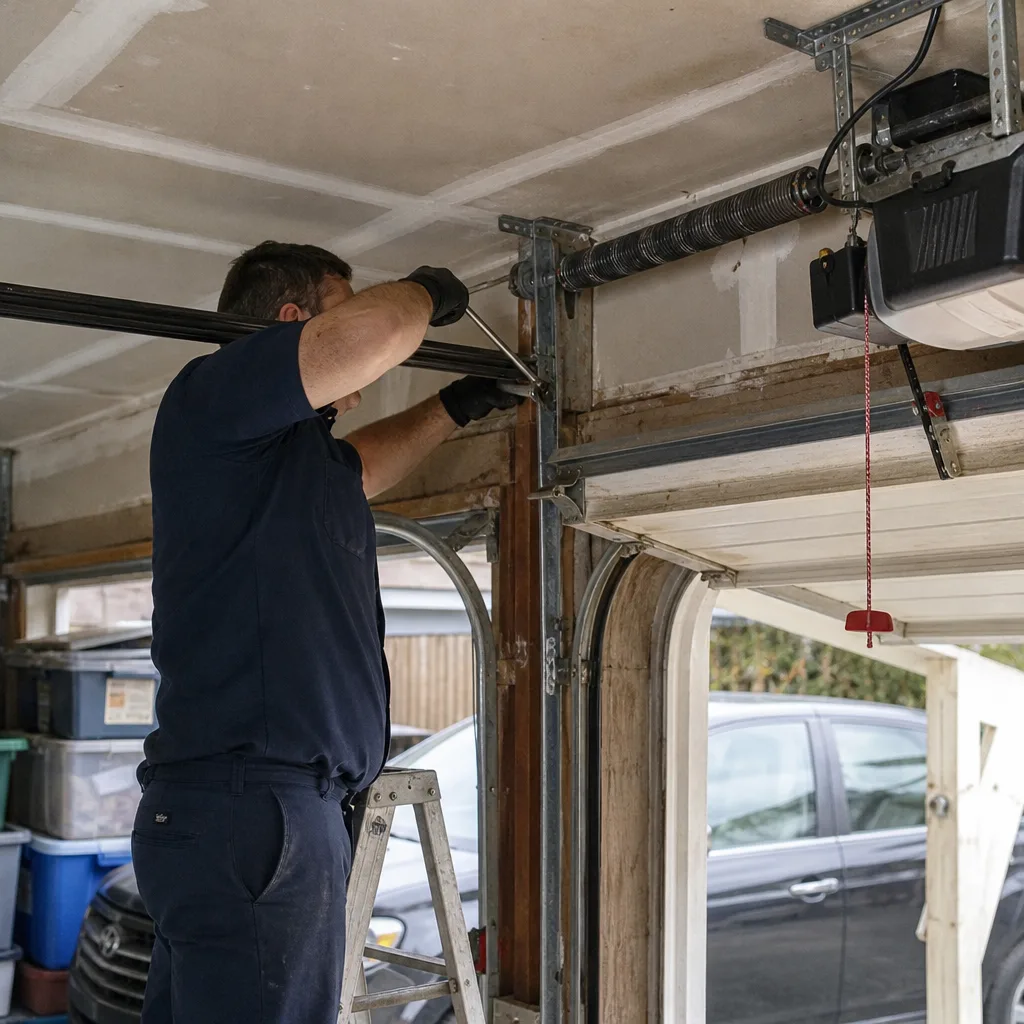 Before
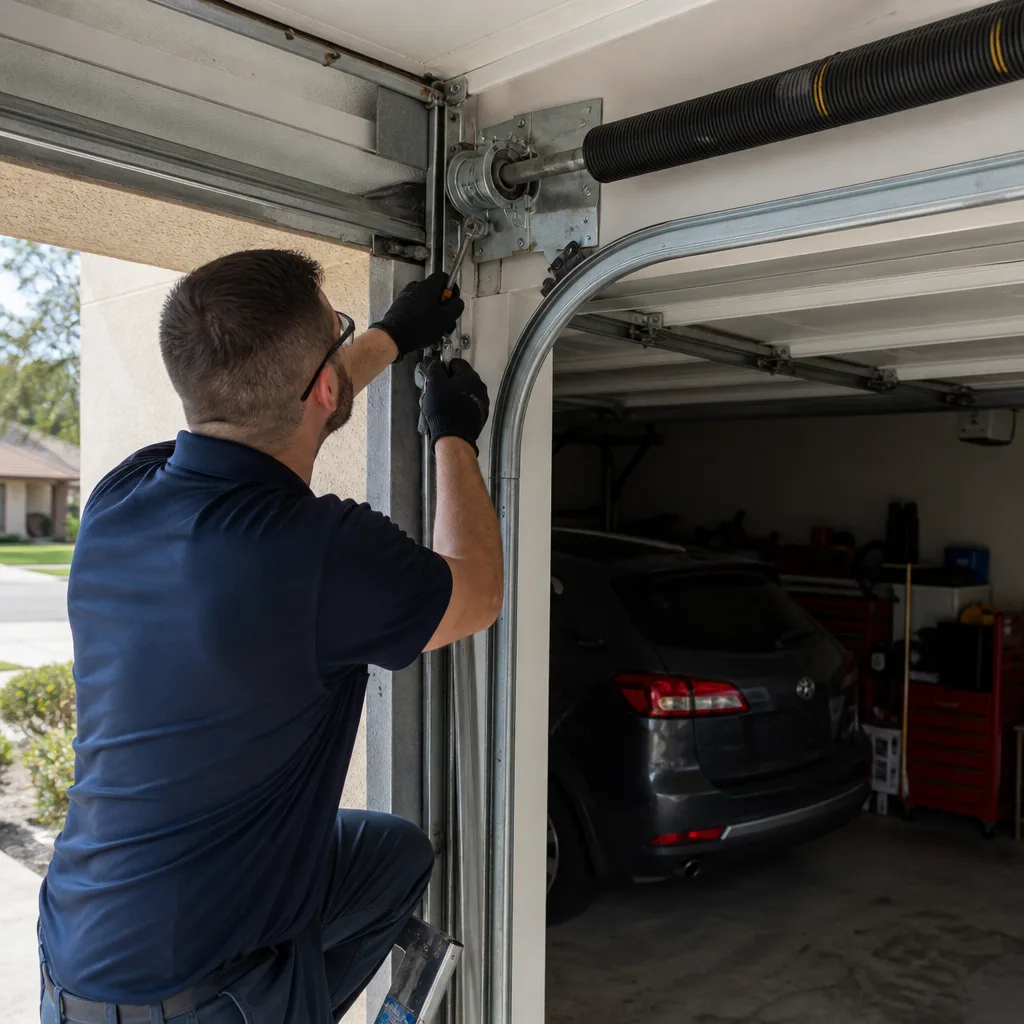 After
 Before
 After
 Before
 After