
Last updated October 31, 2026
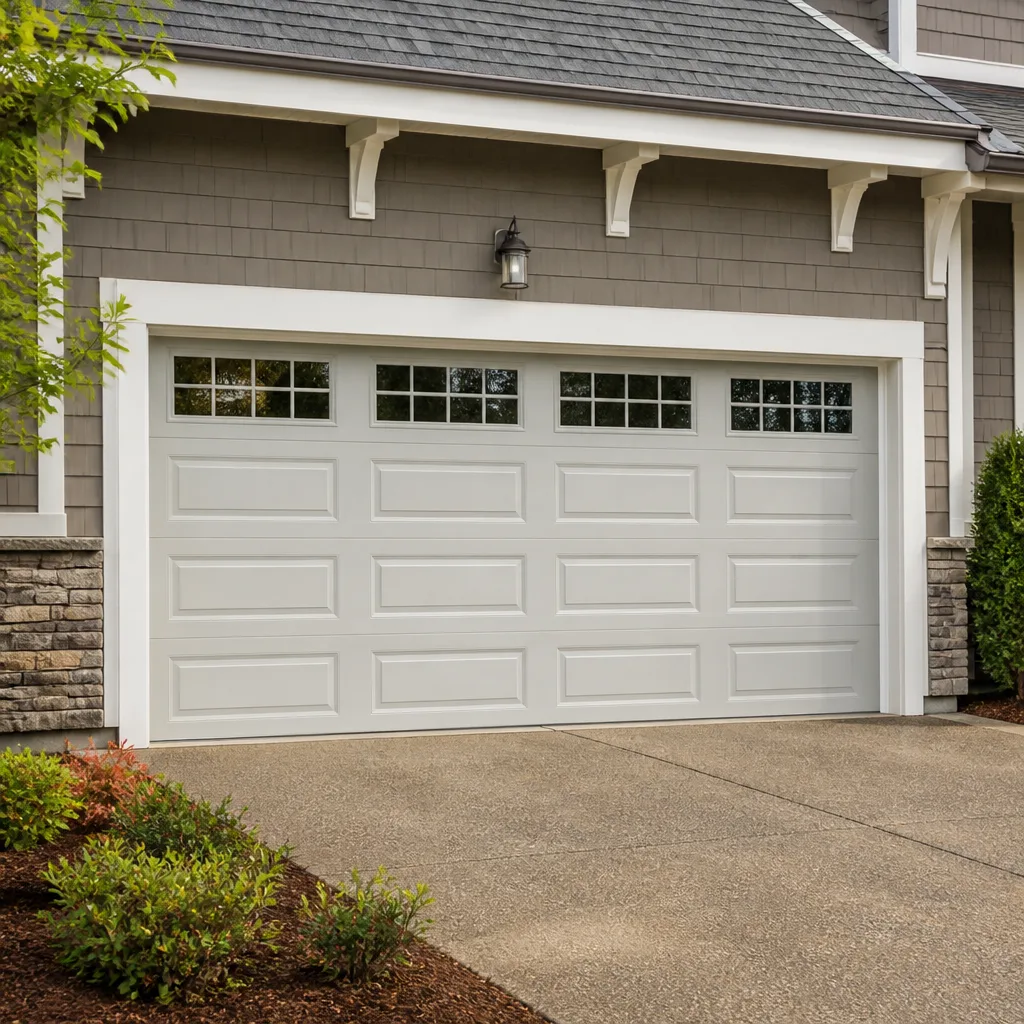 Raised-panel steel
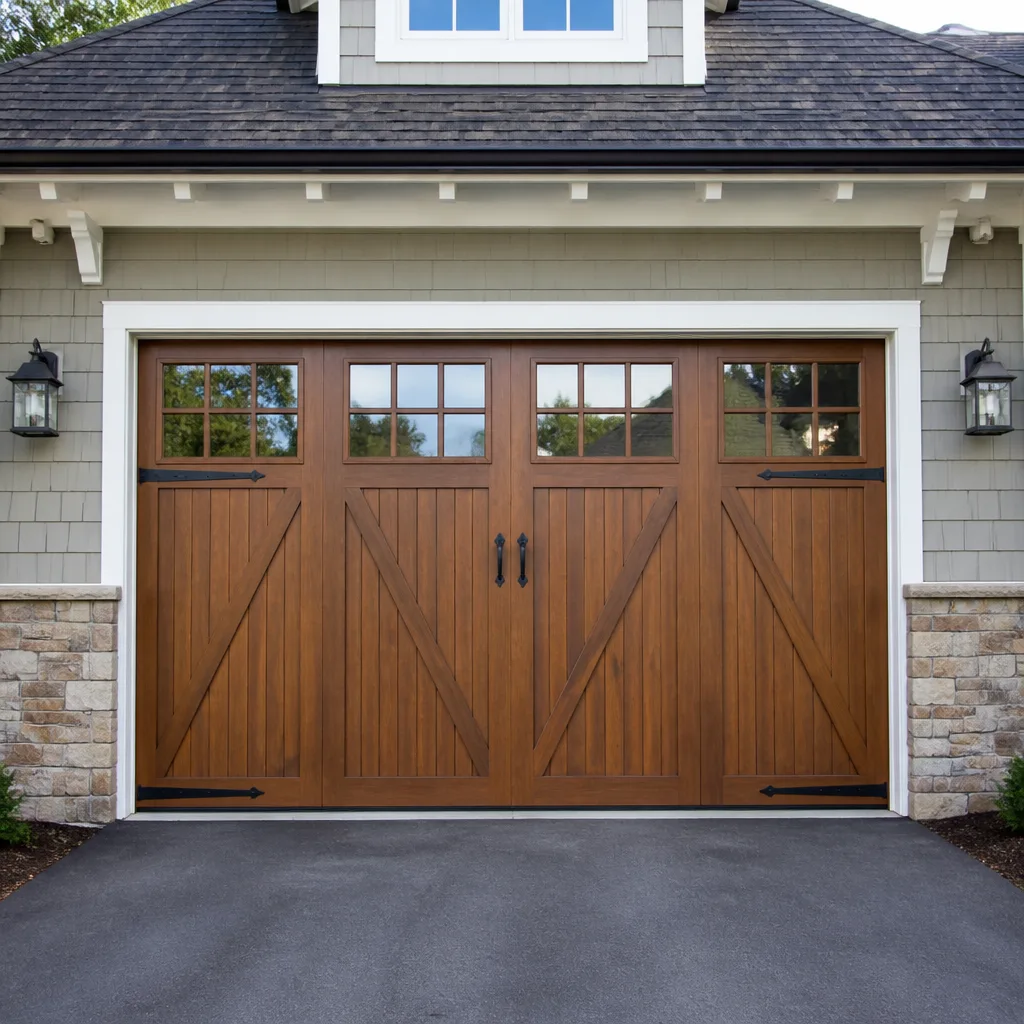 Carriage house
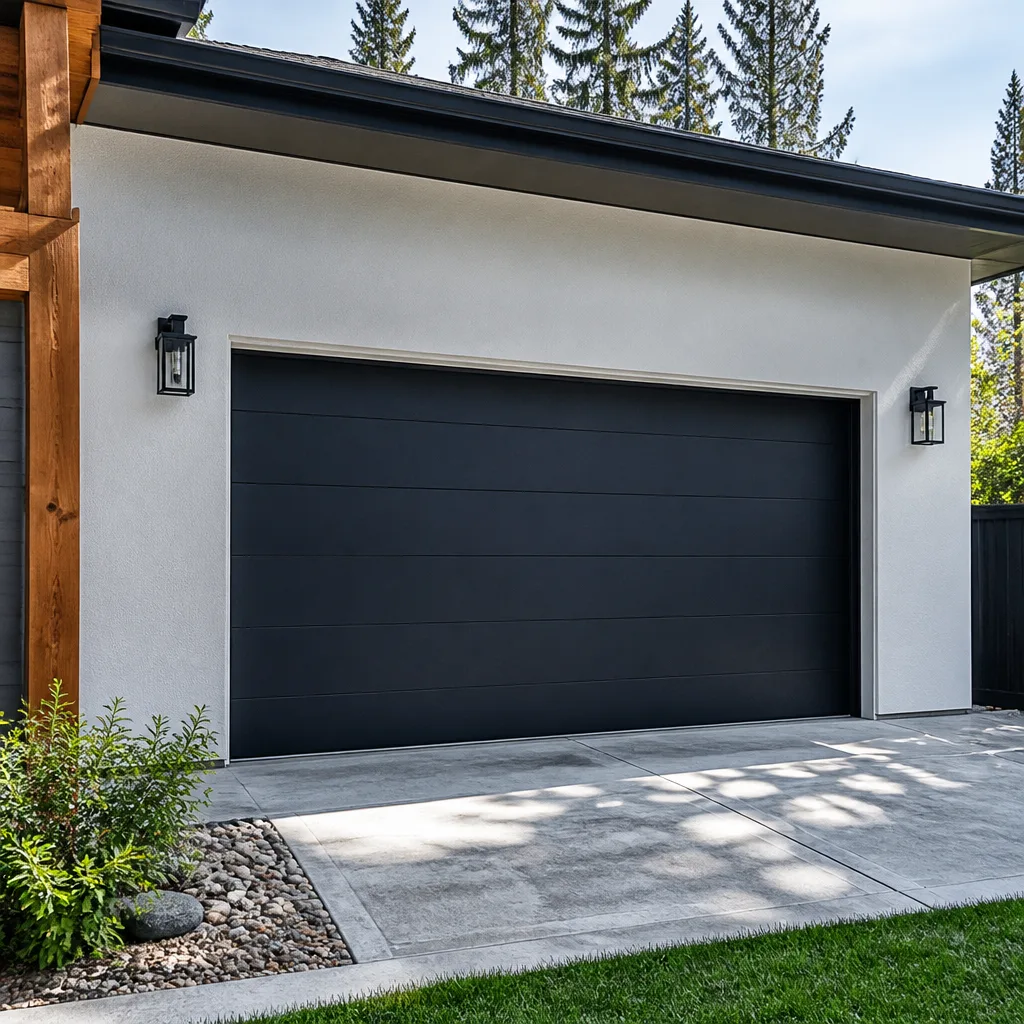 Modern flush
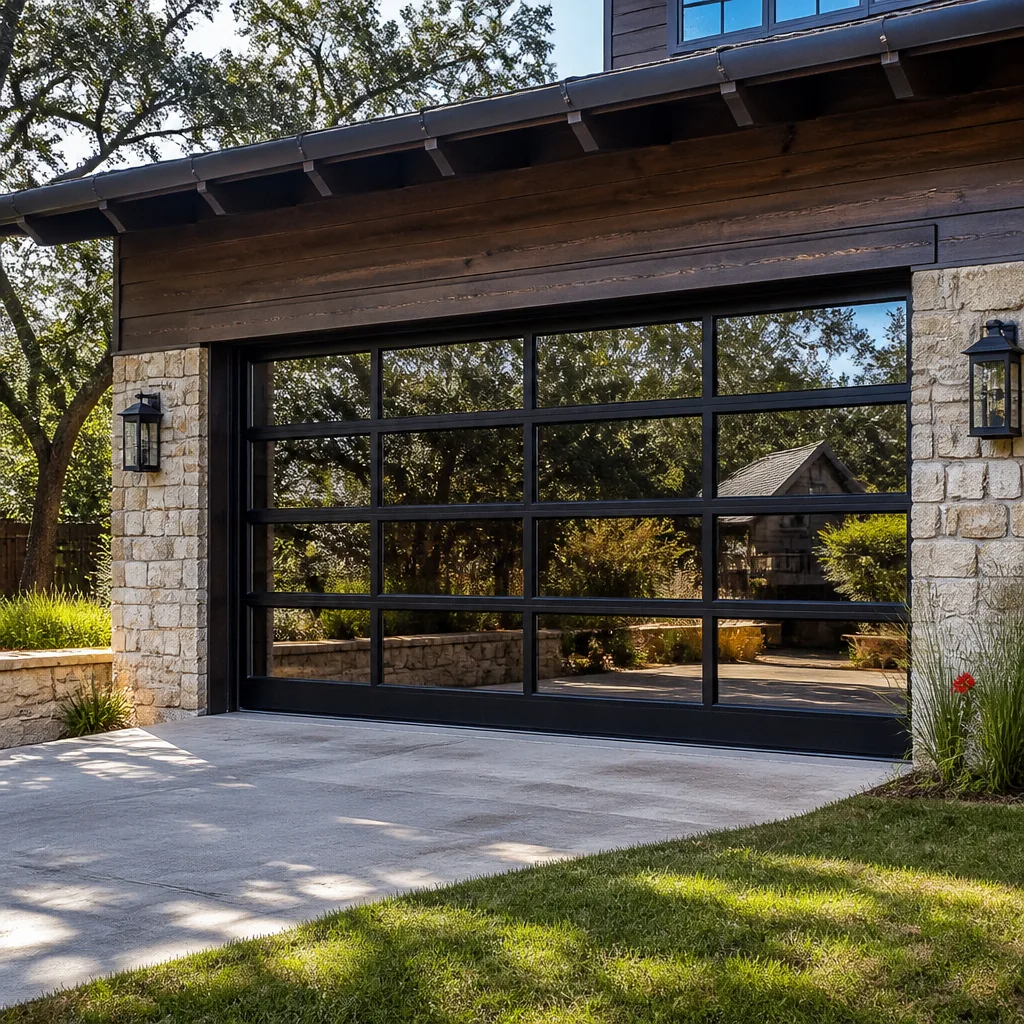 Full-view glass
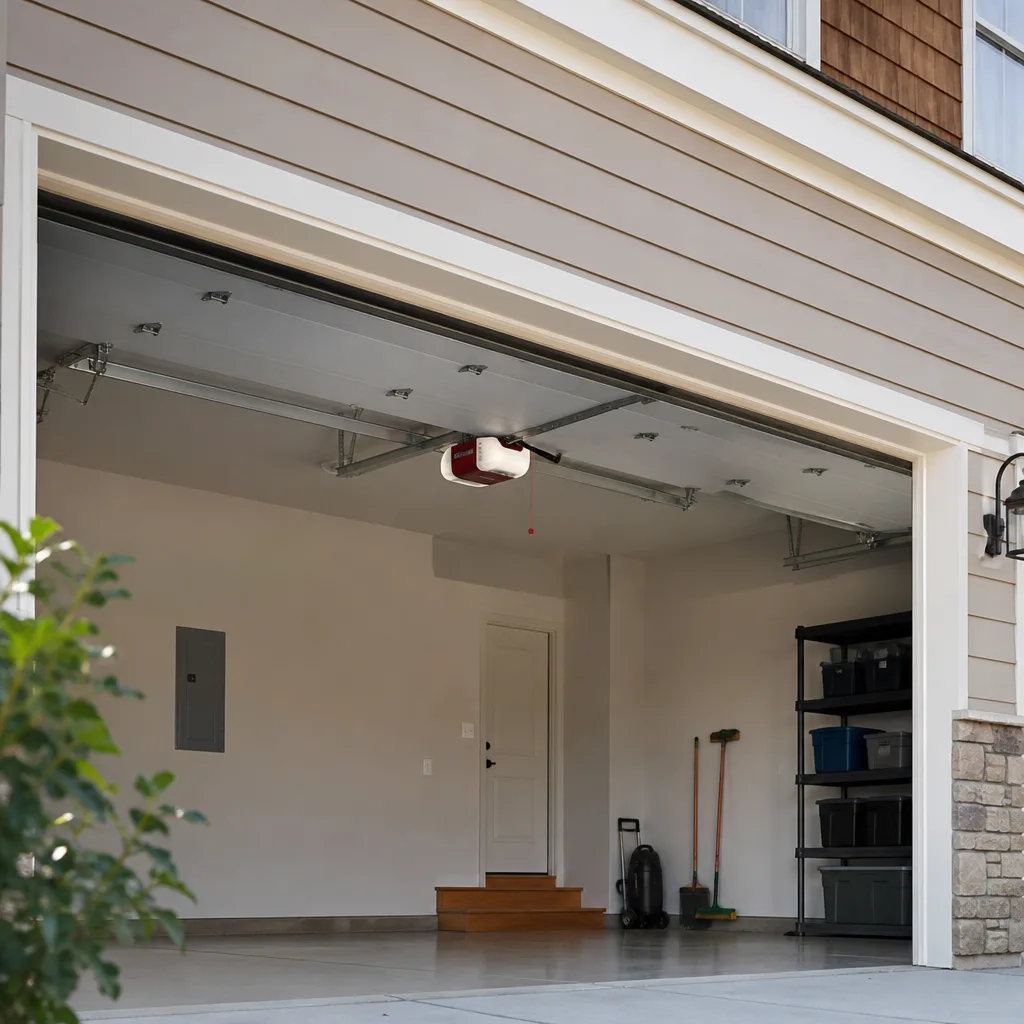 LiftMaster openers
 Chamberlain openers
Full 25-point door and opener safety check with every visit - springs, cables, rollers, tracks, and your LiftMaster or Chamberlain opener included
You get a price before we start. It does not change when the truck arrives.
Get your free estimateThe Complete Guide to Garage Door in Kissimmee
Most homeowners in Kissimmee don’t realize their garage door is the largest moving mechanical system in their house, and one of the few that Florida’s wind-load codes specifically regulate by panel size and opening width. A typical double garage door cycles up and down more than 1,500 times a year while holding a 400-pound assembly overhead. Here in Osceola County, that assembly also has to stand up to afternoon thunderstorms, 90-percent humidity, and hurricane season every single year. This guide explains how the system works, what breaks, what it costs to fix, and what a Kissimmee homeowner actually needs to know before repairing or replacing a door. For more guides & resources, visit our blog.
Quick Answer
A garage door in Kissimmee is a complete mechanical system made up of springs, cables, tracks, rollers, an opener, and panels, all of which have to be matched to each other and to Central Florida’s wind-load and humidity conditions. Most repairs fall into predictable categories: broken springs, snapped cables, off-track doors, failed opener motors, and worn rollers. A good Kissimmee garage door company will diagnose the specific failed component rather than sell you a whole new door, and will confirm a written price before any work starts. If you’re unsure whether to fix it yourself or call a pro, see our DIY vs Professional Garage Door: The Kissimmee Homeowner’s Decision Guide.
Styles & brands we work with
Table of Contents
- How a Garage Door System Actually Works
- Florida Wind-Load Codes: What Kissimmee Homeowners Must Know
- Material Selection in Central Florida Humidity
- The Most Common Garage Door Repairs in Kissimmee
- Garage Door Opener Problems: Repair vs. Replace
- How to Read Your Garage Door Nameplate
- What Garage Door Work Costs in Kissimmee
- Common Mistakes to Avoid
- When to Call a Professional
- Frequently Asked Questions
How a Garage Door System Actually Works
A garage door is not a slab on hinges. It is a counterbalanced mechanical system, and understanding that one fact will save you from most bad repair decisions. The door itself can weigh anywhere from 130 pounds for a basic single-car aluminum door to over 400 pounds for an insulated steel double door. You do not lift that weight with your arm or your opener motor. You lift it with springs.
The key components, working together:
- Torsion springs mounted on a shaft above the door do the actual lifting. They store mechanical energy when the door closes and release it when the door opens. Most residential torsion springs in Kissimmee are rated for 10,000 cycles, which translates to roughly 7 to 10 years of normal use.
- Extension springs on older doors run along the horizontal tracks and stretch to counterbalance the door. These are less common on new installations but still exist throughout older Kissimmee neighborhoods like North Poinciana and the older sections of BVL.
- Cables run from the bottom brackets on each side of the door up to the spring shaft. When a spring breaks, the cable on that side frequently comes off its drum or snaps under the sudden load.
- Rollers ride inside the vertical and horizontal tracks. Nylon rollers with sealed bearings are standard on quality doors now and run quieter than the older steel rollers that many 1990s-era Kissimmee homes still have.
- The opener is a separate motorized unit that does not lift the door weight. It moves a trolley along a rail. If the springs are correctly set, the opener only works against a few pounds of resistance. This is why a broken spring always burns out or strips an opener that keeps trying to move a dead-weight door.
- Weatherstripping along the bottom and sides keeps rain, humidity, and insects out. In Kissimmee, bottom seal replacement is a routine maintenance item because the rubber degrades faster in constant heat and moisture.
When one component fails, it creates stress on the others. A worn roller wears the track. A failing spring loads the opener motor beyond its rating. A warped panel drags on the weatherstripping. We approach every Kissimmee garage door job the same way a Journeyman Garage Door Repair home technician would on any system: find what actually failed, confirm what caused it, and fix that rather than patching the symptom.
Florida Wind-Load Codes: What Kissimmee Homeowners Must Know
Florida regulates garage doors by wind load because a door that blows in during a storm destroys the entire roof structure through pressurization. A door that is code-legal in Georgia or Texas may not be legal to install in Kissimmee, and installing one anyway can void your homeowners insurance and fail a re-roof inspection.
Here is what actually matters in Osceola County:
- Florida Product Approval (FPA) is the baseline. Any new garage door installed in Kissimmee must have an FPA number, which certifies the door was tested to meet Florida Building Code wind-load standards for the specific wind zone.
- Wind speed zones vary by address. Kissimmee sits in a wind-borne debris region, and the required design pressure depends on your exact location, roof height, and door size. A door rated for 130 mph may be fine on one home and insufficient on another a mile away.
- Miami-Dade NOA vs. residential wind rating. A Miami-Dade Notice of Acceptance is the strictest storm-door standard in the country, required in Miami-Dade and Broward counties. Kissimmee does not require a Miami-Dade NOA door, but some insurance carriers in Osceola County offer discounts for them anyway, and some HOAs in newer communities like Bellalago or Reunion mandate stricter ratings than code minimums.
- Installation matters as much as the door itself. An FPA-approved door installed with generic fasteners or missing reinforcement struts does not meet code. The door and the mounting method are both part of the approval.
Older Kissimmee homes built before Florida’s post-Andrew code changes in 2002 often have doors that would never pass a current wind-load inspection. If you are buying a home in Kissimmee, a garage door inspection should be on your checklist the same way a roof inspection is. If you are replacing a door, ask the installer for the FPA documentation before signing anything.
Material Selection in Central Florida Humidity
Kissimmee’s climate punishes garage door materials differently than anywhere north of I-10. The combination of 90 percent summer humidity, daily afternoon downpours, and intense UV exposure means a door that lasts 20 years in Ohio might look rough in 8 years here if it is the wrong material or wrong gauge.
Material options, and how they hold up in Kissimmee specifically:
- Steel, 24 to 26 gauge. The most common residential door material. Gauge number is counterintuitive: a lower number is thicker steel. A 24-gauge door resists dents and panel flex far better than a 26-gauge or 27-gauge door. In Kissimmee, thin steel on a west-facing garage fades and fatigues fast. Insulated steel with a polyurethane or polystyrene core is the best value for most Kissimmee homes because it adds structural rigidity and keeps the garage cooler in summer.
- Aluminum. Lighter and rust-free, which makes it attractive for humid climates. But aluminum dents easily, and many builders-grade aluminum doors installed in Kissimmee in the 2000s are now showing fatigue at the panel seams. Modern aluminum full-view doors with tempered glass panels are popular in nicer Kissimmee communities but come at a premium price.
- Wood composite and fiberglass. Real wood doors warp and rot in Kissimmee humidity unless maintained constantly. Wood composite doors use resin-bonded wood fiber that resists moisture better, but they are heavy and need stronger springs and opener support. Fiberglass has improved, but it cracks under Florida sun exposure after enough years.
- Vinyl. Somewhat rare, but genuinely good in coastal humidity environments. Vinyl resists rust, salt, and moisture, at the cost of limited style options and a higher initial price than entry-level steel.
One Kissimmee-specific piece of advice we give every customer weighing materials: check your afternoon sun exposure before choosing a color. Dark-colored steel doors on a west-facing garage in Kissimmee absorb enormous heat from 3pm to sunset, can reach 150 degrees on the panel surface in August, and fade visibly within 5 years. A lighter color or a door with a factory-applied, heat-reflective finish will hold up noticeably longer.
The Most Common Garage Door Repairs in Kissimmee
Most repairs we see in Kissimmee fall into a short list. The failure patterns are consistent because the climate and usage patterns are consistent. Here is what homeowners actually call about, in order of frequency:
1. Broken torsion spring
The classic symptom is a loud bang from the garage and a door that will not lift more than a few inches. Torsion springs have a fixed cycle rating, and when a Kissimmee home uses the door multiple times daily, a 10,000-cycle spring that is rated for 7 to 10 years can wear out in 5. A broken spring requires replacement with a spring matched to the door’s exact weight and height. This is a professional repair because the spring is under high tension even when the door is closed.
2. Cable came off or snapped
When a spring breaks, the sudden movement frequently causes a cable to jump the drum. A snapped cable leaves one side of the door unsupported, and the door jams crooked in the tracks. Cables and springs are replaced as a set in most cases because a new spring with an old, frayed cable is a repeat service call waiting to happen.
3. Door off track
An off-track door in a Kissimmee home is usually caused by one of three things: a broken spring, a roller that wore through its bearing and seized, or a vehicle bumping the door. Attempting to force the door back into the track without releasing spring tension bends the track and the panels. The right repair sequence is to release the tension, reset the rollers, inspect the track for deformation, and rebalance the door.
4. Worn rollers and hinges
Rollers are the most neglected component in the whole system because homeowners do not see them failing until the door sounds like a freight train. Steel rollers with no bearings installed on Kissimmee homes in the 90s and early 2000s have reached end of life, and replacing them with nylon rollers transforms the noise level. Hinges wear at the pivot points and should be checked whenever rollers are replaced.
5. Weatherstripping and bottom seal failure
Not a mechanical failure, but the most common Kissimmee-specific call after heavy rain. A failed bottom seal lets water, leaves, and insects into the garage. In Kissimmee’s summer rainy season, a garage with a bad bottom seal will show water stains on the concrete floor after almost every afternoon storm.
Garage Door Opener Problems: Repair vs. Replace
The garage door opener is the component most often misdiagnosed, and the one where Kissimmee homeowners get pushed toward unnecessary replacement most frequently. Here is the repair-first framework we use when diagnosing a Chamberlain, Genie, or any other major brand opener:
- Check the power and the lock. A surprising number of opener failures are a tripped GFCI outlet in the garage or a wall-button lock that got pressed accidentally. Five minutes of troubleshooting before any parts get ordered.
- Test the springs, not the opener. A door that opens 6 inches and stops is usually not an opener problem. It is a spring problem. The opener’s force sensor is doing its job. Replacing the opener when the springs are bad fixes nothing.
- Listen to the motor. A motor that hums but does not move the door has a failed capacitor or a stripped drive gear, both repairable parts. A motor that is completely silent with confirmed power has a logic board or travel module failure.
- Check the photo eyes. Kissimmee garages collect dust and cobwebs on the safety sensors faster than any other room in the house. Misaligned or obstructed photo eyes are the most common cause of a door that reverses immediately or refuses to close.
- Test the travel and force settings. After years of operation, an opener can drift out of calibration and need reprogramming, especially after a power surge from one of Kissimmee’s frequent lightning storms.
A repairable opener with a working motor and a solid rail is almost always a better investment than a new opener, and we service the brand you have rather than pushing a replacement. When a door does need repair work beyond the opener, our Garage Door Repair in Lakeland Highlands team applies the same diagnostic discipline. For Garage Door Opener Repair in Lakeland Highlands, we work on the unit already mounted to your ceiling before suggesting a replacement.
How to Read Your Garage Door Nameplate
Every garage door manufactured in the last 40 years has a nameplate or sticker somewhere on it. On most doors, the sticker is on the inside panel near the bottom of the door, on the left or right side. On some Clopay and Amarr doors, it is stamped on the edge of the top panel or the inside face of the end stile. This sticker tells you everything you need to know before calling a Kissimmee garage door company, and almost nobody reads it.
Here is what the nameplate tells you, and why each item matters:
- Manufacturer and model. Knowing the exact model tells the technician the panel thickness, wind-load rating, and whether parts are still in production. Clopay, Amarr, Wayne Dalton, and all the other major brands stamp or stick this on every door.
- Serial number and manufacture date. The serial number includes the year the door was built. If your Kissimmee home has a door from 2003, you now know that the springs are a known age and the panels and tracks have 20-plus years of Florida humidity exposure.
- Spring rating. Many nameplates list the original spring wire diameter and length, or the door’s exact weight. This is the single most useful piece of information for accurate spring replacement, because an incorrect spring on a Kissimmee door means the balance is wrong and the opener works against excess load from day one.
- Wind-load rating and FPA number. On doors installed after the Florida Building Code took effect, the FPA number is printed on the door. If there is no FPA number, the door is either pre-code or was never rated in the first place.
If you are planning to call about a repair, have the nameplate information ready. It saves the technician a trip back to the truck and gives you a faster answer on parts availability and cost. Most Kissimmee homeowners have never looked at their own nameplate, and it is sitting right there every time they walk into the garage.
What Garage Door Work Costs in Kissimmee
Kissimmee’s garage door market prices most common repairs within a predictable range. The numbers below reflect what we see across Osceola County, including Poinciana, BVL, and the neighborhoods around downtown Kissimmee. Every quote should be written and agreed before any work starts, and if someone will not give you a number in writing, call someone else.
Typical Kissimmee repair pricing
- Single torsion spring replacement: $180 to $300 installed, depending on the spring size and whether it is a standard or high-cycle rating.
- Pair of torsion springs (recommended when one breaks): $300 to $480 installed. Replacing both springs at once means the door is balanced on both sides and you are not paying a second service call in a few months when the other spring fails.
- Cable replacement (with spring service): $120 to $220. Cables should be replaced alongside springs when there is any visible fraying.
- Bottom seal replacement: $80 to $150 installed, depending on door width and seal type.
- Roller replacement (full set): $120 to $200 installed. Nylon rollers with bearings cost a bit more than basic steel but are worth it for the noise difference.
- Opener motor replacement: $350 to $700 installed for a belt-drive unit, depending on horsepower and features. Adding a battery backup, which is worth considering in Kissimmee’s storm season, runs $75 to $150 more.
- Full door replacement (single car, basic steel): $1,100 to $2,000 installed, including tracks and hardware.
- Full door replacement (double car, insulated steel): $1,800 to $3,500 installed, depending on insulation value, window options, and wind-load rating.
These are not internet-price-shopping numbers. They reflect what it actually costs for a licensed local technician to drive to your Kissimmee home, carry the parts, do the work correctly, and stand behind it. The lowest bid on garage door work in Kissimmee almost always means a handyman with a pickup truck, no liability insurance, and no brand-specific parts knowledge. That is not the trade-off most homeowners want on a 400-pound door suspended over their car.
Common Mistakes to Avoid
- Trying to replace a torsion spring yourself. This is the one repair that genuinely sends people to the emergency room every year. A torsion spring under full wind has enough stored energy to break a hand or worse if the winding bar slips. The warning is not boilerplate. Get a trained professional.
- Ignoring a broken spring and using the opener anyway. Every cycle with a broken spring overloads the opener motor, strips the drive gear, and strains the cables and track. What starts as a $250 spring repair becomes a $600 opener replacement because the door kept getting forced up and down.
- Buying a door online without a Florida wind-load check. A door that is cheap online and has no FPA number cannot be legally installed in Kissimmee. Paying a local company to install an unapproved door puts you on the wrong side of code compliance and your insurance policy.
- Lubricating the wrong components. Garage door springs, rollers, and hinges need silicone or white lithium grease at the pivot points and bearing surfaces. The track itself should stay dry. Greasing a Kissimmee garage door track in summer creates a sticky mess that collects dust and storm debris.
- Replacing the opener when the springs are bad. We covered this earlier, but it is the most common upsell in the garage door industry. A new opener will not open a door with a broken spring. Fix the spring first, then evaluate the opener.
- Skipping the nameplate and guessing the model. Guessing the door manufacturer leads to wrong parts, return trips, and a patio door sized hole in your wallet. Read the sticker.
- Putting off a bottom seal replacement through rainy season. Kissimmee gets afternoon rain almost every day from June through September. A garage with a bad seal becomes a humidity trap, and the resulting moisture accelerates rust on every metal component in the room, including the door tracks and the opener rail.
When to Call a Professional
Some garage door work is genuinely DIY-friendly: tightening a loose hinge screw, cleaning the photo eyes, replacing a bottom rubber seal, or programming a new remote to an existing opener. Everything involving spring tension, cables, drum positioning, or track realignment is professional territory. You will know it is time to call when the door will not open smoothly, bangs during operation, or sits crooked in the opening. In Kissimmee, a door that suddenly will not close and lock also means your home is open to the street, and that is not a problem to leave overnight. Garage Door Installation in Lakeland Highlands covers the same range of replacement and new-build work for homes across the area. Journeyman Garage Door Repair offers free estimates in Kissimmee. Call (833) 589-8916 and get a written price before any work begins.
Frequently Asked Questions
A single torsion spring replacement in Kissimmee typically costs $180 to $300 installed, and a pair runs $300 to $480. The exact price depends on the door’s weight and the spring’s cycle rating. High-cycle springs cost slightly more but last longer, which matters when a Kissimmee household cycles the door several times daily. Call (833) 589-8916 for an exact quote on your specific door. Estimates are free.
Yes. Broken springs, failed cables, and off-track doors are all repairs that a well-stocked Kissimmee garage door company can complete the same day in most cases. The key variable is the technician carrying the right spring size and hardware for your specific door brand on the truck. Call (833) 589-8916 and describe the issue. We will tell you if it is a same-day repair before we roll a truck.
No. The price you are quoted is the price written on the work order before any repair begins. If a technician discovers an additional failed part during diagnosis, that part gets quoted separately before it is installed. No surprise line items at the end.
A garage door installed in Kissimmee must have a Florida Product Approval number certifying that the specific door model, at your specific opening size, meets the wind-load requirements for your address. Doors without an FPA number cannot be installed legally in Osceola County, and a door sold at a national home center may not carry Florida approval at all. Check with your installer before buying.
Most common repair parts, including torsion springs in standard residential sizes, cables, rollers, bottom seals, and opener gears, travel on the technician’s truck. Less common items like custom door sections or specific replacement panels may need to be ordered from the manufacturer, which is standard across the industry. We service the brand you have, and we will tell you upfront if a part needs to come in.
A quality steel door installed correctly in Kissimmee lasts 15 to 20 years, but the moving parts on it do not. Springs typically last 7 to 10 years, rollers 5 to 10, and bottom seals 3 to 5. The heat and humidity accelerate wear on all rubber and cycle-rated components, which is why regular maintenance matters more here than in drier climates.
The Bottom Line
A garage door in Kissimmee is a counterbalanced mechanical system subject to Florida wind-load code, relentless humidity, and daily use. It is the largest moving object on your property. The spring does the lifting, the opener only moves the door, and the components wear at different rates, which means regular maintenance and honest diagnosis save real money over time. When something fails, read the nameplate, get a written quote, and trust a specialist who works on garage doors full time. For storm-season preparation tips, see our Garage Door Emergency Preparedness Guide for Kissimmee Homes. Journeyman Garage Door Repair handles repair, opener work, and full installation in Kissimmee. Call (833) 589-8916 for a free estimate, quoted and agreed before any work starts.
Written by the team at Journeyman Garage Door Repair, serving Kissimmee since 2011.
See the difference
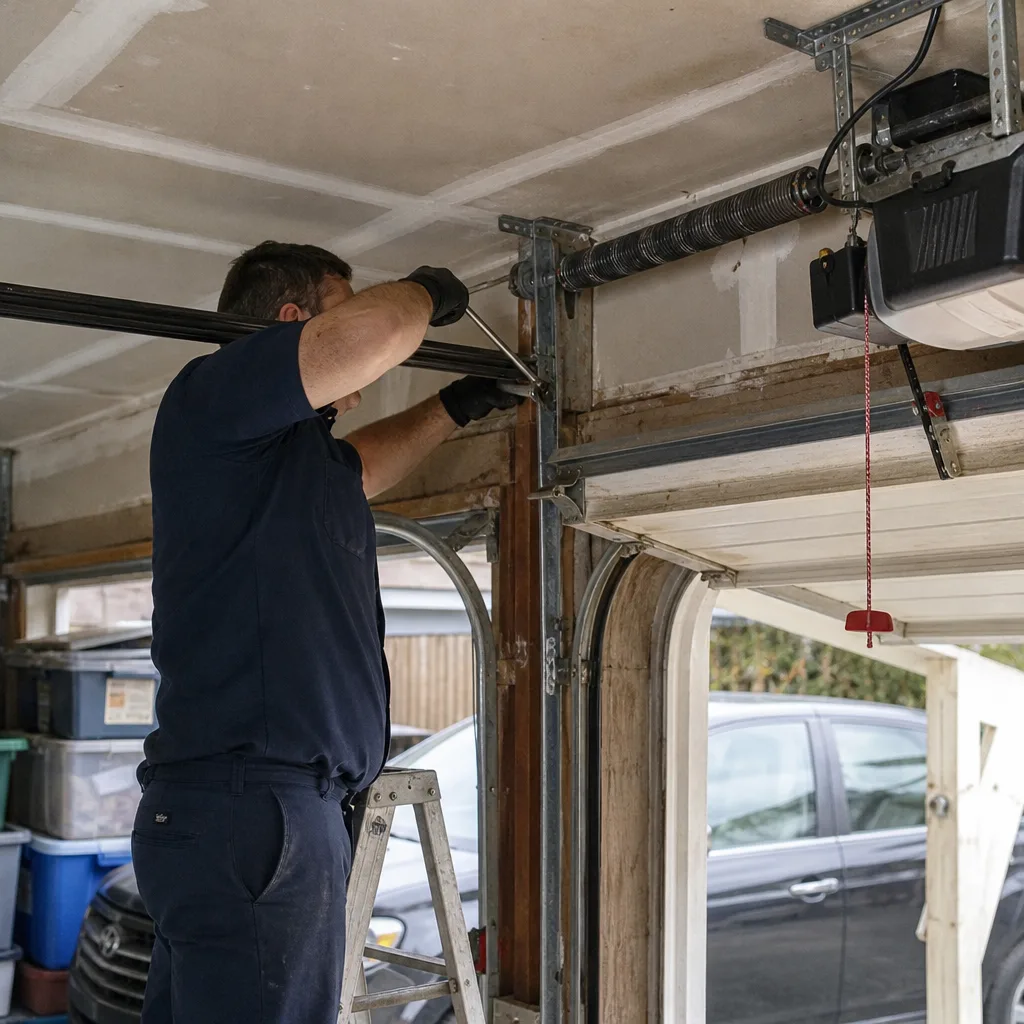 Before
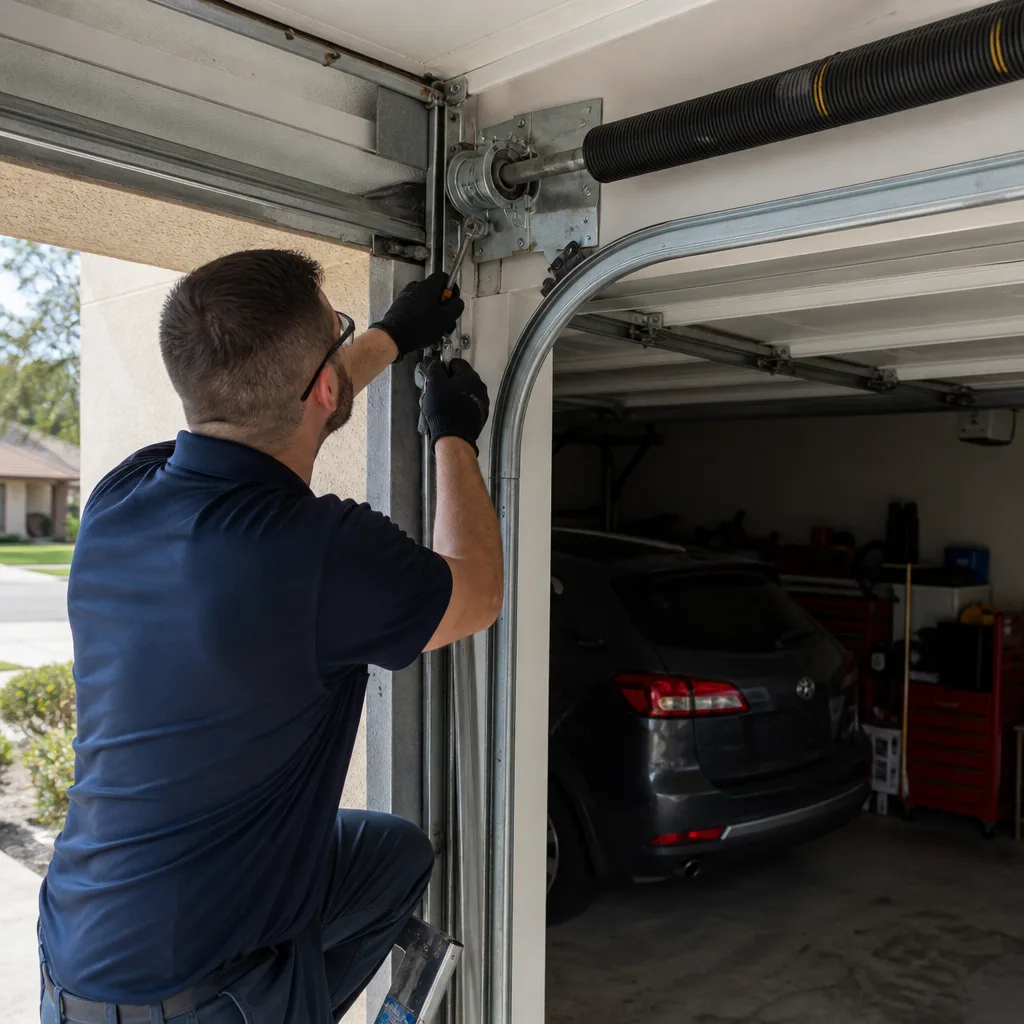 After
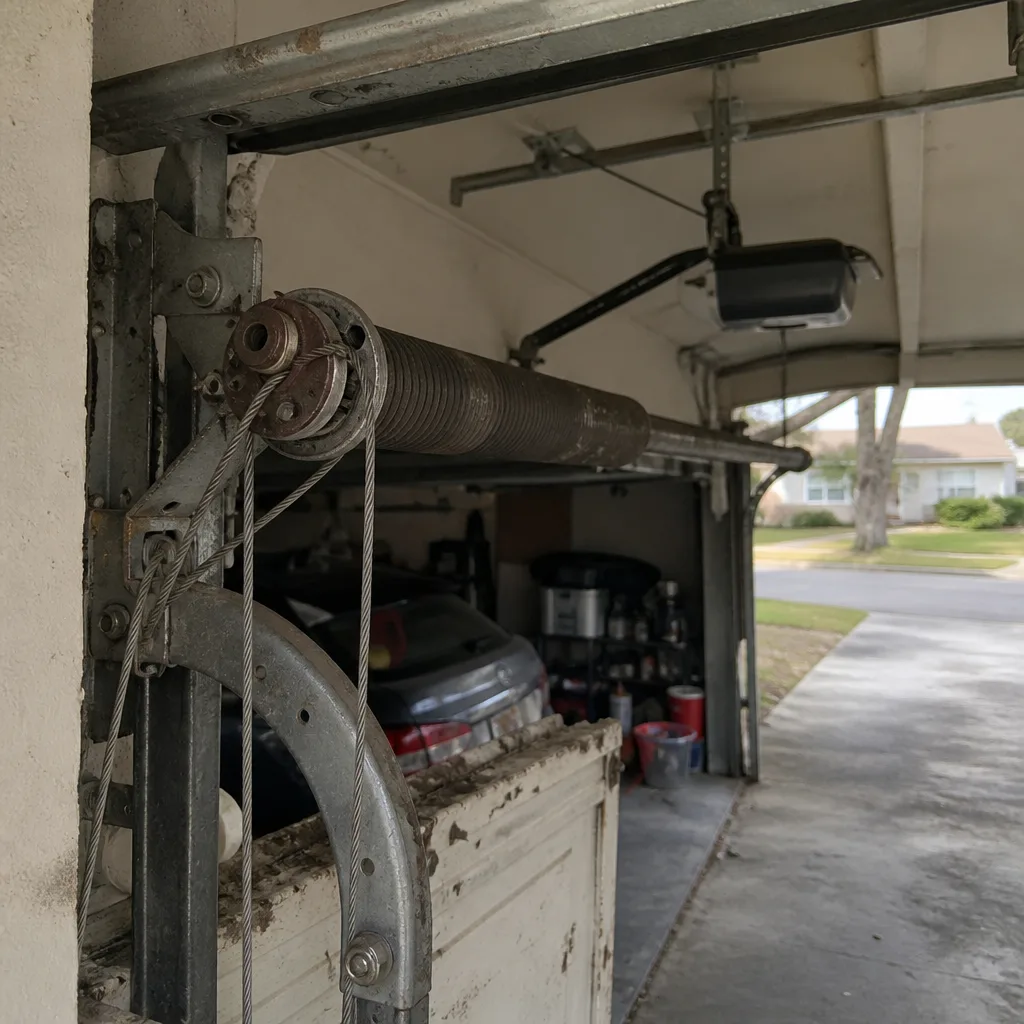 Before
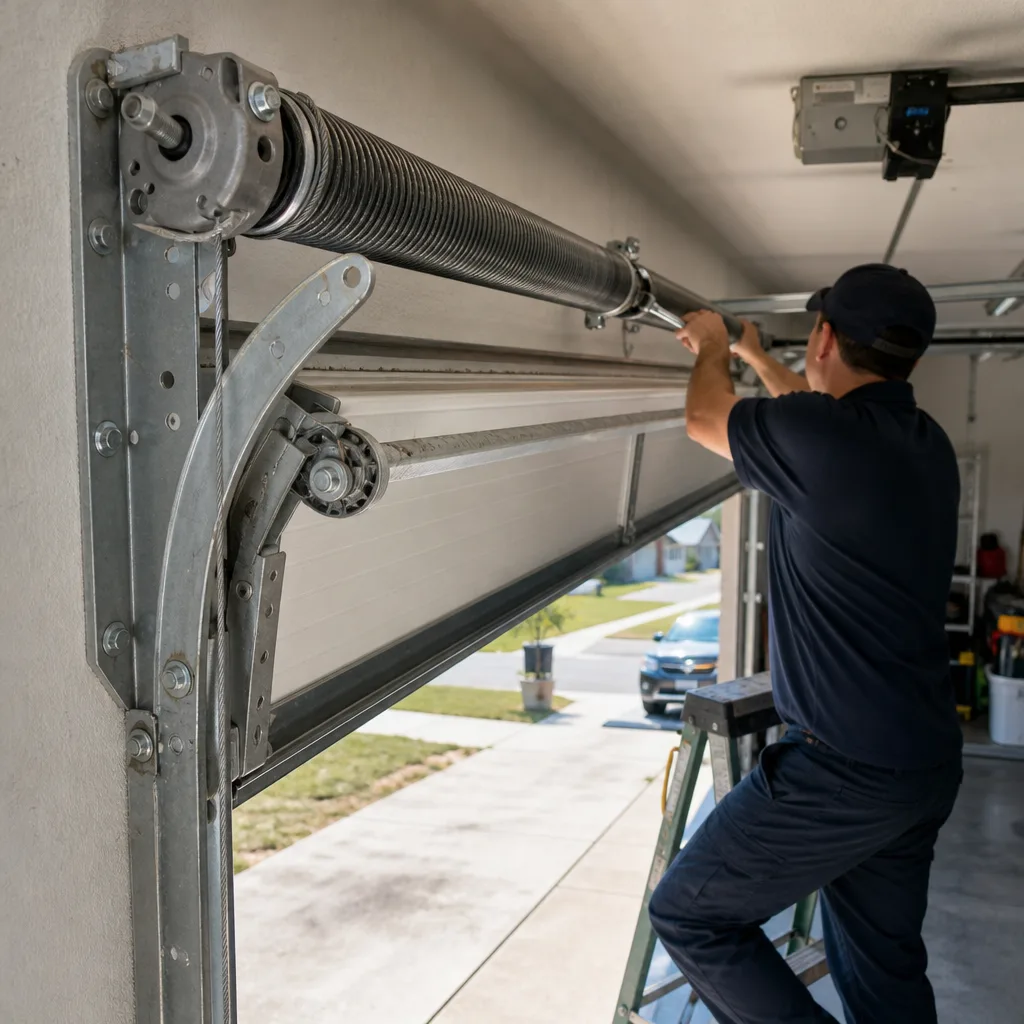 After
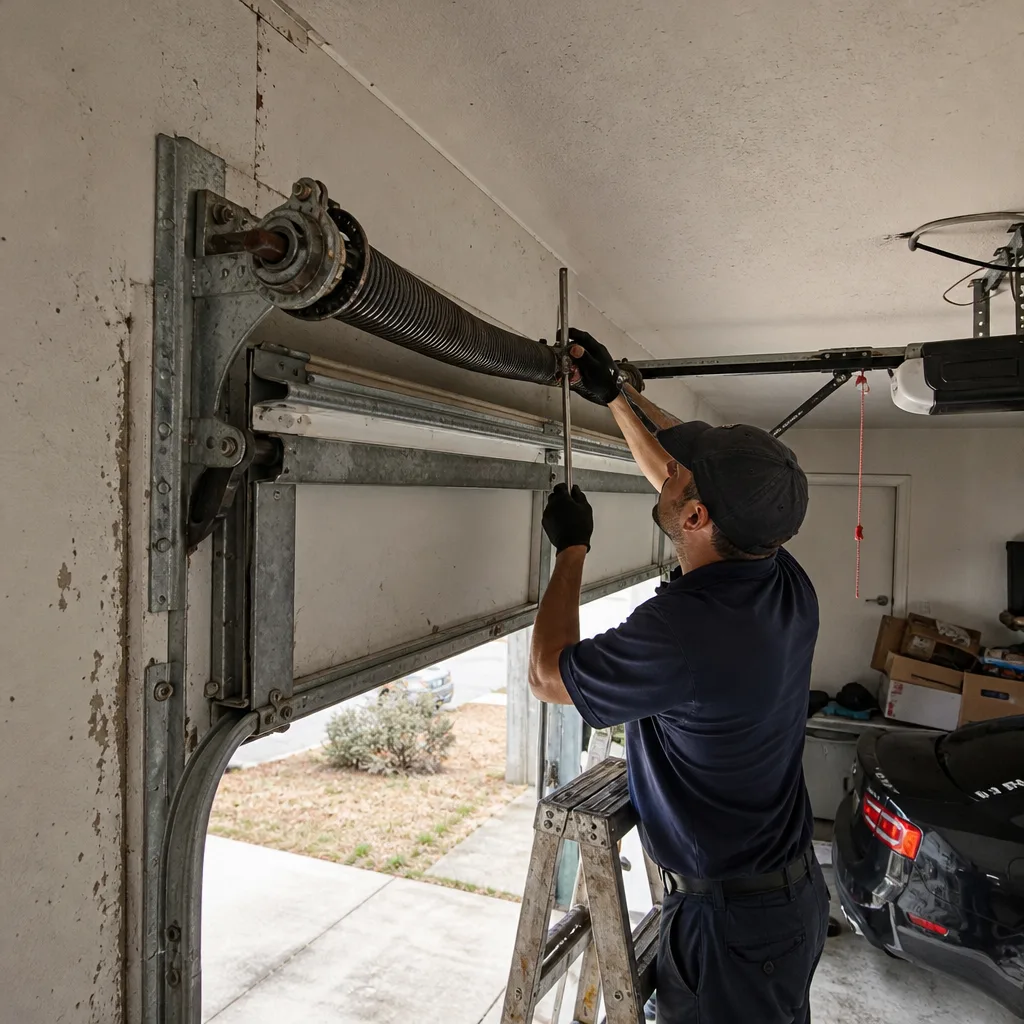 Before
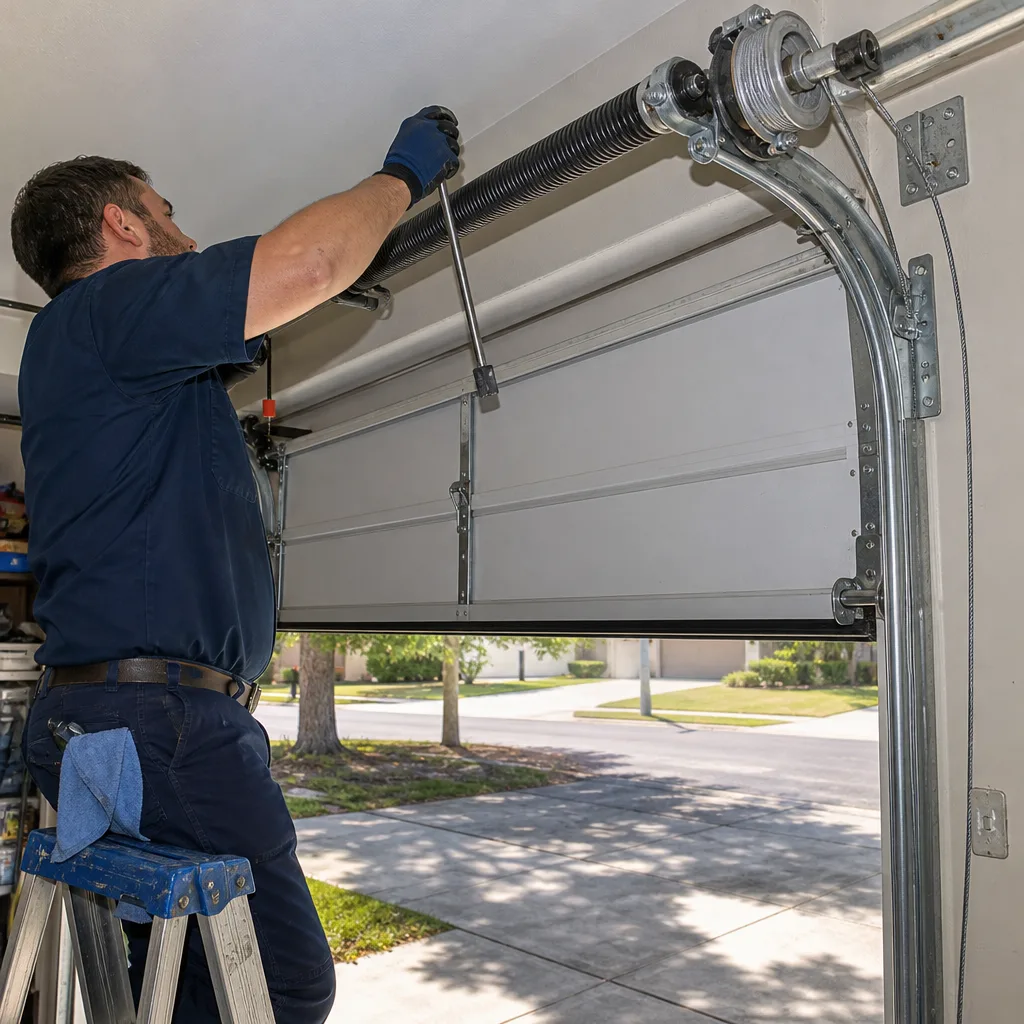 After