
Last updated October 31, 2026
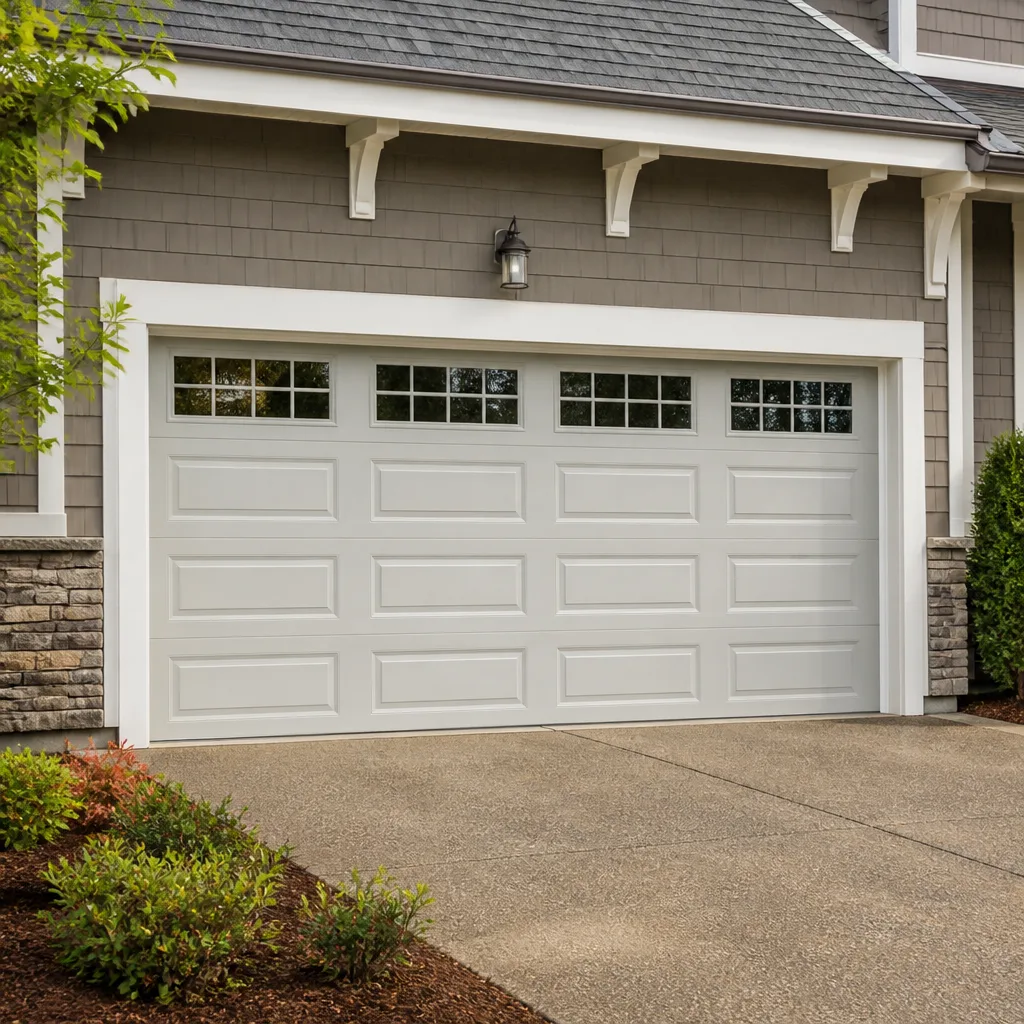 Raised-panel steel
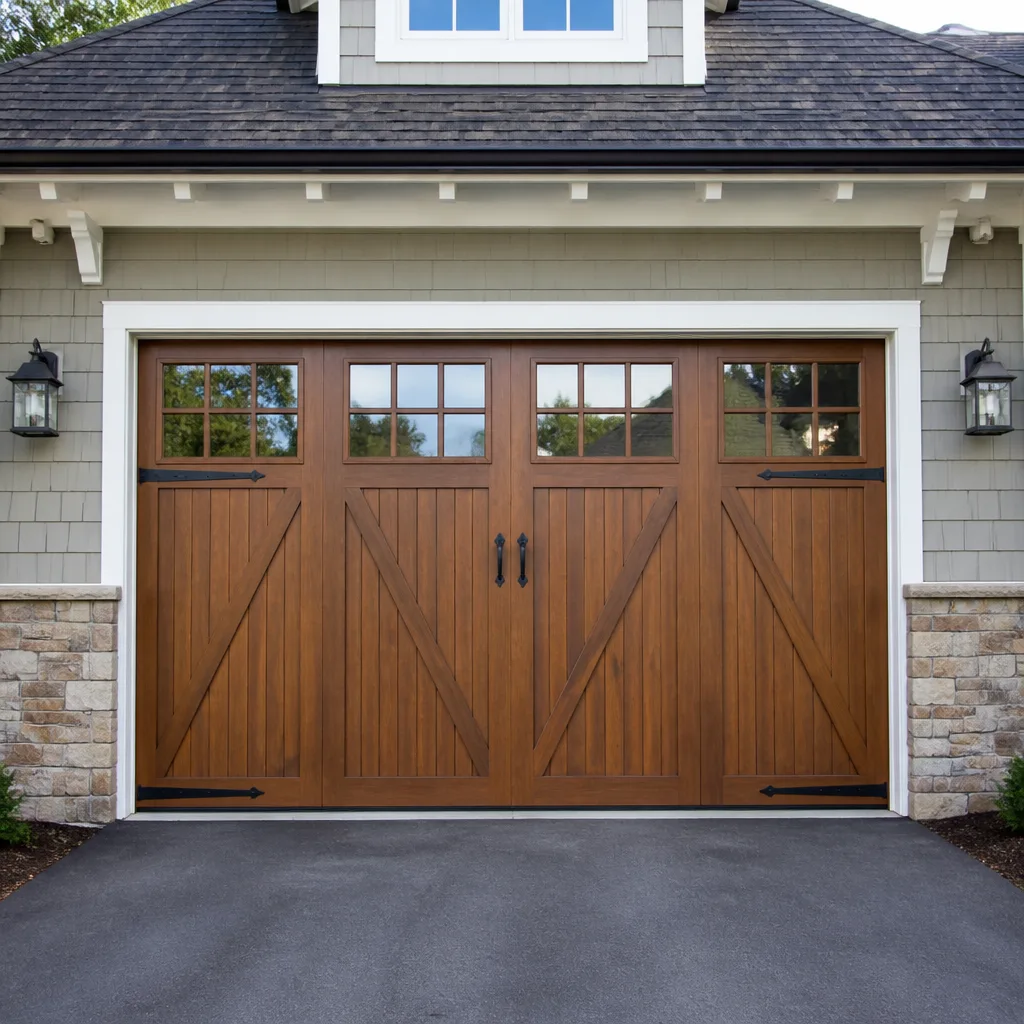 Carriage house
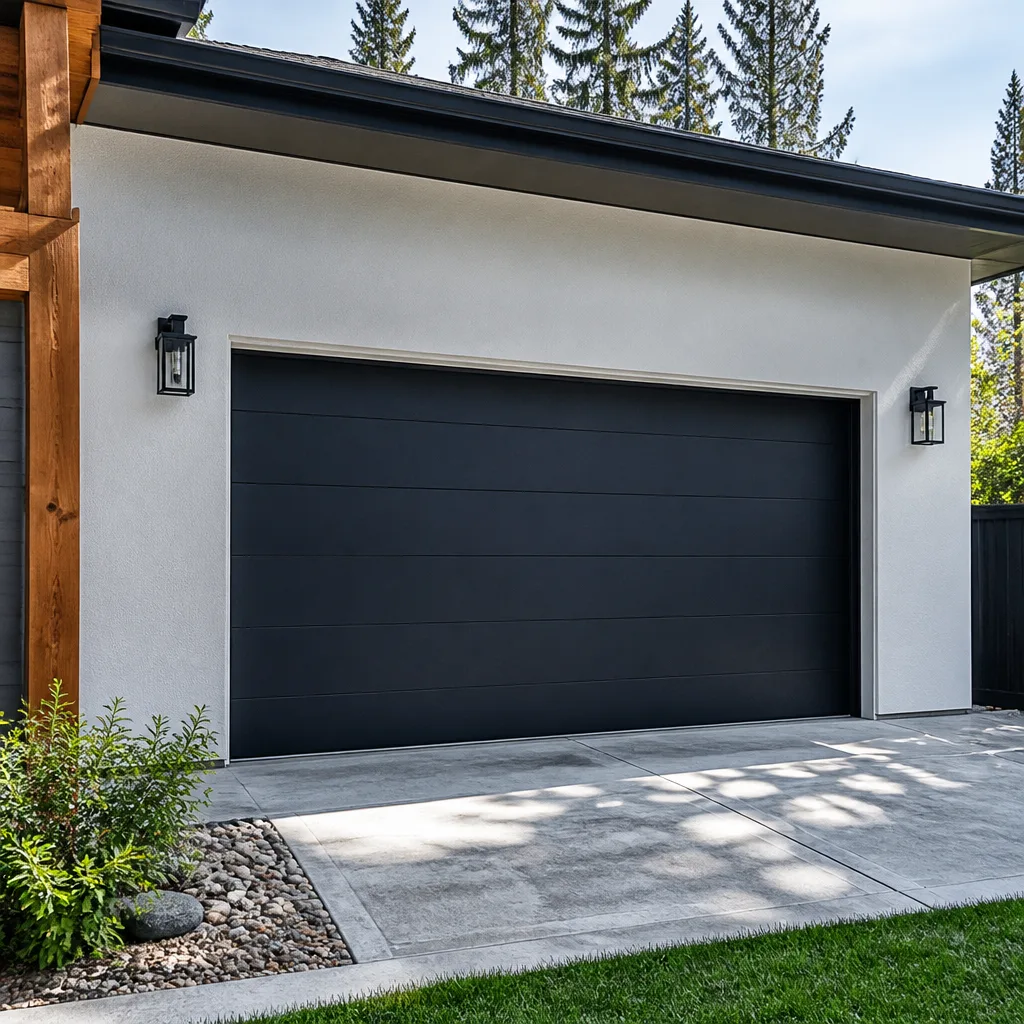 Modern flush
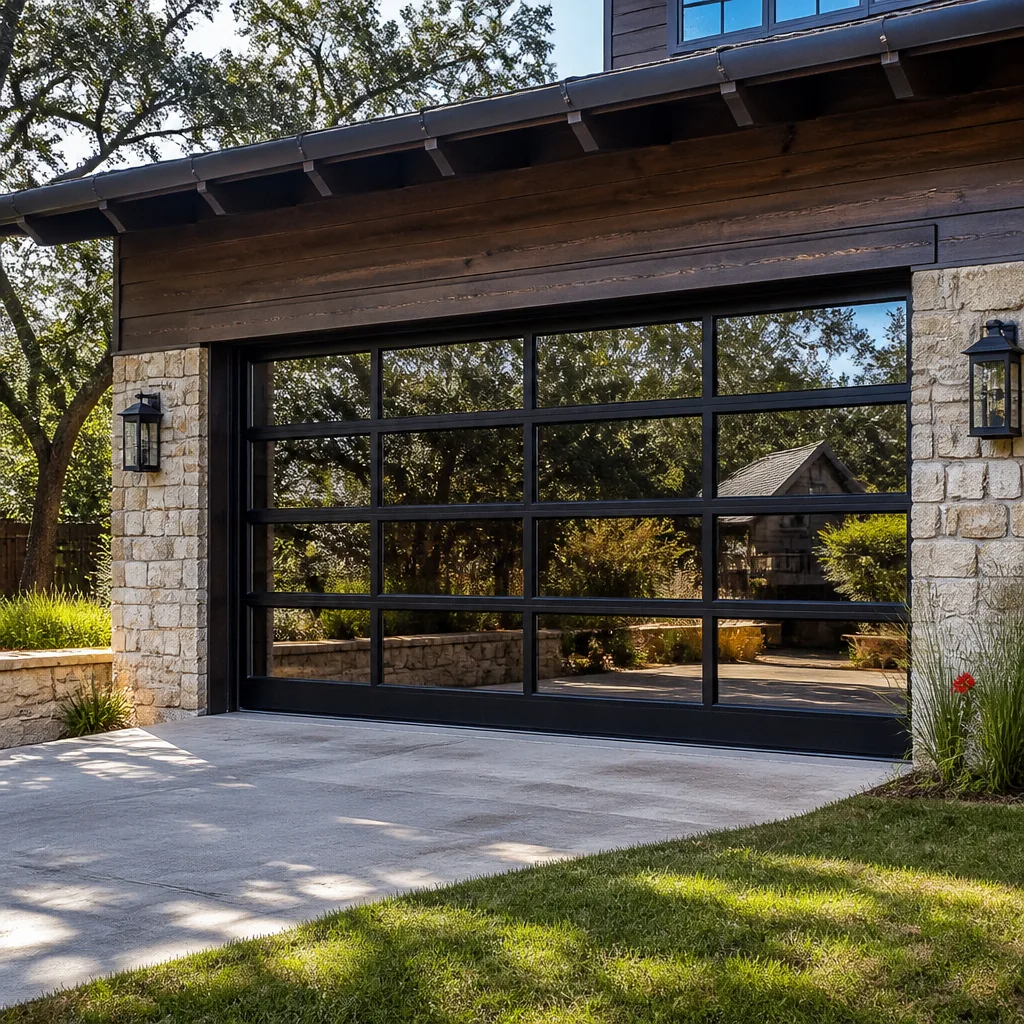 Full-view glass
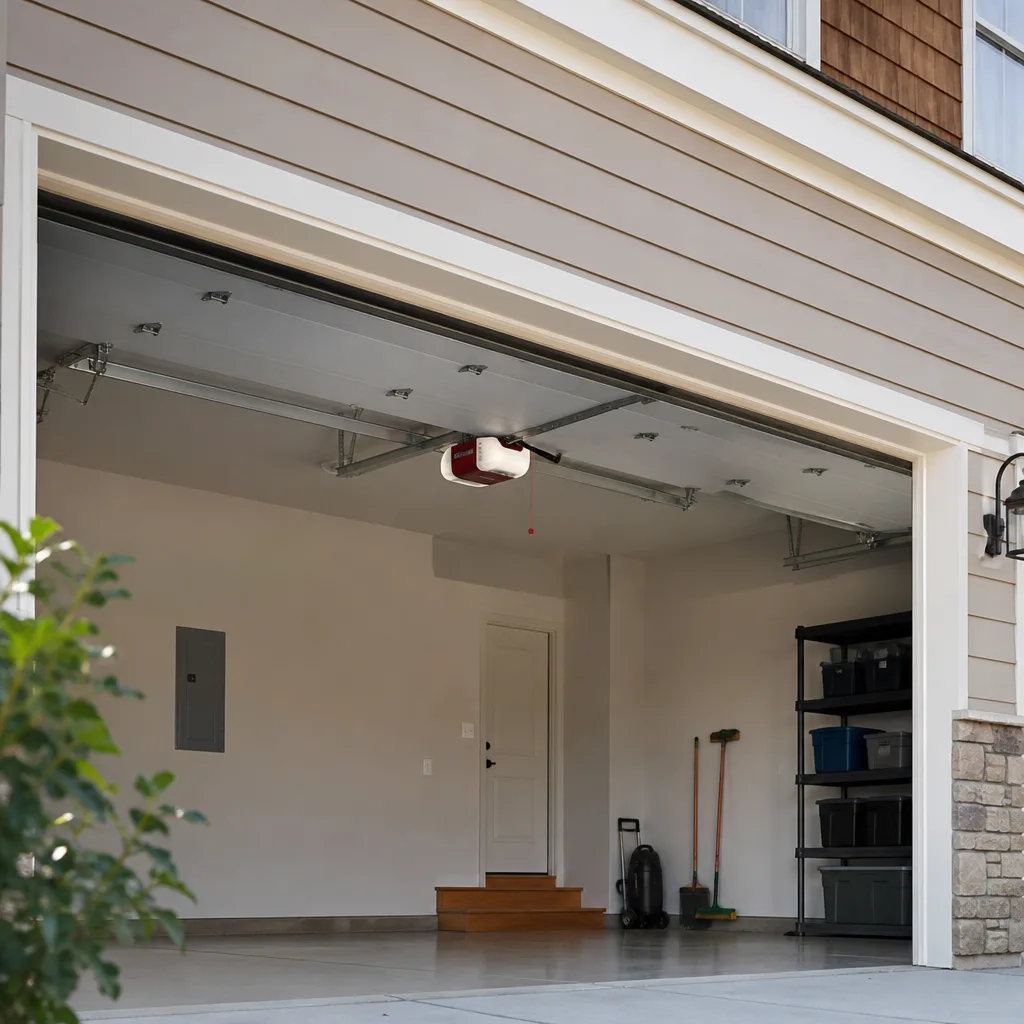 LiftMaster openers
 Chamberlain openers
Full 25-point door and opener safety check with every visit - springs, cables, rollers, tracks, and your LiftMaster or Chamberlain opener included
You get a price before we start. It does not change when the truck arrives.
Get your free estimateGarage Door Permits, Codes & Inspections in FL: What You Need to Know
Every year in Kissimmee, we get calls from homeowners who replaced a garage door six months ago, listed their house for sale, and only then discovered the work was never permitted. The buyer’s title search flags it. The closing stalls. The seller pays double to fix it under deadline pressure. Florida’s garage door permitting rules catch people off guard because the trigger point is lower than most assume, and the consequences rarely surface at the moment of installation. They surface later, at the worst possible time, during a home sale or an insurance claim. This guide explains exactly what Florida code requires, where homeowners get tripped up, and how to stay ahead of it, and you can find more guides & resources in our blog.
Styles & brands we work with
Quick Answer
A garage door permit in Florida is required any time the door is replaced, not repaired, and the permit must be pulled before the old door comes off. The work must meet Florida Building Code Section 1609 wind-load requirements, and the installer must provide Florida Product Approval documentation showing the specific door model passed wind testing. Skipping the permit risks fines, insurance claim denial on wind damage, and a title encumbrance when you sell.
Table of Contents
- Florida Garage Door Permit Requirements: The Actual Trigger Points
- Wind-Load Code: What Florida Building Code 1609 Actually Requires
- Florida Product Approval Numbers: The Documentation You Must Have
- Like-for-Like Replacement vs. New Opening: Why It Matters in Osceola County
- Unpermitted Garage Door Work: What Happens at Point of Sale
- HOA Overlay: When Kissimmee HOAs Add Rules on Top of County Code
- The Inspection Process: What the Inspector Actually Checks
- Common Mistakes to Avoid
- When to Call a Professional
- Frequently Asked Questions
- The Bottom Line
Florida Garage Door Permit Requirements: The Actual Trigger Points
Florida treats garage doors as structural building components, not cosmetic fixtures. That classification changes everything about when a permit is required. Under the Florida Building Code, any replacement of an exterior garage door requires a permit, full stop. Repairs do not. The distinction hinges on what gets altered.
Here is the practical breakdown we use when a Kissimmee homeowner asks “do I need a permit for this?”:
- Panel replacement only, same frame and track: Generally considered a repair. No permit needed.
- Spring replacement, cable replacement, roller replacement: Repair work. No permit required. This accounts for mostgarage door repair in Lakeland Highlands and surrounding areas.
- Opener motor replacement: If the opener is being swapped for a new unit in the same location, many Florida jurisdictions do not require a permit. When wiring or a new circuit is added, an electrical permit may apply. This is where garage door opener repair in Lakeland Highlands typically splits service calls from full replacements.
- Full door replacement, same size and opening: Permit required. The old door comes out, a new door goes in, and the county wants to verify wind-load compliance.
- New opening created, or opening enlarged or moved: Permit required, plus structural review. The wall is load-bearing. This is a fundamentally different scope from replacement.
The rule that trips up most homeowners: repairing a door never requires a permit, but replacing one does, even if the new door looks identical to the old one. The county does not care that you bought the same model from the same manufacturer. What changed is the certification trail. The old door was permitted under the code version in effect when it was installed. The new door must be re-verified under current wind-load standards.
Wind-Load Code: What Florida Building Code 1609 Actually Requires
Florida Building Code Section 1609 governs wind loads on structures, and garage doors are explicitly included. The code treats the garage door as the largest single opening in most homes, which makes it the most vulnerable point for wind-driven pressure during a hurricane or severe thunderstorm. A door that fails under wind pressure allows the storm inside, and once pressure equalizes or a gust hits the interior, the roof can lift. That is why the state regulates these doors more strictly than almost any other single exterior component.
What the code requires, in plain language:
- The door must be rated for the design wind speed of the specific location. Kissimmee sits in a wind-borne debris region, which means the requirement is stricter than in inland counties further north.
- The door must be tested and certified to withstand both positive and negative wind pressure. Wind pushing on the door is the obvious force; wind pulling the door outward as pressure drops on the exterior is the one that surprises people.
- Reinforcement struts may be required, depending on door width and height. A 16-foot-wide double door often needs a strut added to meet the rating. The manufacturer specifies this in the approval documentation.
- The installation must match the approved design. If the approval document specifies certain track brackets, gauge of steel, or anchor spacing, those details must be followed exactly.
In our experience working in Kissimmee and across Osceola County, the most common compliance failure is not the door itself, but the installation details. A door with a valid Florida Product Approval can still fail inspection if the installer anchored it differently than the approval requires. The inspector checks the door against the paperwork. When the paperwork and the installation do not match, the permit does not close.
Florida Product Approval Numbers: The Documentation You Must Have
Every exterior door product installed in Florida must carry a Florida Product Approval number. This is a state-issued certification confirming the product passed wind-load testing at an approved laboratory. The number looks like FL followed by a string of digits, and it corresponds to a specific product configuration, not just a brand or a model family.
Here is what many homeowners misunderstand: the approval number is not interchangeable between sizes, wind ratings, or reinforcement configurations. A Wayne Dalton door approved for a 140 mph wind zone is not automatically approved for a 150 mph zone. An Amarr door at 8 feet wide has a different approval than the same model at 16 feet wide. The approval is specific to the exact combination of product, size, reinforcement, and installation method.
When a permit is pulled in Osceola County, the installer must submit the Florida Product Approval documentation as part of the permit package. The homeowner should receive a copy of this document at installation. It should be filed with the permit and kept with the home’s records. If you sell the house, the buyer’s title company may ask for it. If you file a wind-damage insurance claim, the adjuster will ask for it. If you cannot produce it, you are trying to prove compliance without evidence.
We have handled installations across the full range of common Florida garage door brands, including Raynor and Craftsman products, and the approval paperwork is always product-specific. No installer can honestly tell you “it’s all fine” without the specific document for the specific door going into your specific opening.
Like-for-Like Replacement vs. New Opening: Why It Matters in Osceola County
The difference between a like-for-like replacement and a new opening sounds academic until the structural review comes back and your project is on hold for six weeks. In Osceola County, the distinction determines whether a structural engineer must review the plan.
Like-for-like replacement: The new door fits the existing opening with no modification to the framing, header, or surrounding wall. The permit is straightforward. The county verifies wind-load compliance, checks the Product Approval documentation, and schedules an inspection. This is the typical path when a homeowner replaces an aging door with a new one of the same dimensions.
New opening or modified opening: The header gets re-engineered. The wall framing changes. The load path from the roof down through the wall is altered. In Osceola County, this triggers a structural review, and depending on the scope, the county may require sealed engineering drawings. The permit process takes longer, costs more, and demands more documentation up front.
The practical takeaway for a Kissimmee homeowner: if your new door fits the existing opening, you are in the easy category. If you want to widen the garage opening, add a second door, or convert a single door to a double door, budget for engineering review and a longer approval timeline. Do not let anyone tell you it is “just a garage door” at that scope. It is a structural change to the most vulnerable wall of the house in a hurricane-prone state.
For homeowners weighing whether to repair or replace, the permit threshold matters. A full garage door installation in Lakeland Highlands triggers the permit process. A panel repair does not. We walk every customer through which category their job falls into before work begins, so there are no surprises at the permitting counter.
Unpermitted Garage Door Work: What Happens at Point of Sale
The invoice for unpermitted work arrives late, and it is never just the permit fee. Here is the sequence we see repeatedly in Kissimmee and across Osceola County.
When a home goes under contract, the buyer’s title company runs a lien and permit search. Municipal permitting records are public. If the county shows no permit for the garage door replacement, but the seller’s disclosure or the visual condition of the door clearly indicates a recent replacement, the title agent flags it. The buyer’s agent asks for the permit. The seller does not have one because it was never pulled.
At that point, one of three things happens:
- The closing is delayed. The seller must retroactively permit the work. This means hiring a contractor to assess the installation, correct any code deficiencies, pull the permit after the fact, and schedule an inspection. The county may require the door to be partially disassembled so the inspector can verify anchoring and wind-load details that are hidden after installation.
- The buyer demands a credit. Rather than delay closing, the buyer may negotiate a price reduction to cover the estimated cost of bringing the work into compliance. The seller eats the cost in the sale price.
- The deal dies. If the buyer’s lender refuses to fund until the permit issue is resolved, and the seller cannot resolve it quickly, the contract collapses. The house goes back on the market with a known title defect.
The retroactive permit process is more expensive than the original permit would have been. The contractor must correct anything that does not meet current code, and if the door was installed without Florida Product Approval documentation, the entire door may need to be replaced. A $1,200 unpermitted door replacement can become a $3,000 to $4,000 problem at closing. This is the single most common garage-door-related frustration we hear from Kissimmee realtors.
HOA Overlay: When Kissimmee HOAs Add Rules on Top of County Code
Municipal code is the floor, not the ceiling. In many Kissimmee-area communities, the HOA imposes additional requirements that operate entirely separately from the county permit. A permit from Osceola County does not satisfy an HOA that requires architectural review committee approval for exterior changes. The HOA can and does fine homeowners who skip this step, even when the county permit is fully approved and closed.
What we see in practice across Kissimmee communities:
- Color and style restrictions. Many HOAs require garage doors to match a specific palette or material finish. A white door on a home where the HOA mandates carriage-house styling will get flagged, despite being code-compliant.
- Approval before installation. The HOA typically requires submission of the door’s specifications, including the Florida Product Approval number and a photo or rendering, before installation. Installation without HOA approval can trigger a demand to remove and replace the door at the homeowner’s cost.
- Insurance and contractor requirements. Some HOAs require contractors working in the community to provide proof of insurance before the work begins. This is above and beyond anything the county asks for.
- Wind-load standards above county minimums. A small number of Kissimmee HOAs, particularly in newer master-planned communities, specify wind-load ratings higher than the county baseline. The county permit may be satisfied, but the HOA is not.
The order of operations that avoids problems: check your HOA covenants first, pull the county permit second, and install third. Reversing steps two and three, or skipping step one entirely, is how homeowners end up with a code-compliant, HOA-violating door that has to come out.
The Inspection Process: What the Inspector Actually Checks
Florida garage door permits close with a field inspection. The inspector visits the property after installation and verifies the work matches the approved permit documents. This is not a rubber stamp. Here is what the inspector is looking for, in practical order:
- Product verification. The installed door must match the Florida Product Approval submitted with the permit. Same manufacturer, same model, same size, same wind rating. If the installer substituted a different door, the inspection fails.
- Reinforcement placement. If the approval document requires struts, the inspector checks that they are installed at the specified locations and secured correctly. A strut in the wrong position is a failed inspection.
- Anchoring and fasteners. Track brackets, jamb brackets, and header anchors must match the approved installation details. The inspector verifies fastener type and spacing.
- Wind-load signage. Florida code requires certain wind-load rating information to be permanently marked on the door or its frame. The inspector confirms the label is present and legible.
- Opener safety compliance. When an opener is involved, the inspector checks for photo-eye sensors, auto-reverse function, and proper mounting. UL 325 compliance is part of Florida code.
- Final condition. The door must operate smoothly, seal properly, and show no obvious installation defects that would compromise wind resistance.
A failed inspection is not the end of the project. The installer returns, corrects the deficiency, and schedules a re-inspection. But every re-inspection adds time and, depending on the installer, cost. This is why the installer’s documentation discipline matters as much as their technical skill. The door itself can be installed perfectly, and the permit will still fail if the paperwork does not match the product on the wall.
Common Mistakes to Avoid
- Skipping the permit because “it’s just a garage door.” Florida code does not share that opinion. A garage door is the largest exterior opening on most homes, and unpermitted replacement creates a title defect that surfaces at sale.
- Buying a door online and hiring a generalist to hang it. The door may carry a Florida Product Approval, but if the installing handyman does not know how to anchor it per the approval document, the inspection fails. We see this specific problem regularly with online-purchased doors in Kissimmee.
- Ignoring the HOA until after installation. County permits and HOA covenants are separate systems. A code-approved door that violates HOA style rules still has to be replaced, and the HOA is not required to reimburse you for the county-permitted door you already bought.
- Failing to keep the Product Approval paperwork. This document matters at sale and at insurance claim time. File it with your closing documents when the permit closes. If you lose it years later, you will be chasing the installer or the county records office under deadline pressure.
- Assuming an opener replacement never needs a permit. A simple motor swap usually does not. But if the opener installation involves new wiring, a new circuit, or relocation of the unit, an electrical permit may apply. Kissimmee contractors will tell you which category your job falls into.
- Widening an opening without engineering review. Converting a single garage door to a double door alters the load path on the garage wall. In Osceola County, this triggers structural review. Trying to do it under a basic permit will stall the project when the county catches it.
- Hiring the lowest bidder and not verifying their permit process. A contractor who quotes a garage door replacement without mentioning permits is either uninformed or planning to skip them. In Florida, a legitimate quote includes the permit cost and timeline.
When to Call a Professional
There are garage door tasks a competent homeowner can handle, like lubrication and sensor alignment. Permitting is not one of them. If you are replacing a door in Kissimmee, the permit package, the Product Approval documentation, and the inspection coordination are all part of the job. A professional installer handles all three. If you inherited an unpermitted door from a previous owner and are now selling, a professional can assess whether the existing installation will pass a retroactive inspection or whether corrections are needed first. If your HOA has flagged your door, a contractor familiar with Kissimmee community requirements can help you navigate the compliance path. Journeyman Garage Door Repair offers free estimates in Kissimmee – call (833) 589-8916 and we’ll tell you exactly what your job requires before any work begins.
Frequently Asked Questions
Yes. Florida Building Code treats garage door replacement as a structural change requiring a permit, regardless of whether the new door matches the old one. Repairs, including spring and panel replacement, generally do not require a permit. Call (833) 589-8916 to confirm which category your project falls into.
Permit fees in Osceola County vary by project scope and valuation, typically falling in a range that makes the permit itself a minor cost relative to the door. The larger cost is non-compliance: retroactive permits, corrections, and title defects at sale cost far more than the original permit would have. You will know the exact fee before we start – the price is quoted and agreed before any work begins.
Yes, Florida allows retroactive permitting, but the process is more invasive and more expensive. The installer must assess the hidden anchoring and wind-load details, correct any deficiencies, and schedule an inspection. In some cases the door must be partially disassembled for the inspector to verify compliance.
The buyer’s title search will flag the missing permit. You will face one of three outcomes: a delayed closing while you retroactively permit the work, a price credit demanded by the buyer, or a collapsed deal if the lender refuses to fund. Most Kissimmee realtors advise resolving permit issues before listing.
Yes. Kissimmee-area HOAs operate on top of county code, not instead of it. Many require architectural review of the door’s style, color, and material before installation, and some impose wind-load standards above the county minimum. A county permit does not satisfy HOA requirements.
A Florida Product Approval number is state-issued certification that a specific door product, in a specific size and configuration, passed wind-load testing. It must be submitted with the permit application and verified at inspection. Without it, the door cannot be permitted, and unpermitted work creates the title and insurance problems described throughout this guide.
The Bottom Line
Florida treats garage doors as structural components, and the permitting system enforces that classification. The door is the largest opening in your home’s wind-resistance envelope. The code requirements exist because a failed door in a hurricane allows the storm inside, and the roof follows. A permitted, inspected door with proper Product Approval documentation protects more than your house; it protects your insurance standing, your sale timeline, and your equity. Skip the permit, and the bill just arrives later, bigger, and on someone else’s deadline. In Kissimmee, the path to staying ahead of it is straightforward: verify HOA rules, pull the permit, and work with an installer who knows the difference between compliant and “probably fine.” For ongoing care, see our Garage Door Repair Maintenance Checklist for Kissimmee Homeowners.
Written by the team at Journeyman Garage Door Repair, serving Kissimmee since 2011.
See the difference
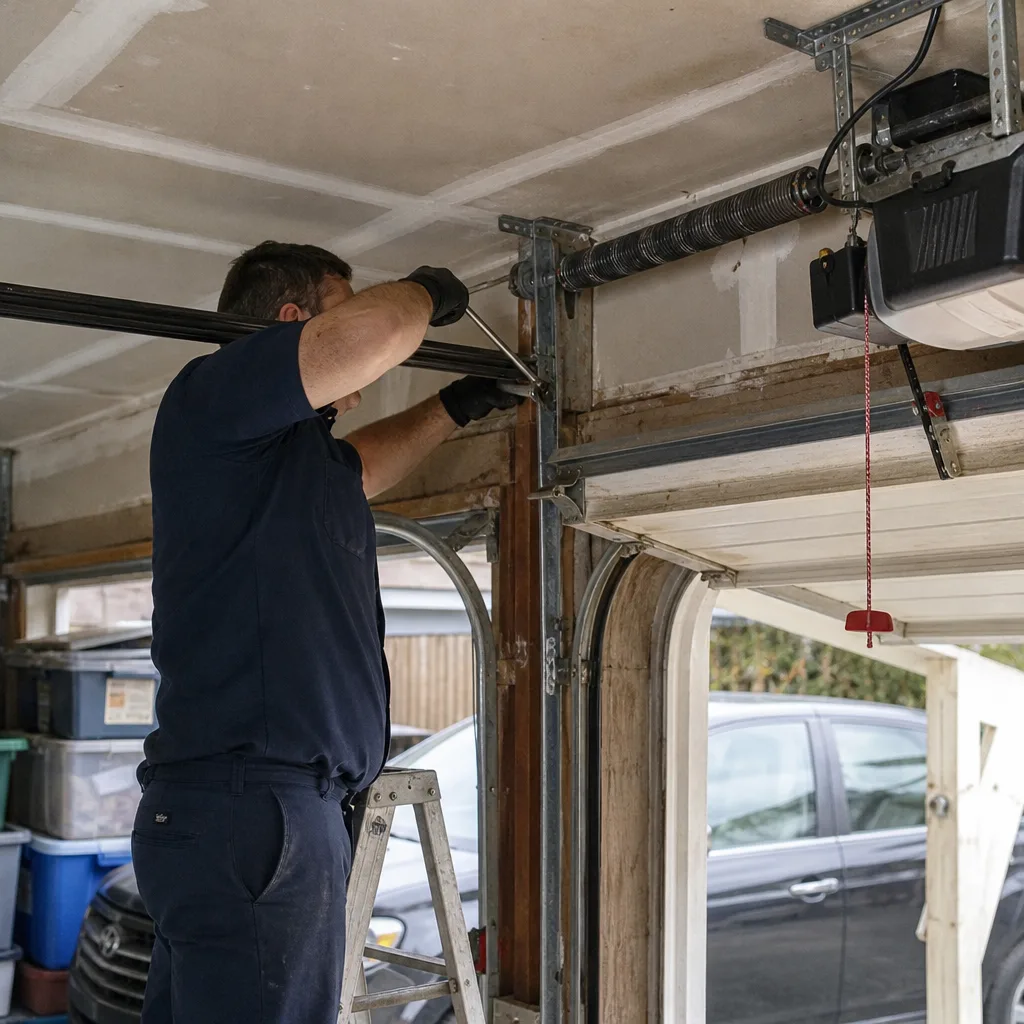 Before
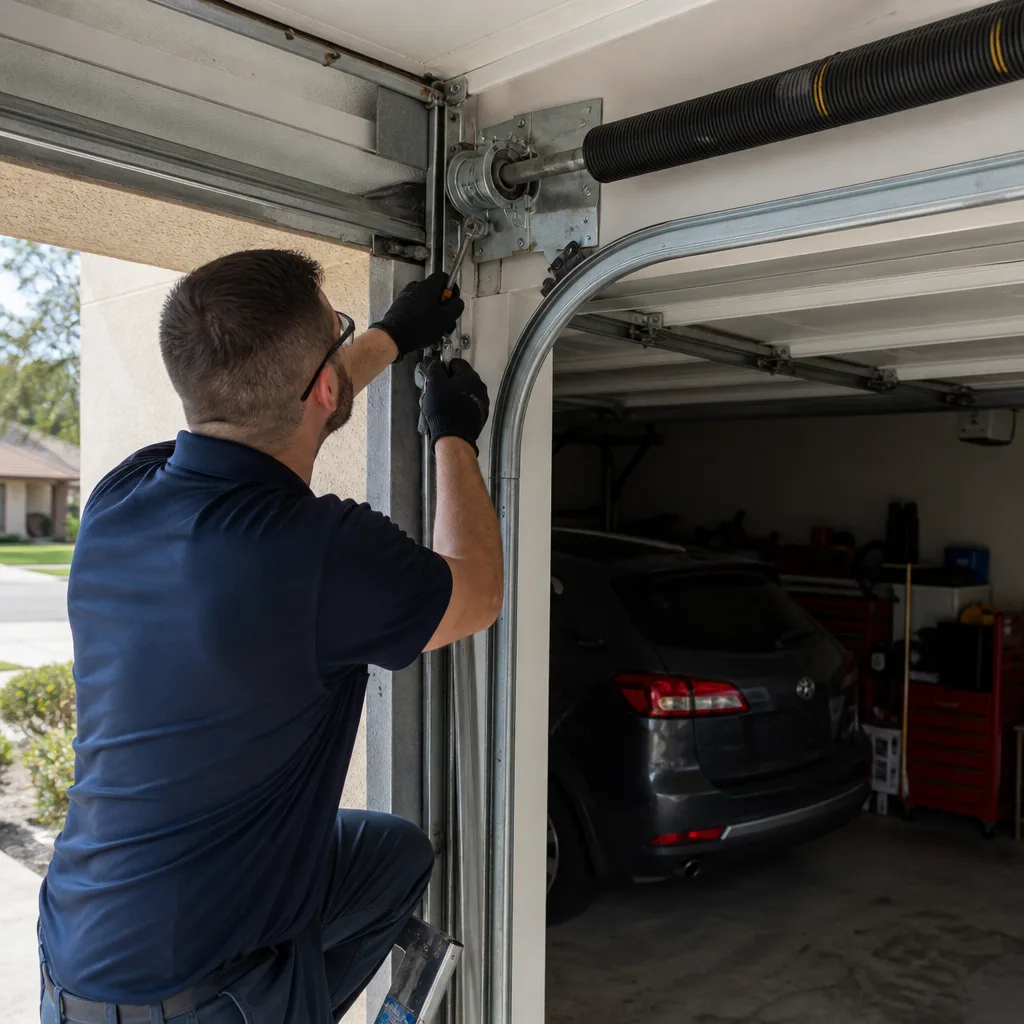 After
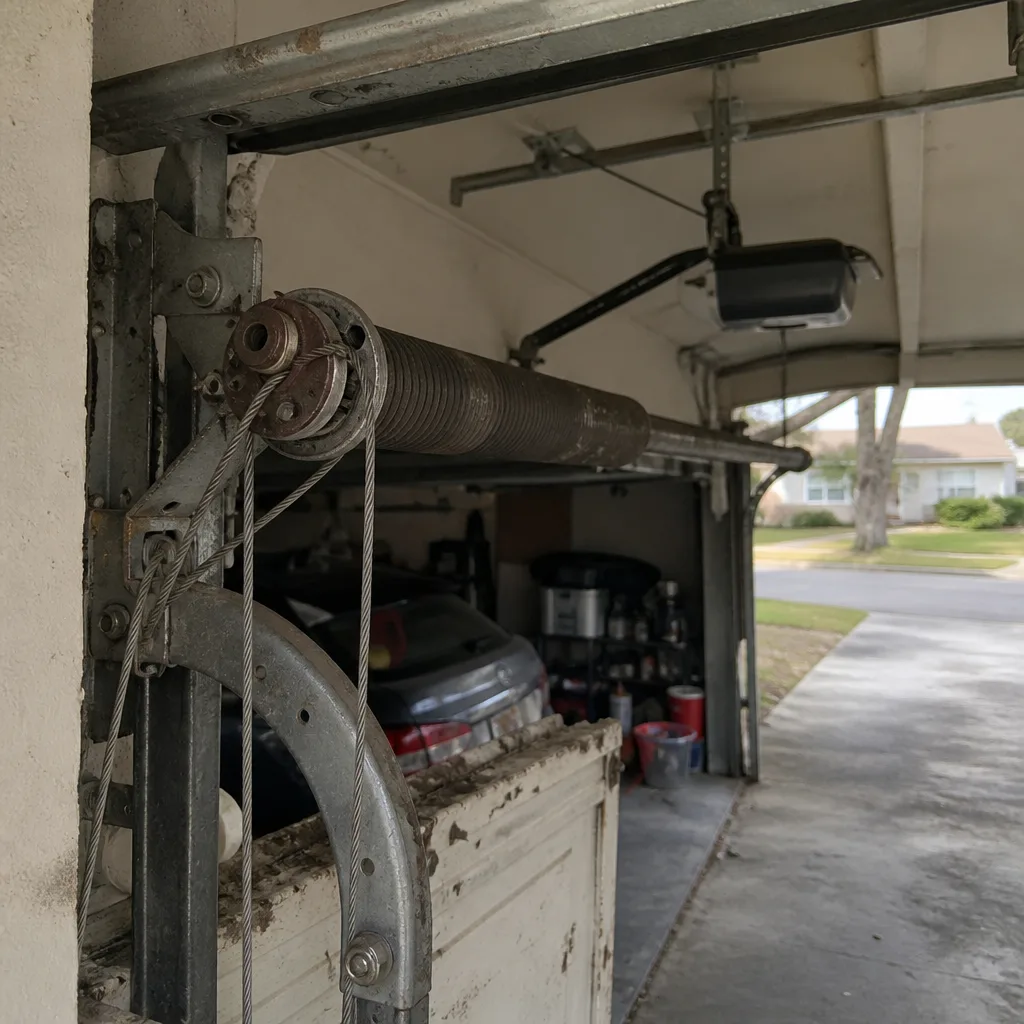 Before
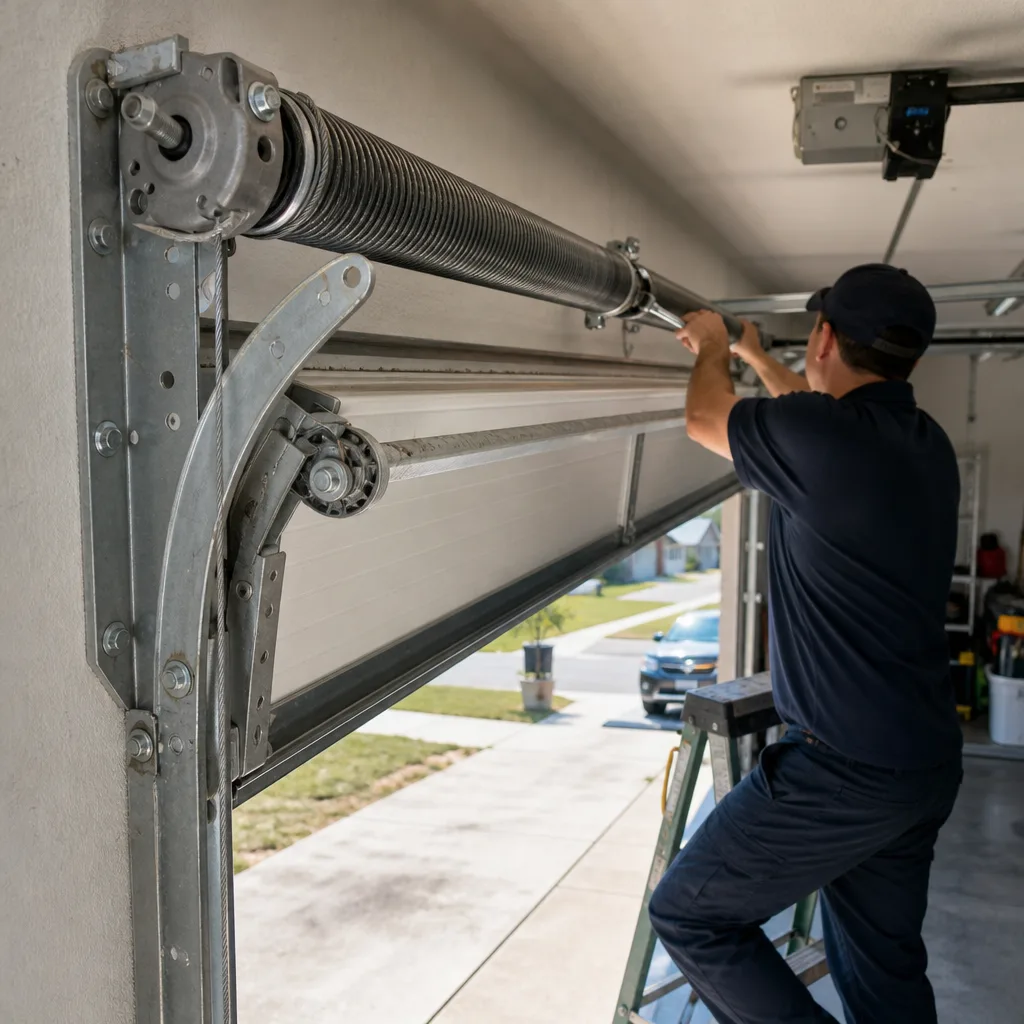 After
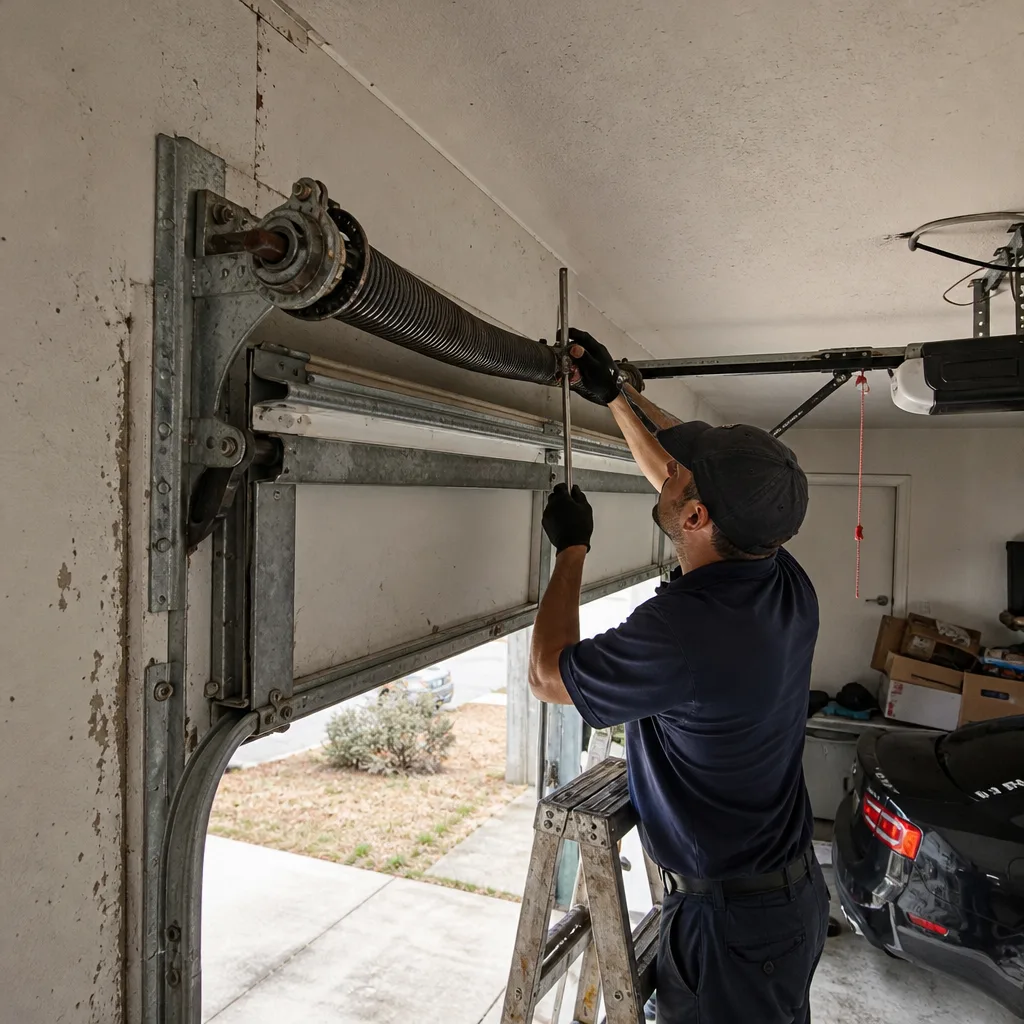 Before
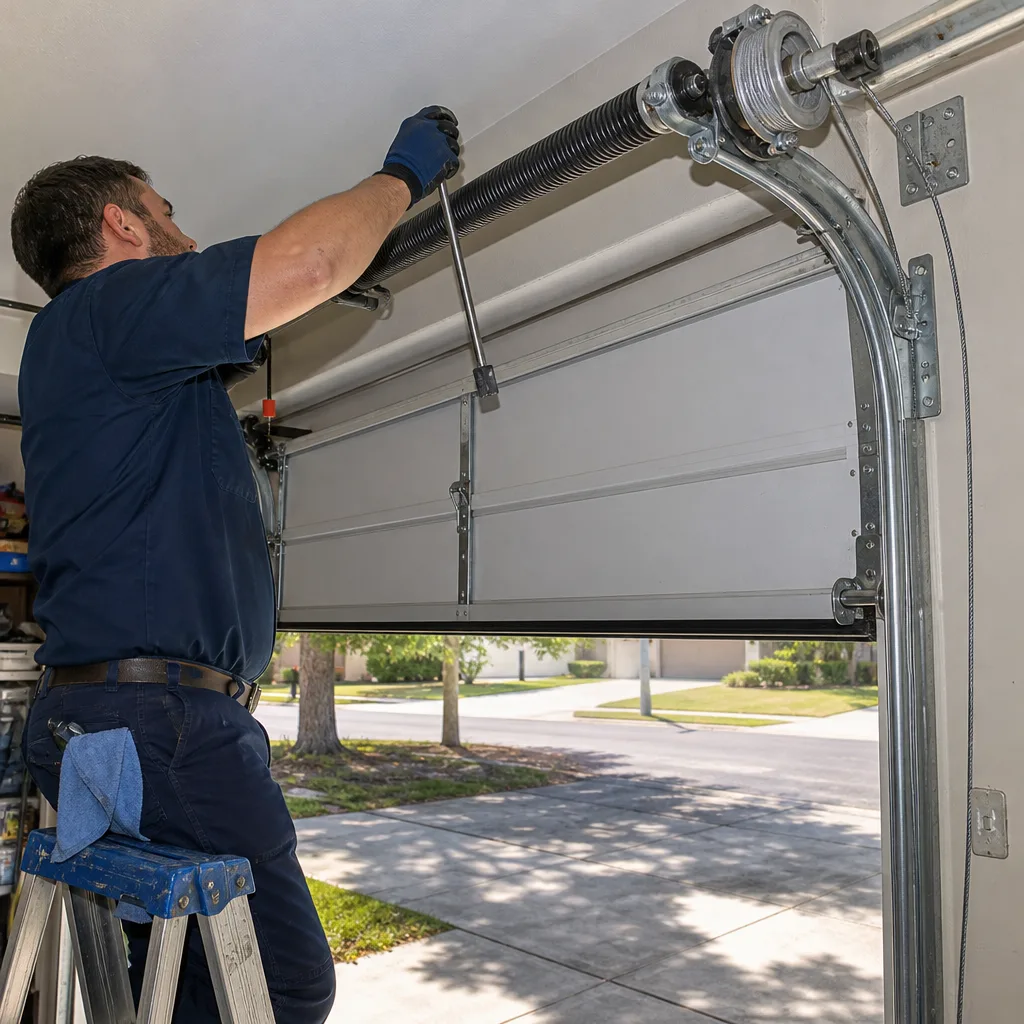 After