Last updated October 31, 2026
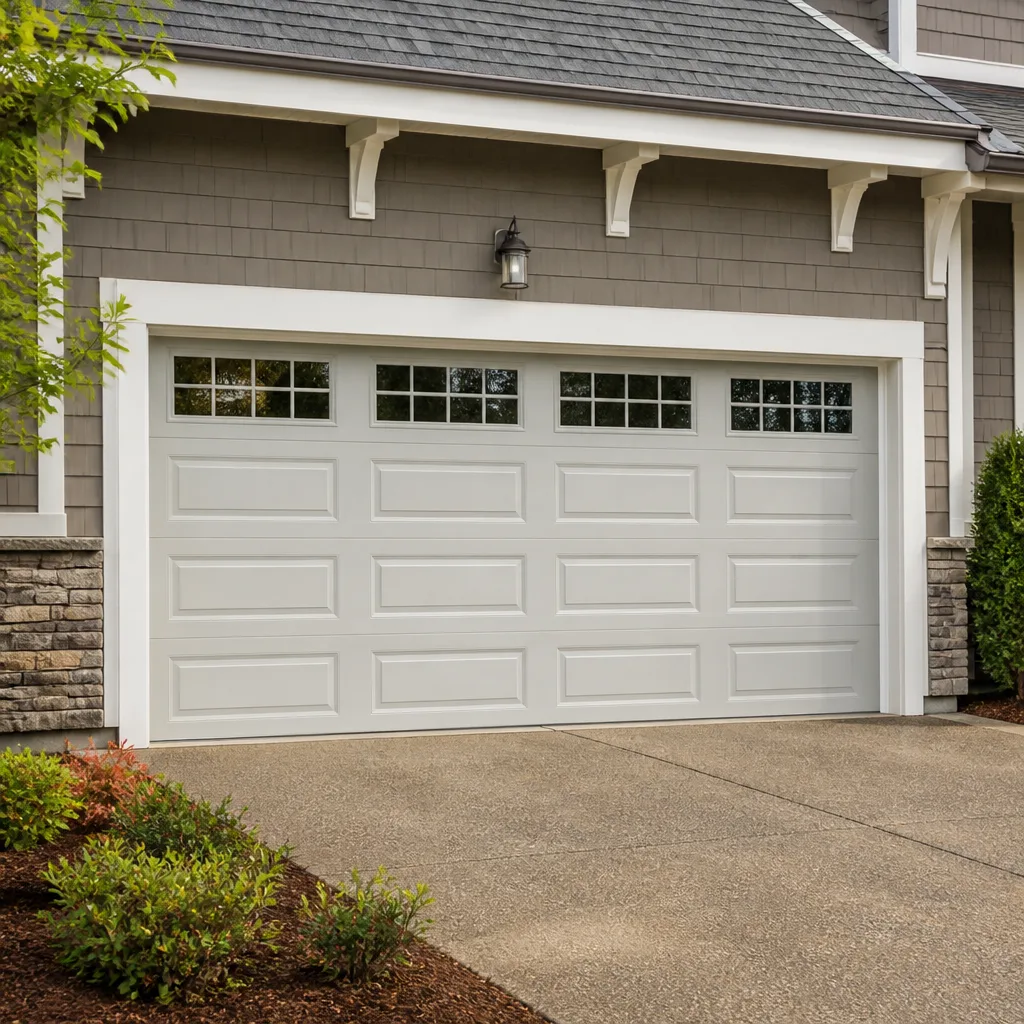 Raised-panel steel
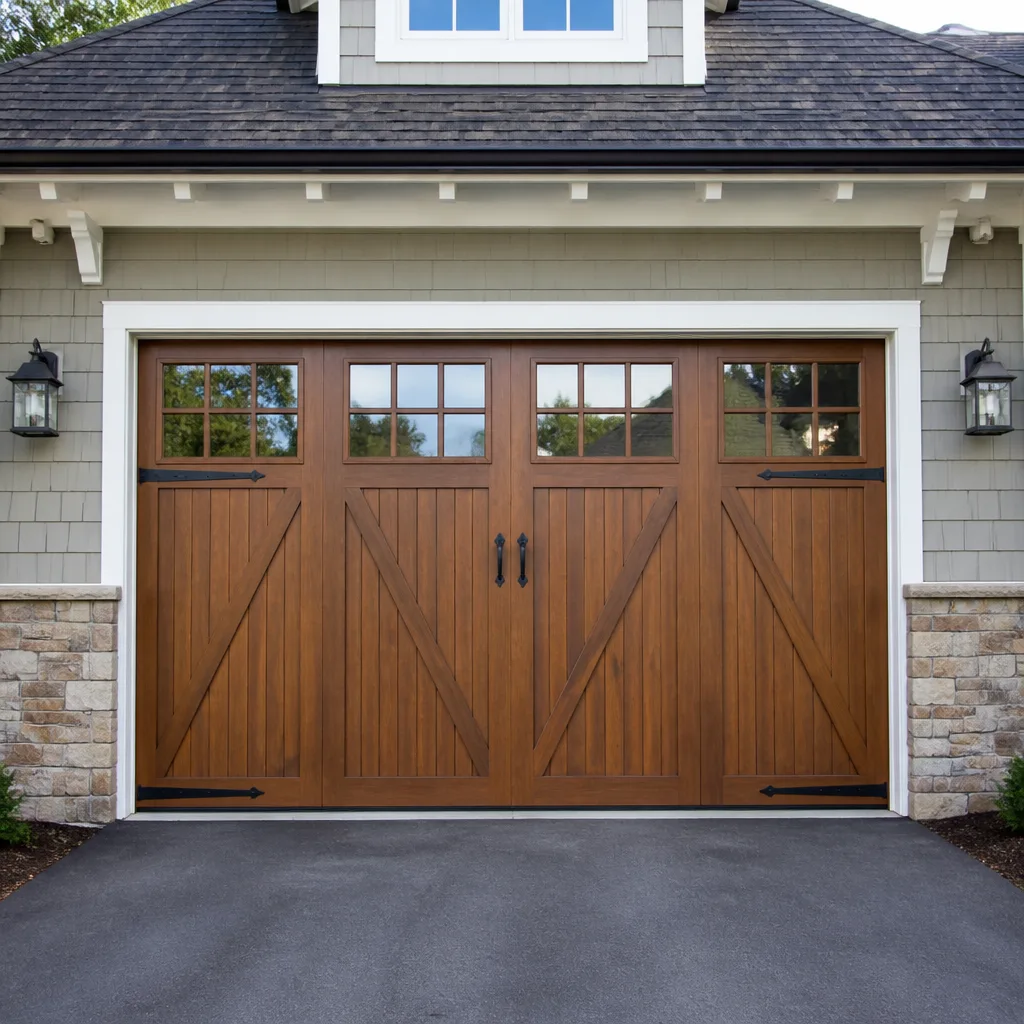 Carriage house
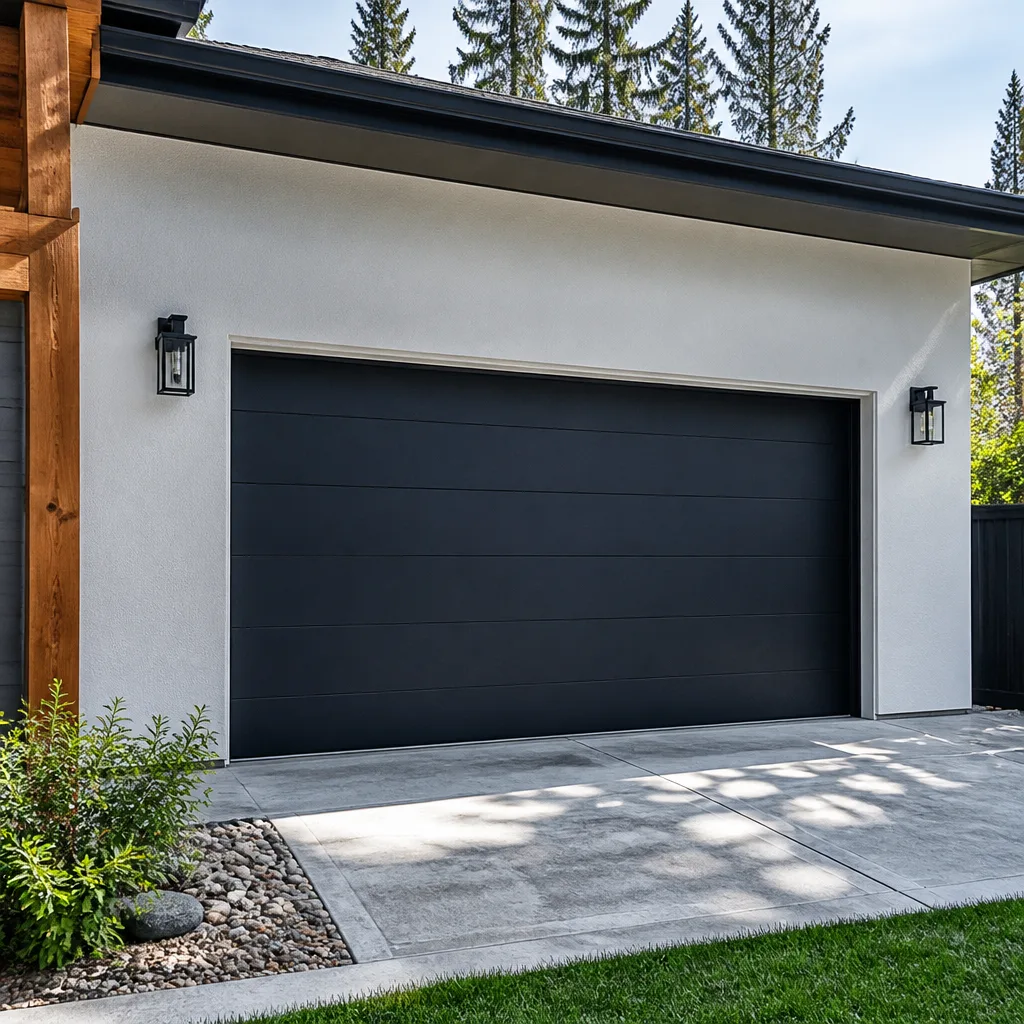 Modern flush
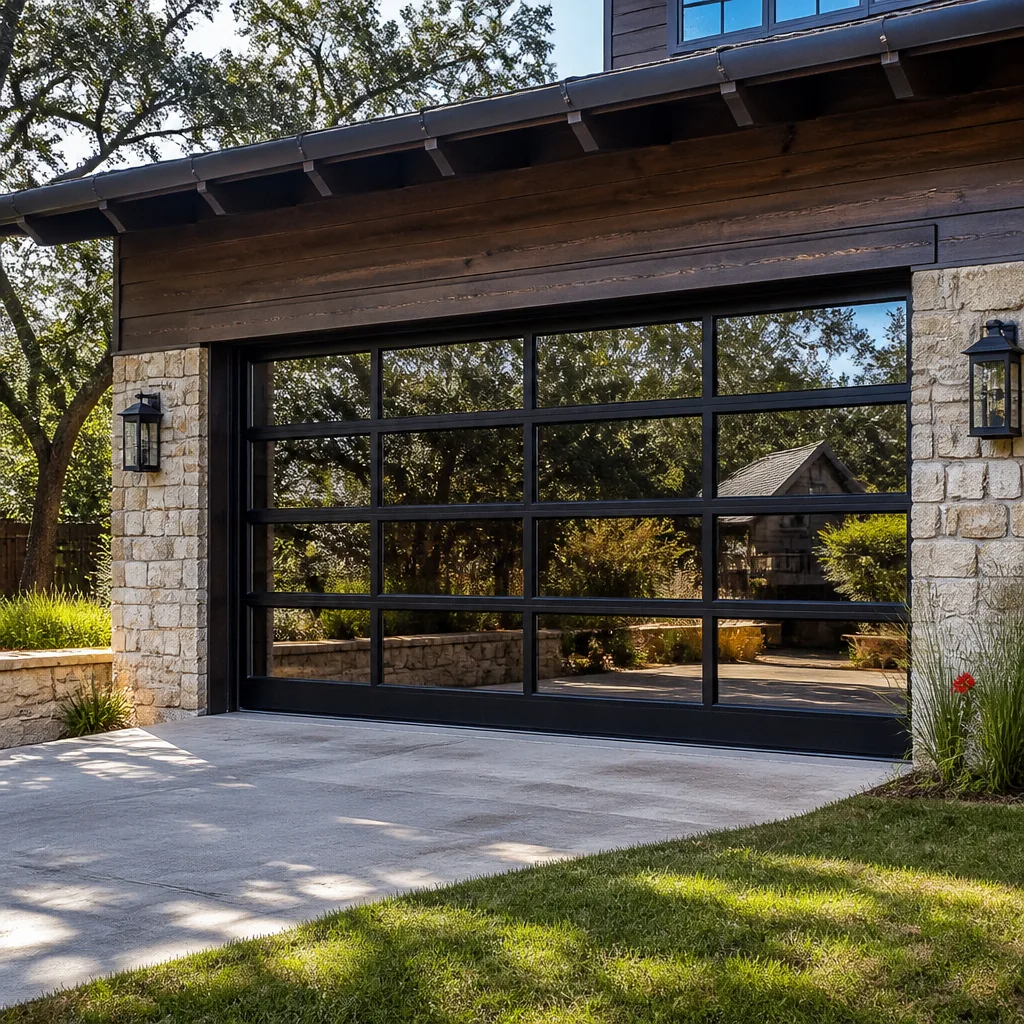 Full-view glass
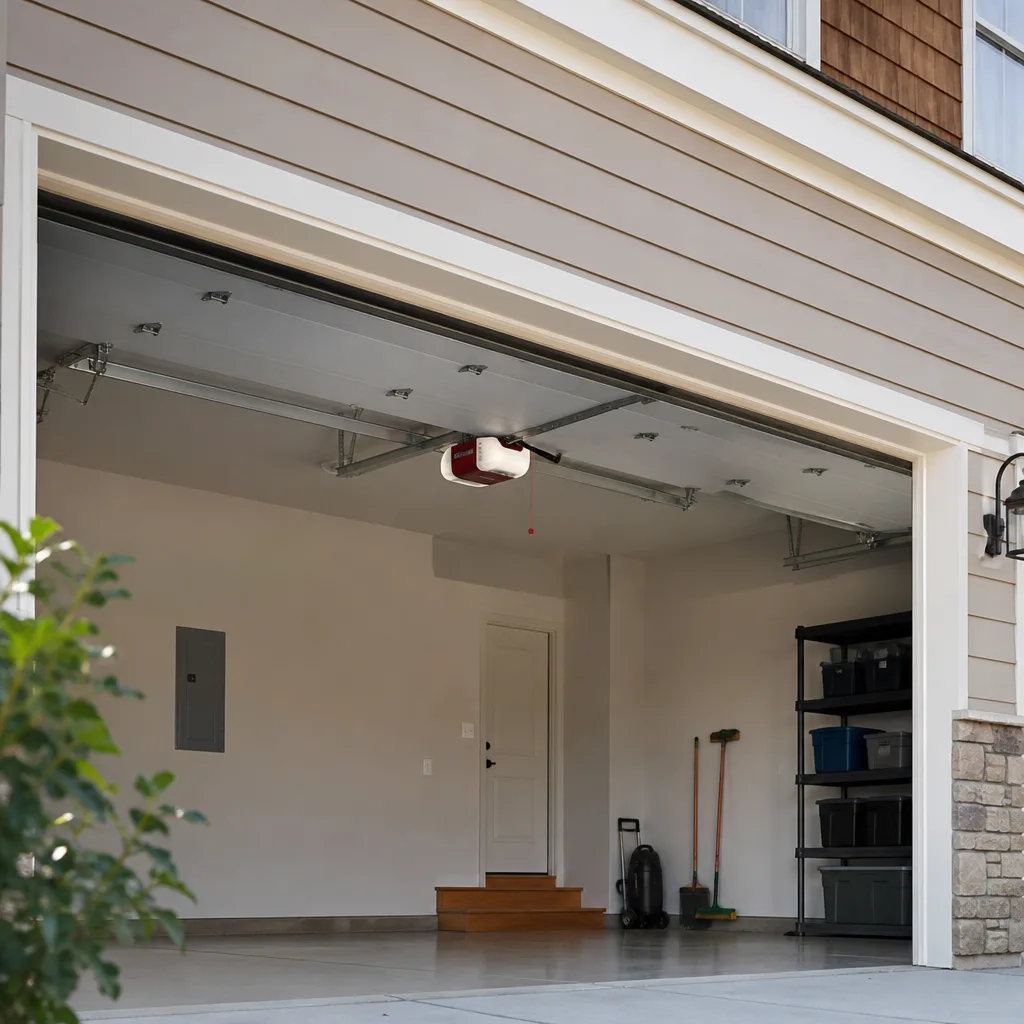 LiftMaster openers
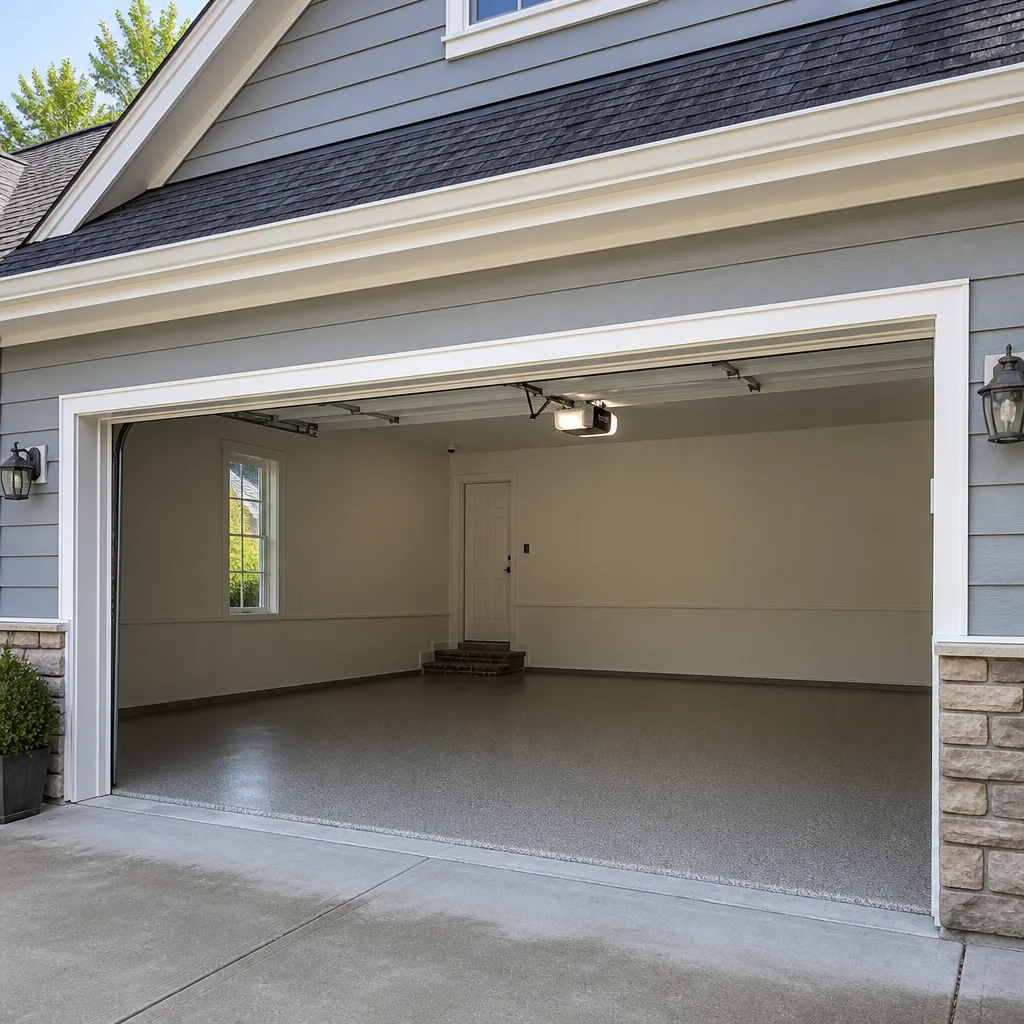 Chamberlain openers
Full 25-point door and opener safety check with every visit - springs, cables, rollers, tracks, and your LiftMaster or Chamberlain opener included
You get a price before we start. It does not change when the truck arrives.
Get your free estimateGarage Door Emergency Preparedness Guide for Kissimmee Homes
When a garage door fails in the path of a named storm, the standard advice – “call a tech in the morning” – doesn’t work. Most Kissimmee homeowners have no backup plan for securing a 16-foot opening against 90+ mph winds, and the gap between noticing a problem and having a solution is where real damage happens. In Kissimmee, a garage door emergency isn’t just a broken spring at an inconvenient time. It’s a potential security breach, a hurricane vulnerability, and in some cases a structural risk. Having a decision tree in place before it happens is the difference between a contained problem and a compounding one. This guide covers what to do in the first 24 hours after a failure, how to secure your door when a storm is hours out, what to document for insurance, and the questions to ask any technician before they touch your door. For Garage Door Repair Troubleshooting: Common Problems and How to Fix Them, see our dedicated resource.
Quick Answer
The most important thing you can do for a garage door emergency in Kissimmee is prepare before it happens: know how to manually operate your door during a power outage, keep a storm-securing kit ready, and know which situations require immediate professional dispatch versus next-business-day service. Our Garage Door Repair Maintenance Checklist for Kissimmee Homeowners covers the full pre-season routine. If your door fails during a storm threat or prevents you from securing your home, that’s an emergency. If a spring breaks but the door is closed and locked, you have time. Either way, call (833) 589-8916 for a free estimate and an honest assessment from a garage door specialist before making any permanent decisions.
Styles & brands we work with
Table of Contents
- Why Kissimmee Faces Unique Garage Door Emergencies
- The 24-Hour Decision Window After a Door Failure
- Manual Operation During a Power Outage
- Securing Your Door Before a Storm Arrives
- What to Document for Insurance
- Questions to Ask Any Technician
- Building a Kissimmee Garage Door Emergency Kit
Why Kissimmee Faces Unique Garage Door Emergencies
Kissimmee sits in a part of Central Florida where the garage door is often the largest single opening in a home’s exterior envelope. When that opening is compromised, the house is compromised. The combination of hurricane season pressure cycling, daily heat-and-humidity swings that accelerate spring metal fatigue, and afternoon thunderstorms that can roll in with little warning means this region puts more stress on garage door components than most of the country. We’ve worked on doors in neighborhoods across Kissimmee – from the lakefront communities along Toho to the newer developments off Pleasant Hill Road – and in our experience, failures rarely happen at a convenient time. They happen when the door is up, when the car is halfway through, or when the power has been out for four hours and the humidity has turned the garage into an oven.
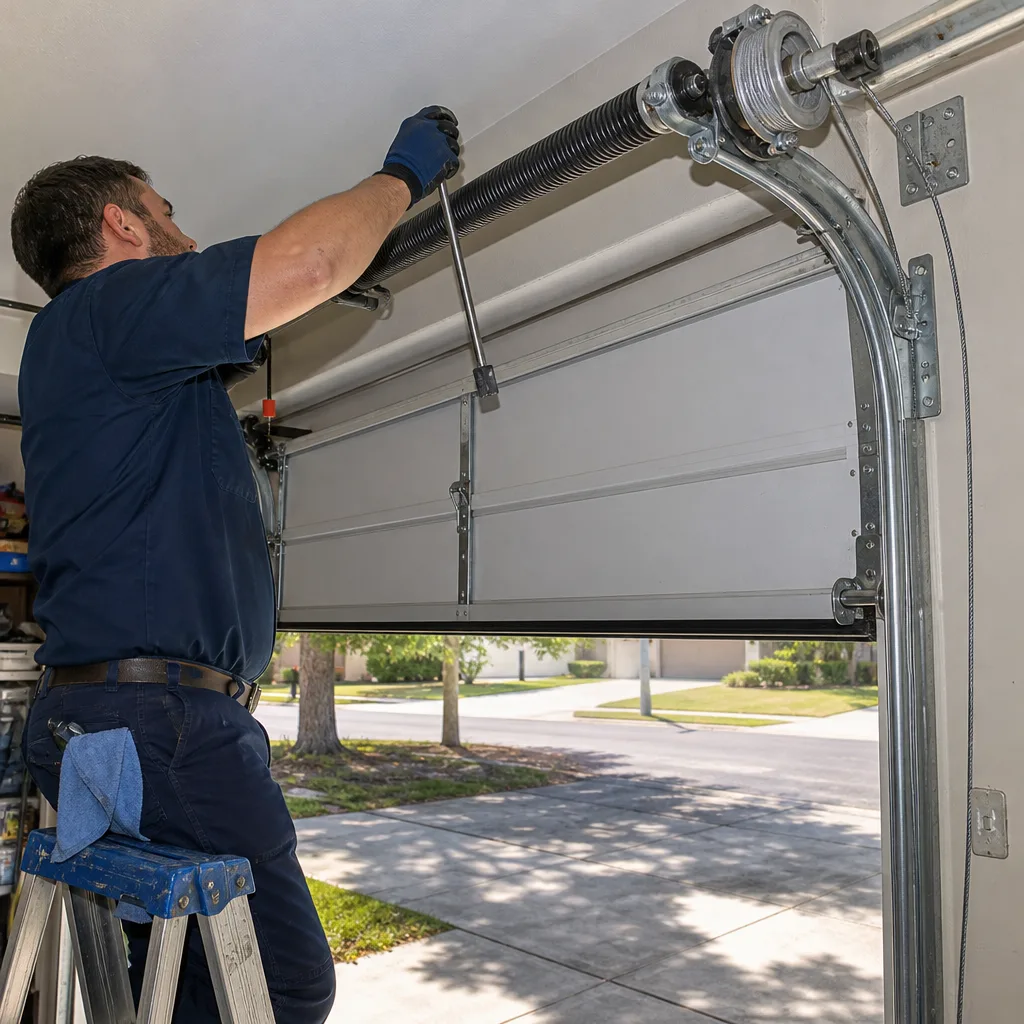
The most common emergency call we get in Kissimmee involves torsion springs. These springs counterbalance the entire weight of the door and are under constant tension. When one breaks, the sound is often described as a gunshot or a car backfiring. A door with a broken spring will not lift – or if it’s already up, it may come down hard and without control. This is a genuinely dangerous component. We want to be clear: torsion spring replacement involves high-tension hardware that can cause serious injury. We recommend leaving spring replacement to a trained professional with the right winding bars and the right experience. What a homeowner can do is understand the situation, secure the door, and make the right call about timing.
Beyond springs, Kissimmee door panels take a beating. Hail events aren’t as common here as in the Panhandle, but wind-driven debris from afternoon storms dents and cracks panels more often than homeowners expect. A cracked panel is rarely an emergency on its own, but a cracked panel in a door facing due west with a tropical system approaching becomes a different conversation. The failure mode to watch is the bottom panel. It carries the most water exposure and is the most common point of structural weakness.
For context on the range of repair work typical for this area, our Journeyman Garage Door Repair home page explains the full scope of what a garage-door-only specialist handles versus what a generalist handyman might attempt. The short version: a specialist sees the patterns across hundreds of Kissimmee doors and knows which failures are isolated and which are the first sign of systemic wear.
The 24-Hour Decision Window After a Door Failure
A garage door failure rarely needs an instant decision – but it usually needs a decision within 24 hours. What you do in that first day determines whether the problem stays small or becomes a compounding issue. Here’s the sequence we recommend for any Kissimmee homeowner facing a door that won’t open, won’t close, or is making sounds it’s never made before:
- Assess the immediate risk to your home’s security. Is the door stuck open? If so, your garage and possibly your home are exposed. Your first priority is getting the opening closed or secured. If the door is down and locked, you have breathing room.
- Stop operating the opener. If the door is making grinding, popping, or laboring noises, continuing to run the motor can turn a simple spring replacement into an opener replacement. Disengage the opener using the red emergency release cord and leave it disengaged until a technician arrives.
- Document what happened. Photos of the door positions, the spring area, any visible damage, and the opener unit. Write down the brand of the door and the opener. Clopay, Amarr, and Wayne Dalton are all common in this area, and knowing what you have speeds up the diagnosis.
- Decide: emergency dispatch or next business day? Emergency dispatch means the door is open and can’t be secured, the failure is blocking a vehicle you need, or you’re in a storm-prep window. Next business day means the door is closed, you have another way into the house, and the problem is contained.
- Call a specialist. When you call, ask about what parts the technician carries. In Kissimmee, a door that fails on a Saturday afternoon shouldn’t wait until Monday. For those moments, our Garage Door Repair in Lakeland Highlands page covers nearby service coverage and what to expect from a repair call.
The most important lesson from years of working on Kissimmee doors: don’t let a small problem become a big one by waiting. That popping sound you heard last week isn’t going to fix itself. What a homeowner might not realize is that a door operating on a weakened spring puts extra strain on the opener’s motor and gear train. You can turn a $250 spring replacement into a $600 opener repair by waiting two weeks for the door to fail completely. That’s not fear-mongering – that’s the pattern we see regularly in Osceola County garages.
Manual Operation During a Power Outage
Power outages are a reality in Kissimmee. Hurricanes, tropical storms, and the afternoon lightning that Florida is famous for all knock out power regularly. If you don’t know how to operate your garage door manually, a power outage turns a garage into a locked box. The exact procedure differs depending on whether your door uses a torsion spring system or an extension spring system. Most modern Kissimmee homes have torsion springs – a single horizontal spring mounted on a tube above the center of the door. Older homes, especially those built before 2000, may have extension springs that run along the horizontal tracks on either side. Here’s the operational sequence for each:
Torsion Spring Systems (Most Modern Doors)
- Pull the red emergency release cord hanging from the opener rail. This disengages the motor carriage – you’ll hear a click and the door may drop slightly.
- Grip the door handle or lift bar. Lift straight up with a steady pull. A door with a properly functioning spring system should lift with manageable effort – usually between 10 and 20 pounds of lift resistance.
- Raise the door fully open. It should stay open on its own if the springs are in good condition. If it drifts down, your springs are losing tension.
- To close, pull down on the handle or lift bar. A healthy torsion spring will help control the descent so you don’t have to hold the full weight.
Extension Spring Systems (Older Doors)
- Locate the red emergency release cord. Pull it to detach the opener from the door. Note: the door will feel heavier when disengaged because extension springs provide less counterbalance assistance.
- Lift with both hands and more force. An extension spring door can feel like 40 to 60 pounds of lift resistance. This is normal but if you can’t move it, don’t force it – something may be bound or broken.
- To close, guide the door down gently. Your weight and the door’s momentum will do most of the work. Do not let go and let it drop.
Two things to know about manual operation in Kissimmee’s climate: first, if your door won’t stay open when disengaged, that’s a spring issue and you should call a professional before the situation worsens. Second, the humidity here accelerates spring corrosion, which is why spring inspection should happen annually. A quick visual check for rust, spreading coils, or gaps in the spring is something any homeowner can do. The actual replacement work is not DIY territory – torsion springs under high tension can cause severe injury. We mention this not to scare anyone, but because old extension springs and rusted torsion systems fail more often in this environment, and no one wants to discover that during a named storm.
If your opener itself is the problem – it runs but won’t lift, or the motor hums without moving the door – that’s an opener issue rather than a door issue. Our Garage Door Opener Repair in Lakeland Highlands page explains the difference and what opener repairs actually involve. Many opener problems are fixable; not every call should end in a new unit sale.
Securing Your Door Before a Storm Arrives
Here’s the scenario: you’re in Kissimmee, the news is tracking a storm, and your garage door has a cracked panel. Or a track that’s pulling away from the wall. Or a spring that snapped last week and you haven’t gotten it fixed. You need to secure that opening before the winds arrive. What actually works, and what gives false confidence?
First, let’s be honest about what a garage door is and isn’t against hurricane-force winds. Most residential garage doors in Kissimmee are not rated for impact resistance unless they were specifically installed as hurricane-rated models. Wind loads on a large vertical opening can exceed what a standard door and track assembly can take. A 90 mph gust hitting a 16-by-7-foot door generates enormous pressure. If the door fails, wind enters the garage, and from there it can pressurize the attic and roof. This is the structural failure cascade engineers talk about. The garage door is often the first line of defense, and it’s also the first thing to go.
What Actually Works
- Vertical bracing bars: Horizontal braces installed across the interior of the door, anchored into the wall framing at each end. This is the most effective homeowner-installed reinforcement. Pair with a top bracket tied to the header. This is not a guarantee, but it significantly reduces the chance of the door bowing inward under wind load.
- Disengage the opener and lock the door manually: Once the door is down and the release cord is pulled, the opener can’t cycle accidentally during power surges. Add a slide bolt lock through the track on each side if your door doesn’t have one. Most Kissimmee homes don’t, and this is a cheap fix any hardware store visit can solve.
- Reinforce the track connection points: The track brackets where they screw into the wall or ceiling are the weak point. Adding larger lag bolts or additional brackets can keep the track attached during wind cycling. If the tracks are already loose or pulling, call a professional before the storm. A track that fails under load turns the door into a sail.
What Gives False Confidence
- Leaning a ladder or furniture against the inside of the door: This does nothing. The door isn’t being pushed open from inside pressure; it’s being pulled outward by negative pressure and pushed inward by gusting. Household objects shift, fall, and provide no load resistance.
- Driving a vehicle against the door: Bumper pressure is static and poorly distributed. A 90 mph gust pushes the door inward at the center-span, not at the bottom edge where the bumper touches. You’ll dent the door and damage the vehicle’s bumper, and the door will still bow.
- Tapcon screws through the panel into the floor: This creates holes that compromise the door’s structural integrity and do nothing to resist wind uplift or inward flex. You’ll need a new bottom panel after the storm, which is an unnecessary repair bill.
The honest truth: if you have a failing door and a serious storm approaching, the best move is a same-day repair from a professional who stocks parts and knows the door. An unreinforced, damaged door is a liability in high wind. If you’re planning ahead, investing in door reinforcement now – before the season peaks – is one of the smartest preventative moves you can make for your Kissimmee home. Check our guide to Garage Door Permits, Codes & Inspections in FL: What You Need to Know before starting any major upgrade.
For homeowners considering a full replacement with a door built for Central Florida’s wind environment, our Garage Door Installation in Lakeland Highlands page covers the installation process and what features to look for. A well-installed, properly reinforced door is a meaningful upgrade over a 20-year-old unit that was never engineered for our wind loads.
What to Document for Insurance
When a garage door fails and causes damage – whether to vehicles inside, items stored in the garage, or the door itself – the insurance adjuster will ask for specific things. Most Kissimmee homeowners don’t capture these details in the moment. Here’s what we tell every customer to document after any door failure, whether it’s storm-related or not:
- The door’s brand, model name, and approximate age. Look for the manufacturer’s label on the inside of the door or on the end stile. Clopay, Amarr, and Wayne Dalton each put labels in different spots, but they’re always on the interior surface. The age matters because it establishes depreciated value versus replacement cost.
- The opener’s brand and model. The unit usually has a label on the underside or the side of the motor housing. This matters because if the opener was damaged by a door failure – for instance, the door came down and stressed the drive – the adjuster needs to know whether it was the original unit or a newer replacement.
- Photos of the failure point before anything is moved or repaired. Take wide shots of the full door, then close-ups of the broken spring, bent track, split panel, or whatever failed. Include the area around the door to show the context of the damage.
- Measurements of the damaged components. A broken torsion spring has a specific length, inside diameter, and wire size. A technician can determine these measurements on site. Your adjuster won’t usually ask for these numbers, but your repair provider will, and having them documented speeds up the claim if the spring was the point of a larger failure.
- Vehicle or property damage documentation. If the door failed while a car was in the doorway, or a falling track scratched a vehicle, photograph that damage separately. Keep a written timeline of when the failure happened, when you contacted a repair provider, and what was said.
- The repair invoice with parts broken out. Don’t accept an invoice that just says “garage door repaired – $450.” Insist on line items: the spring, the labor, any brackets, any track repair. Insurers process claims faster when the invoice matches the damage documentation.
A note on the Kissimmee insurance market: carriers in Florida have become stricter about roof, window, and door claims in recent years. The more thorough your documentation, the smoother the claim process. We’ve had customers surprised that their door failure claim was denied because they couldn’t prove the damage wasn’t pre-existing. Photos taken on the day of the failure, against the claim being processed three weeks later, is the strongest evidence you can provide.
Questions to Ask Any Technician
When you reach the point of calling someone for an emergency or urgent garage door repair in Kissimmee, the quality of the conversation can tell you a lot about the quality of the work. Here are the questions that matter, and what the answers should sound like:
1. Do you stock torsion spring stock for my door size?
This matters more than most homeowners realize. Torsion springs are sized to the specific weight, height, and configuration of each door. A technician who carries a reasonable inventory of spring stock can finish the job in one visit. A technician who has to order the spring means at least a two-day turnaround. Our Garage Door Repair in Lakeland Highlands page explains that we carry spring and cable stock to complete most repairs same-visit – and why that matters for getting a Kissimmee door operational quickly.
2. Will the price change once you see it?
A professional will ask about the door’s symptoms, brand, age, and can often quote a range before arriving. The number shouldn’t jump dramatically once the technician is on site unless new damage is discovered. You should expect the price to be quoted and agreed before any work starts. If someone won’t commit to a written price, keep looking. No reputable garage door company in Osceola County operates on surprise pricing.
3. Do you repair openers or only replace them?
This question reveals more about a company than almost any other. Some outfits use opener calls as a sales funnel for new unit pushes. A skilled technician can diagnose and repair gear failures, capacitor issues, limit switch problems, and safety sensor faults. We see many openers that are salvageable with the right part and the right knowledge. A technician trained on LiftMaster, Chamberlain, Genie, and the other major brands can tell you honestly whether a repair makes more financial sense than a replacement given the unit’s age. If the answer is always “replace it,” that’s a sales tactic, not a diagnosis.
4. Are you doing garage doors exclusively, or other trades too?
It’s a fair question. Garage door repair in Kissimmee is not a side job. Torsion springs, cables, tracks, and modern opener systems with their safety interlocks and force settings are specific enough that a generalist handyman who fixes a faucet on Monday and a door on Tuesday may not have the depth of experience to diagnose complex failure modes. We work only on garage doors. Every call we run is a garage door call. That focus is what the Journeyman name signals – a tradesperson who has moved beyond apprenticeship and does one craft well.
5. Can you walk me through what you found?
A good technician will show you the broken part, explain why it failed, and help you understand whether this is an isolated incident or part of a pattern of wear. If someone rushes you through and pushes a signature before you understand what’s happening, that’s a red flag. The right technician wants you to understand because that’s what keeps your door working and brings you back next time. And next time you should expect repair-first thinking – if it’s fixable, it should be fixed, not replaced to hit a sales number.
Building a Kissimmee Garage Door Emergency Kit
Most disaster preparedness checklists never mention the garage door. Given that the garage door is the entry point for a significant portion of Kissimmee homes – and often the single largest unratified opening in the structure – that’s a serious omission. Here’s a simple kit to assemble now. Everything on this list is available at any big-box hardware store in Kissimmee, and none of it requires specialty tools to use:
- A red emergency release cord you can identify in the dark. Some openers come with a cord that blends into the rail. Add a red ribbon or a piece of red tape at the pull end. In a power outage, finding it quickly matters.
- Two slide bolt locks that fit your vertical track. These mount through the track and prevent the door from being forced up from outside. Cheap, simple, and effective. If you don’t know what size, measure the track width before you shop.
- A headlamp or battery-powered light stored near the garage entry door. Power outages never happen on a sunny afternoon. Trying to operate a manual door release by phone flashlight while balancing on a step stool is a recipe for a bad fall.
- Documentation folder with the door and opener brand, model, and spring dimensions. If a spring breaks and you need a replacement, the technician needs the wire gauge, inside diameter, and length of the current spring. Having this written down in the garage saves a lot of time and guesswork.
- A basic set of deep sockets and a ratchet, not just the adjustable wrench in the kitchen drawer. Some track brackets and hinge bolts need a deep well to reach the bolt head. You don’t need a mechanic’s full set, but two or three common deep sockets in the 3/8-inch and 1/2-inch sizes cover most garage door hardware.
- A written list of one or two garage door specialists you trust enough to call at night. The time to find a good garage door company in Kissimmee is not during a storm or at 10 p.m. on a Sunday. Call one now for an inspection. Know your door is in the condition you think it is. Having a name and number already saved means you’re making a calm call instead of a desperate Google search in the middle of an emergency.
The kit is not about doing your own repairs. The kit is about being able to secure your home, document what’s wrong, and get the right professional on the phone without scrambling. The first 24 hours after a failure are the most important, and being prepared turns a crisis into a manageable problem. For more guides & resources on keeping your door reliable year-round, visit our blog.
Common Mistakes to Avoid
- Using the opener after a spring breaks. Every cycle with a broken spring puts more load on the opener’s motor and gear train, converting a one-part repair into a two-part repair. Pull the release cord as soon as you know the spring has failed and leave the opener disengaged.
- Forcing a door that won’t move. If the door is stuck and you’re pulling hard on the lift handle, something is bound – a cable off the drum, a roller broken in the track, or the door is off balance. Forcing it bends tracks and strips hinges. Stop and call for help.
- Ignoring peeling paper or rust on the springs. Rust is surface-level at first but becomes the initiation point for fracture. A spring with heavy rust or a developing gap between coils is a clock ticking. In Kissimmee’s humidity, this is a year-round concern.
- Relying on a padlock through the track hole as a primary securing method. A padlock through the track only works if the track hole lines up perfectly with a mating hole on the door – most residential setups don’t have this. Worse, if the door is operated with the lock still in place, you’ll destroy the track.
- Waiting until a storm is in the forecast to think about door reinforcement. Most of the storm-securing products homeowners want before a hurricane – bracing kits, reinforced hinges, track upgrades – take time to install properly. Doing it under 24-hour storm pressure with the power already out is a different experience. Plan ahead.
- Calling a generalist handyman for a torsion spring. Torsion spring work requires specific tools, specific training, and specific awareness of how the spring unwinds. This is the single most injury-prone repair in residential construction. Hire a specialist whose daily work is garage doors.
See the difference
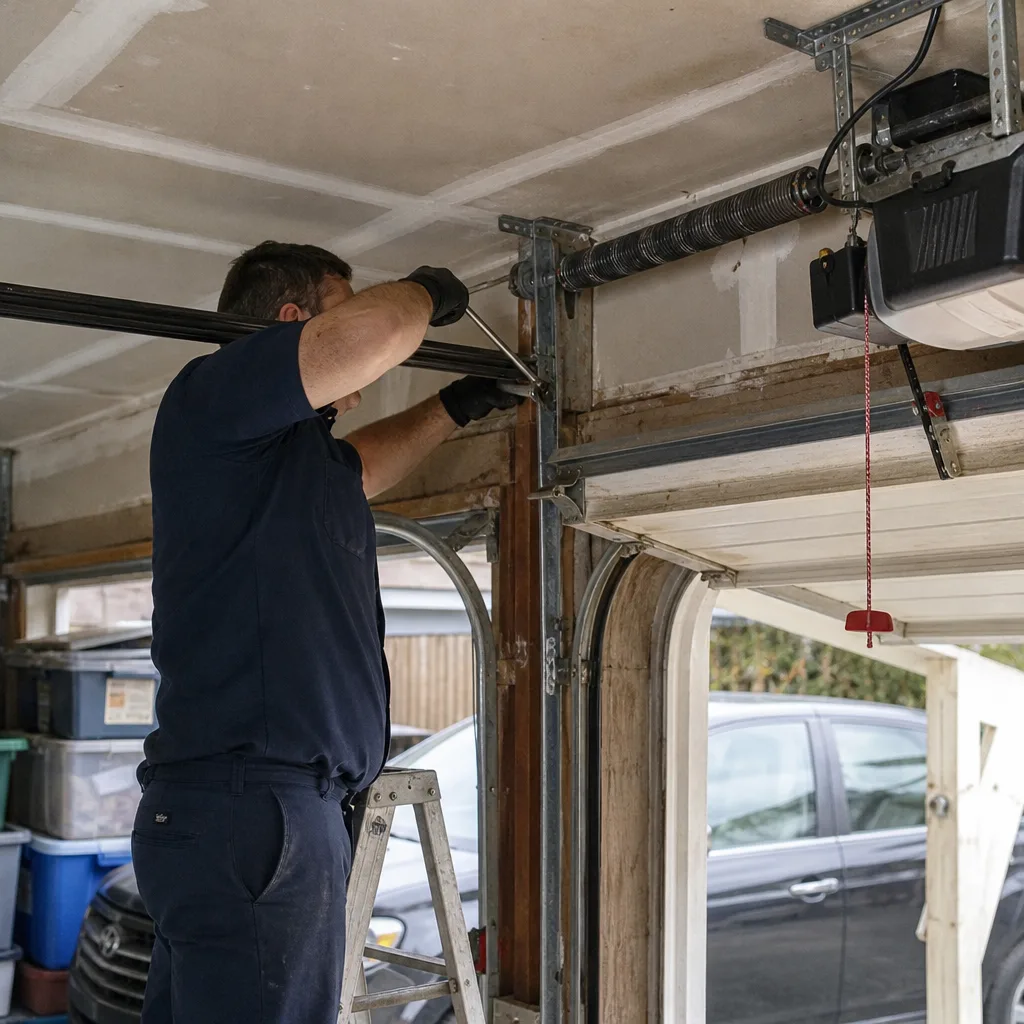 Before
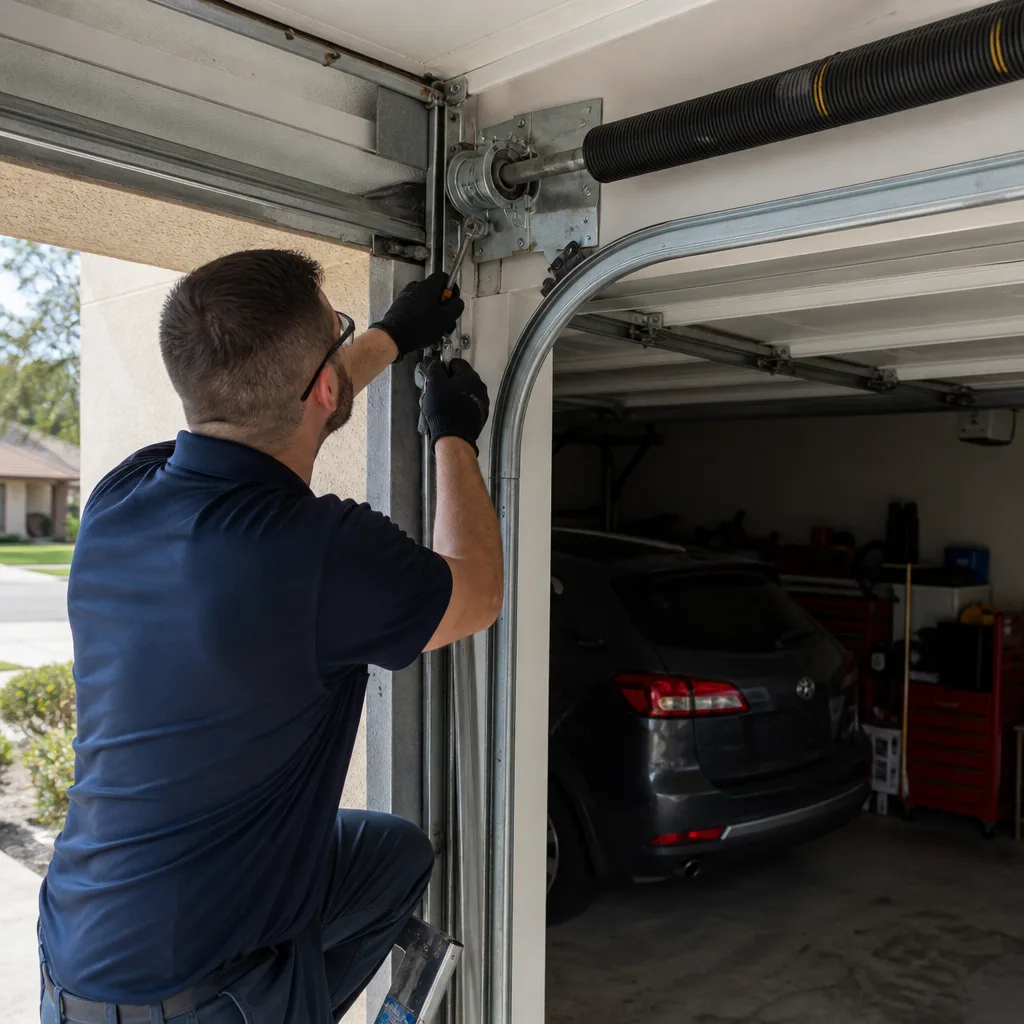 After
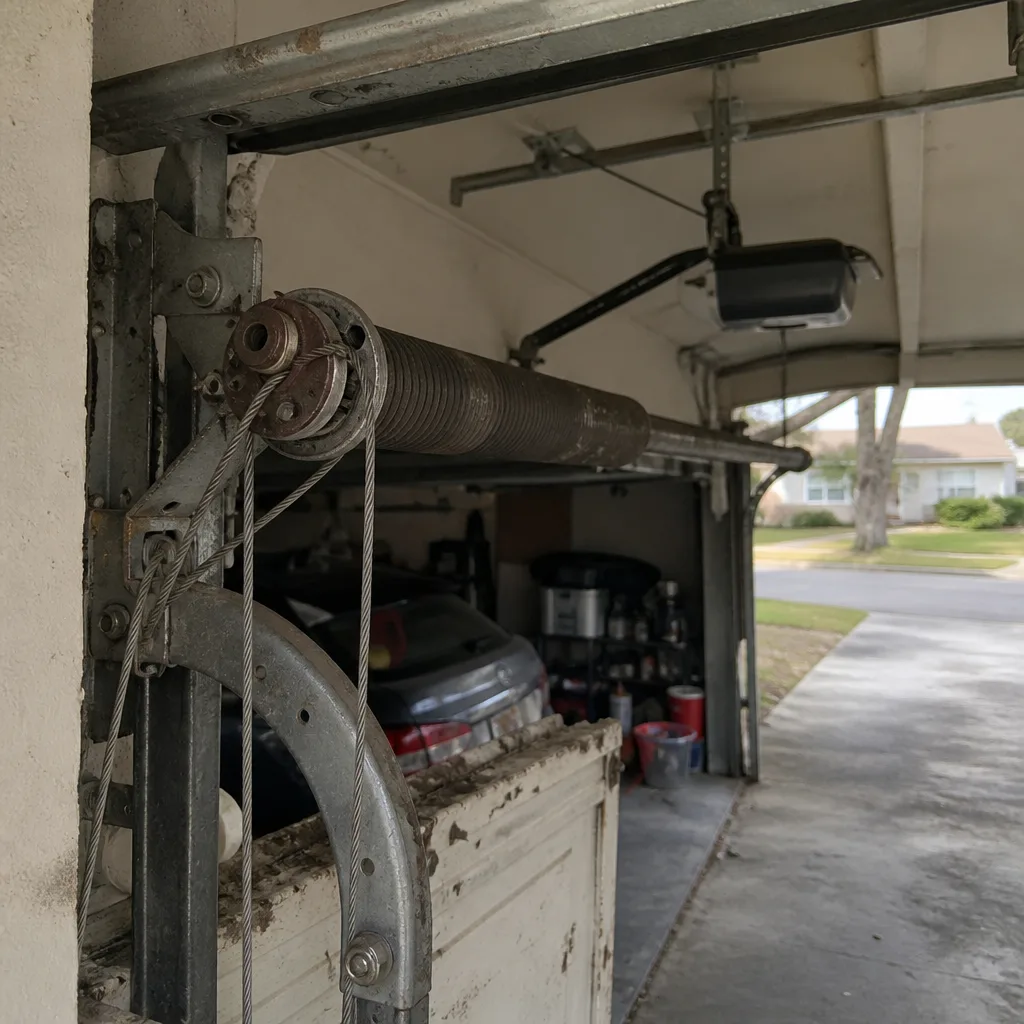 Before
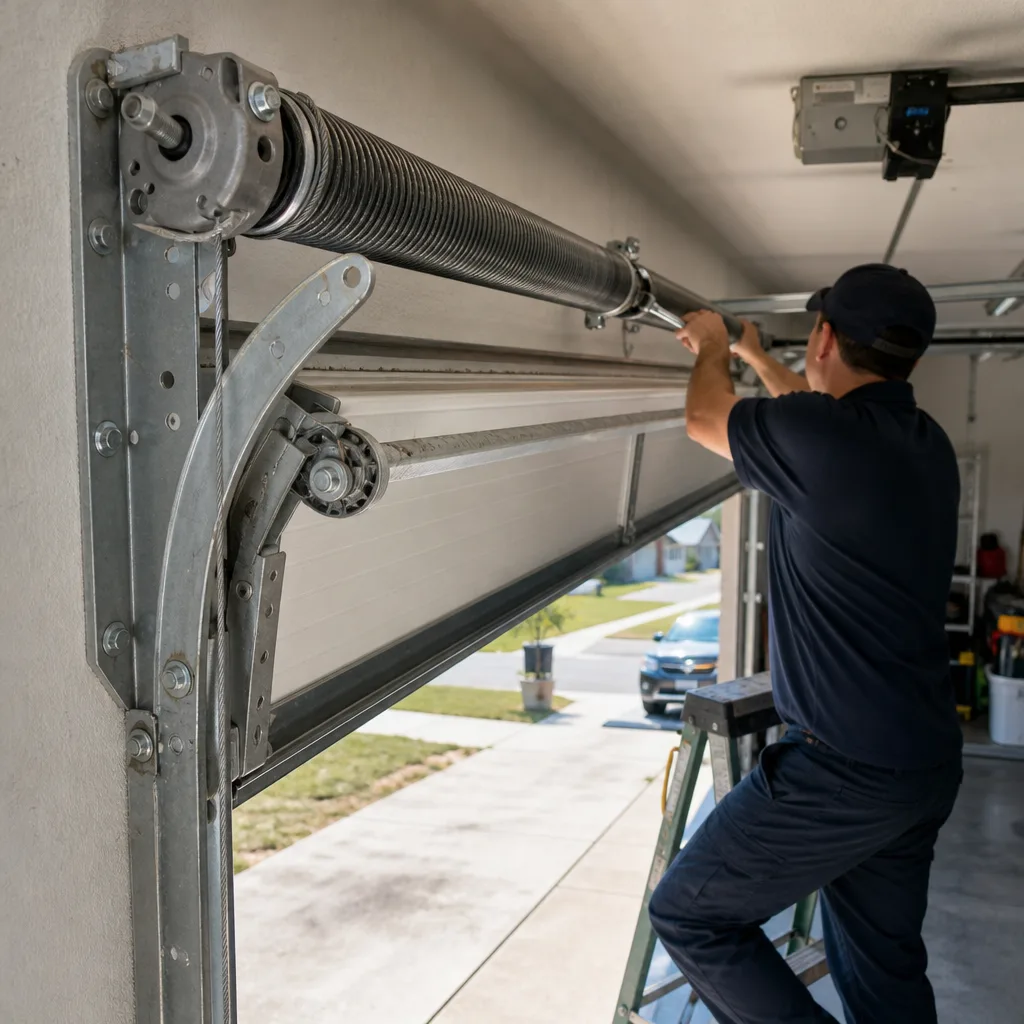 After
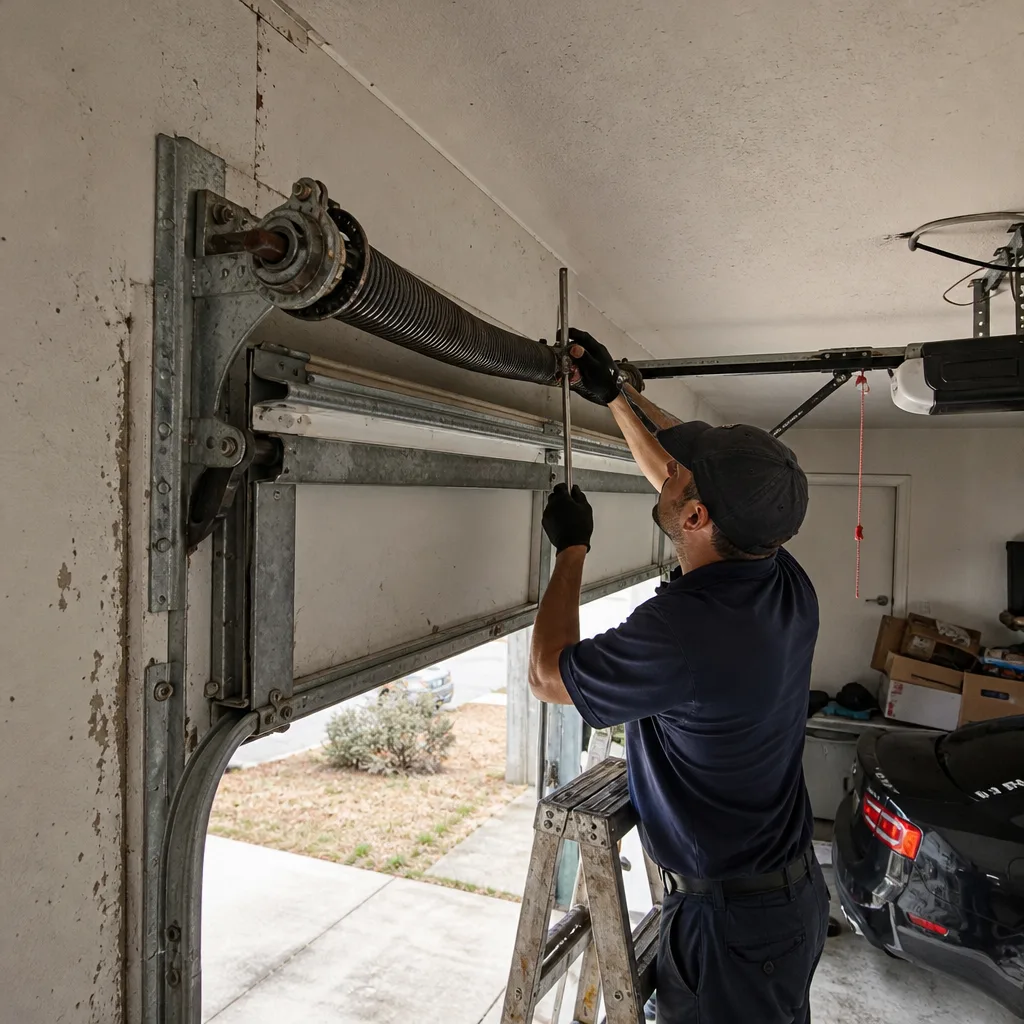 Before
 After
When to Call a Professional
Any time a torsion or extension spring has broken, a cable has snapped, a track has pulled away from the wall, or the door has slipped off its rollers, that’s a professional job. These components are under high tension and improper handling can lead to severe injury. Beyond those emergency cases, call a professional when your door is making a grinding noise from the opener, when the door is visibly sagging or out of level, or when you’ve tried manual operation and the door won’t stay up. A door that drifts closed on its own is a spring problem waiting to fail completely. Journeyman Garage Door Repair offers free estimates in Kissimmee – call (833) 589-8916 for an honest assessment of whether your door needs immediate attention or can wait.
Frequently Asked Questions
Pull the red emergency release cord hanging from the opener rail to disengage the motor, then lift the door by its handle or lift bar. A properly functioning door can be lifted with 10 to 20 pounds of force on a torsion spring system and 40 to 60 pounds on an older extension spring system. If you can’t lift it or the door drifts down once raised, call a professional – the springs are failing and the door is becoming a hazard.
In most Kissimmee cases, yes. A specialist who carries torsion spring stock for multiple door sizes and brands can typically complete a spring replacement in one visit. Call (833) 589-8916 to describe your door and spring configuration, and we’ll give you an honest same-visit availability assessment and a firm quote before any work begins.
A failure is an emergency when the door is stuck open and can’t be secured, when it’s blocking a vehicle you need, when the failure exposes the home to weather, or when you have a storm approaching and the door is compromised. A broken spring on a door that’s closed and locked is urgent but not necessarily same-day critical. When in doubt, call and describe the situation – a good company will level with you about urgency rather than pushing an unnecessary dispatch fee.
Emergency service in Kissimmee typically runs higher than routine calls, with pricing influenced by time of day, part availability, and the specific failure. You should expect a clear quote before any work starts, with no surprise add-ons once the technician arrives. For a specific price on your door and situation, call (833) 589-8916 for a free estimate.
Most Florida policies cover storm-related garage door damage under the dwelling coverage, though deductibles and depreciation schedules vary by carrier. Document the damage immediately – photos, the door’s brand and age, and the specific failure point – and get a written repair estimate before contacting your adjuster. The more documentation you have on the day of the failure, the smoother the claim.
Yes. Kissimmee’s wind risk from tropical systems makes door reinforcement one of the highest-value upgrades for a home’s structural integrity. Vertical bracing bars anchored into wall framing, upgraded track brackets, and a working slide bolt lock are the most effective measures. A professional can assess whether your current door is worth reinforcing or whether a hurricane-rated replacement makes more sense for your situation.
The Bottom Line
A garage door emergency in Kissimmee doesn’t have to be a disaster. The difference between a contained problem and a compounding one is knowing what to do in the first 24 hours, how to manually operate your door when the power is out, what methods actually secure your door against wind, and what questions to ask before you let anyone touch your hardware. Document everything, call a specialist rather than a generalist, and don’t operate the opener on a broken door. Journeyman Garage Door Repair works exclusively on garage doors throughout the Kissimmee area – door repair, opener repair, and full installation – with technicians trained across the brands homeowners actually have. Call (833) 589-8916 for a free estimate, and get an honest answer about what your door needs and what it doesn’t.
Written by the team at Journeyman Garage Door Repair, serving Kissimmee since 2011.